Depop Reviews 2026 — Seller Experience, Fees and Payouts
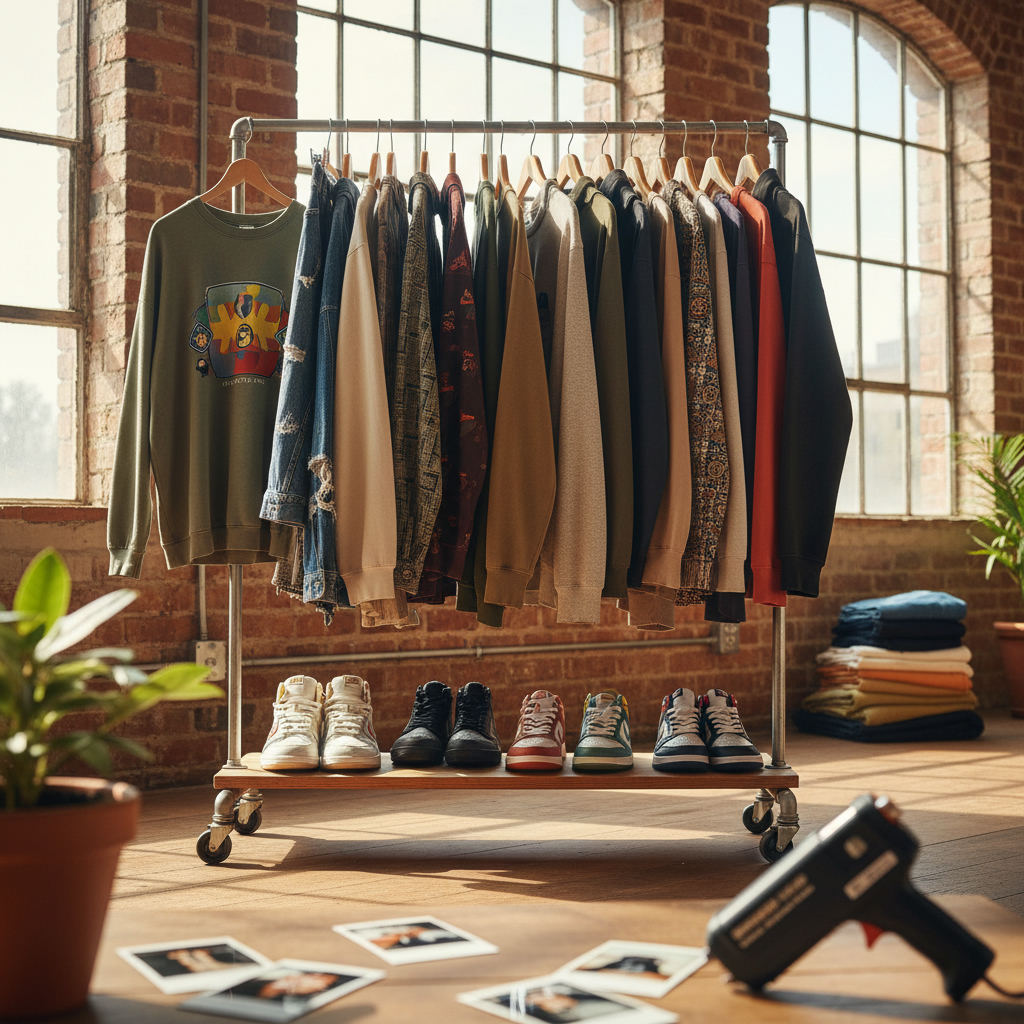
When it comes to Depop reviews, the platform offers a vibrant marketplace primarily for unique fashion, vintage finds, and streetwear, and understanding its nuances is key to a successful reselling journey in 2026. As an expert reseller, I've seen firsthand how platforms evolve, and Depop continues to be a go-to for many, especially those tapping into younger demographics. This guide will walk you through everything you need to know about selling on Depop, from fees and payout times to top selling strategies, ensuring you’re set up for success and making that profit!
Related reading: Coin Price Guide 2026 — Why Printed Guides Miss the Real Number · Best Platform to Sell Electronics in 2026 · Selling on eBay vs Poshmark in 2026 — Which Platform Pays More?
Quick answer: Depop Reviews 2026: A Quick Look at Earnings Potential
So, you're wondering what kind of money you can actually make selling on Depop? It's a great question, and the honest answer is that it varies wildly, just like with any reselling platform! Based on my experience and what I see in the reselling community, a dedicated seller actively sourcing and listing on Depop can realistically expect to earn anywhere from $200 to $800 per month in profit, especially if they're focused on high-demand niches like vintage Y2K, branded streetwear, or unique handmade items. Power sellers with established brands and larger inventories might pull in upwards of $1,500-$2,000+ per month, but that takes serious dedication and consistent effort.
It's not just about the items themselves, but how you present them, your pricing strategy, and how often you engage with the platform. I've had months where a few lucky finds on Depop turned into $500 in profit with minimal effort, and other times where I put in a lot of work for a more modest return. The average selling price on Depop tends to be lower than, say, a high-end designer piece on Poshmark, with many items selling for $25-$75. However, the volume can be higher, and the community aspect can really drive sales for the right items. Think about it, if you're selling a $30 graphic tee that cost you $5, that's a sweet $25 profit (before fees, of course!).
Remember, this is about realistic expectations. Don't expect to list five items and suddenly be rolling in cash. It's a grind, but a fun and rewarding one if you love fashion and connecting with buyers who appreciate unique style. To really dial in your pricing and make sure you're not leaving money on the table, I always recommend checking real sold comps. That’s where tools like FlipAI come in handy. You can actually take a photo of an item you're thinking of selling, and FlipAI instantly pulls up what similar items have *actually sold for* across various platforms. No more guessing!
Why Your Depop Earnings Can Vary So Much
You might be thinking, "Why such a big range in earnings?" Great question! Several factors significantly impact how much you can make on Depop. It's not a one-size-fits-all platform, and understanding these variables is crucial for maximizing your profit.
1. The Item's Condition and Desirability
This is probably the biggest factor. A vintage band tee from the 80s in pristine condition will obviously fetch a much higher price than a stained, pilled sweater from a fast-fashion brand. Depop buyers are often looking for unique, trending, or quality vintage pieces. If your item is rare, highly sought-after (think limited edition streetwear drops or designer vintage), and in excellent shape, your potential profit skyrockets. I once found a perfectly preserved 90s denim jacket for $10 at a thrift store and flipped it for $120 on Depop! The condition was key – no rips, no fading, just that perfect vintage vibe.
2. Rarity and Authenticity
Is your item a one-of-a-kind gem? Or is it something easily found at any mall? Rarity drives demand, and demand drives price. If you have a true vintage piece, a hard-to-find size in a popular brand, or an item from a limited collection, you can command a premium. Authenticity is also paramount, especially for branded items. Buyers on Depop are savvy, and they want to ensure they're getting the real deal. Always be transparent and provide clear photos of tags and any authenticity markers.
3. Effective Pricing Strategy
Pricing too high means your item sits forever; pricing too low means you're leaving money on the table. It's a delicate balance! I constantly adjust my prices based on market trends, how quickly similar items are selling, and how long my own listings have been active. This is where researching sold prices is non-negotiable. Don't just look at what others are *asking* for a similar item – look at what they *actually sold it for*. This is the golden rule of reselling! For more in-depth pricing strategies, check out our reseller guide.
4. Your Shop's Aesthetic and Engagement
Depop is highly visual and community-driven. A clean, consistent shop aesthetic with high-quality photos (natural light is your best friend!) makes a huge difference. Engaging with other users, following potential buyers, and refreshing your listings regularly can significantly boost your visibility and sales. Think of your Depop shop as your personal boutique; presentation matters!
Where to Check Real Sold Prices, Not Just Asking Prices
Alright, let's talk about the single most important habit for any reseller: checking sold prices. If you're only looking at what people *list* items for, you're playing a dangerous game. Anyone can ask $500 for a pair of old sneakers, but did they actually sell for that? Probably not! The real value, the true market price, is always found in what has actually been purchased. This is how you avoid overpricing and underselling.
Top-3 Spots for Checking Sold Comps (My Go-To's):
- eBay Completed Listings: eBay is a treasure trove of historical sales data. It's often the first place I go, especially for items that aren't specific to Depop's niche (like electronics, collectibles, or specific brands). When searching, make sure to filter by 'Sold Items' and 'Completed Listings.' This will show you exactly what an item fetched and when it sold. It gives you a great baseline for almost anything you can imagine selling. I can't stress enough how crucial this is; I've saved myself from guessing countless times by doing this quick check.
- Poshmark Sold Listings: For fashion items, especially women's and men's apparel, accessories, and shoes, Poshmark is fantastic. Like eBay, you can filter your searches to show only sold listings. This is incredibly useful for seeing what similar brands, styles, and conditions have commanded. Poshmark's strong community and fashion focus mean that if an item sells well there, it often indicates good potential for Depop too, assuming it aligns with Depop's aesthetic. Just navigate to the search bar, type in your item, and then select the "Sold Items" filter.
- Mercari Completed Sales: Mercari also offers a valuable look into sold prices, particularly for a wide variety of items from home goods to electronics and fashion. Their sold listing filter is easy to use and provides another data point. I often use Mercari as a cross-reference to ensure my pricing is competitive across different platforms. It's especially good for those mid-range items that might not be 'vintage' enough for Depop's core, but still have value.
And here's a pro tip: When you're out sourcing, you don't have time to manually search all these sites. That's where FlipAI is a total game-changer. I literally just take a photo of an item or scan its barcode, and FlipAI instantly pulls up these real sold prices from all these platforms and more. It cuts down my research time from minutes to seconds, letting me make quick, informed decisions on the go. It’s like having a market research wizard in my pocket!
Best Platforms for Selling Your Depop-Friendly Inventory
Depop is fantastic for certain niches, but it's rarely the *only* platform you should consider. As an expert reseller, I know the power of diversification. Spreading your inventory across multiple platforms isn't just about reaching a wider audience; it's about matching your item with the right buyer and maximizing your profit. Here’s a breakdown of other top contenders where your Depop-friendly items might also shine:
1. Poshmark
Why it's great: Poshmark is a fashion-focused powerhouse. If you're selling women's, men's, or kids' apparel, accessories, or shoes, Poshmark's audience is huge and actively looking to buy. It's especially strong for popular brands, contemporary fashion, and even some vintage. The community aspect is big, with features like 'Posh Parties' and sharing items. Poshmark's fees are 20% on sales $15 and over, and a flat $2.95 for sales under $15. While higher than Depop's 10% fee, the higher average selling price on Poshmark can often offset this.
Ideal for: Branded clothing, designer handbags, popular shoe brands, current fashion trends. I often cross-list my more popular fashion items here from Depop, and they sell equally well, sometimes even faster!
2. Mercari
Why it's great: Mercari is the 'sell almost anything' platform. While it has a strong fashion presence, it also excels for electronics, home goods, collectibles, and more. The buyer base is diverse, and it's generally seen as a platform for quick sales at fair prices. Mercari takes a flat 10% selling fee, similar to Depop, plus a payment processing fee of 2.9% + $0.50.
Ideal for: Unique clothing items that might not fit the 'aesthetic' of Depop, smaller electronics, quirky collectibles, and general household items you might be decluttering. It's a great complementary platform for broadening your reach.
3. eBay
Why it's great: The granddaddy of online marketplaces, eBay has an unparalleled reach. For truly unique vintage, rare collectibles, high-end electronics, or items with very specific niche appeal, eBay's global audience is hard to beat. While it might seem less 'fashion-forward' than Depop or Poshmark, its auction format can sometimes drive up prices for highly desirable items. eBay's fees vary by category but generally hover around 13.25% for most apparel and collectibles, plus a payment processing fee.
Ideal for: Ultra-rare vintage clothing, specific brand collaborations, highly collectible sneakers, and items that might appeal to a broader, more global audience. If an item isn't moving on Depop, it often finds its home on eBay.
4. Etsy
Why it's great: If your Depop inventory includes handmade items, unique vintage (20+ years old), or craft supplies, Etsy is your spiritual home. Its audience specifically seeks out unique, artisanal, and vintage pieces. While not directly competing with Depop for fast fashion, it's perfect for those truly special vintage finds that might get lost in the shuffle elsewhere. Etsy charges a transaction fee of 6.5% on the item price, plus a payment processing fee.
Ideal for: Genuine vintage clothing and accessories (especially from the 50s-90s), handmade jewelry, custom apparel. I've seen some incredible vintage pieces command top dollar here that might have been undervalued on other platforms.
The trick, of course, is managing listings across all these platforms. That's why cross-listing tools are such a lifesaver. Using something like FlipAI’s cross-listing feature means I can create a listing once and push it to multiple platforms like eBay, Poshmark, Mercari, and even Depop, saving me hours every week. Check out how easy it is to manage multiple listings with our crosslisting guide.
How FlipAI Shows Real Sold Prices in Seconds for Informed Depop Selling
Okay, let's get down to how I *really* make smart sourcing and pricing decisions for Depop, or any platform for that matter. It all comes down to knowing the true market value, not just what someone hopes to get. And for me, that's where FlipAI is absolutely indispensable. It's like having a superpower when I'm out thrifting, hitting up estate sales, or even just clearing out my own closet.
Here’s the deal: FlipAI lets you take a photo of any item or scan its barcode to instantly see real sold prices from eBay, Poshmark, Mercari, Amazon, and more. No guessing. No Googling. Just point your camera at anything and know what it is actually worth in about 10 seconds. Seriously, it’s that fast. Before FlipAI, I'd be fumbling with my phone, typing in long descriptions, trying to find comparable items across three different apps. By the time I found what I needed, someone else had already snagged the deal!
With FlipAI, I can be at a flea market, spot a vintage jacket that looks promising, snap a picture, and BAM! I see that similar jackets from that brand and era sold for $75-$120 on Depop and Poshmark in the last 30 days. If the vendor is asking $20, I know instantly that it’s a solid flip. If they're asking $60, I know to pass or negotiate aggressively. This kind of real-time data is essential for making profitable decisions, especially when you're looking for those hidden gems that will appeal to the Depop crowd.
It's not just about what to buy, but also how to price your own items once you have them. When I'm listing on Depop, I use FlipAI's sold comps to set my initial price confidently. I can see what sold recently, what condition those items were in, and even how long they took to sell. This takes all the guesswork out of pricing and helps me get the best return for my time and effort. Plus, their AI vision technology is seriously impressive – it can identify items even without a barcode, which is crucial for vintage and unique pieces that are so popular on Depop. It’s truly one of my favorite reseller tools.
Top Depop Selling Tips to Maximize Your Profits
Alright, you've got your items, you know their value thanks to FlipAI, now how do you actually make them *sell* on Depop? It's not just about listing and hoping. There's an art and a science to it. Here are my top Depop selling tips that will help you stand out and keep those sales rolling in, complete with a dive into Depop payout time:
1. Master Your Photography and Listing Presentation
- Natural Light is Your Best Friend: Seriously, good lighting can make a $20 item look like $50. Use natural daylight whenever possible. Avoid harsh overhead lights that create shadows.
- Model Your Clothes (or use a mannequin): Clothes look infinitely better on a person or mannequin than lying flat on the floor. It helps buyers visualize how the item will fit and look. If you can't model, flat lays can work if done impeccably with good styling.
- Clear, Detailed Photos: Take multiple angles – front, back, details (buttons, embroidery, fabric texture), tags, and any flaws. The more transparent you are, the more trust you build.
- Engaging Descriptions: Don't just list specs! Tell a story. What's the vibe of the item? What could it be styled with? Include measurements, fabric composition, and care instructions. Use relevant keywords that Depop buyers might be searching for (e.g., "Y2K mini skirt," "vintage band tee," "streetwear hoodie").
2. Optimize Your Depop Shop and Engage with the Community
- Curated Aesthetic: Depop is all about aesthetics. Develop a consistent look for your shop photos. Do you prefer a minimalist background? A rustic vibe? Stick to it. This makes your shop feel professional and appealing.
- Follow and Be Followed: Actively engage. Follow potential buyers who like similar items, follow other shops for inspiration, and like items. This increases your visibility within the Depop ecosystem.
- Refresh Your Listings Daily: This is a HUGE tip. Depop's algorithm favors active shops. Go into your listings and hit 'Edit' then 'Save' without making changes. This pushes your items back to the top of search results. Do this a few times a day for your best items.
- Run Sales and Offers: Use Depop's features for discounts or free shipping to entice buyers. A small discount can often be the push someone needs to click 'Buy.'
3. Understand Depop Fees and Depop Payout Time
- Depop Fees: Depop charges a flat 10% selling fee on the total transaction amount (item price + shipping). This is automatically deducted from your PayPal account or saved payment method. On top of that, PayPal (which processes Depop payments) charges its own fee, typically around 2.9% + $0.30 per transaction. Always factor these into your pricing to ensure you're still making a profit. For example, if an item sells for $50 with $5 shipping, Depop takes $5.50 (10% of $55), and PayPal takes approximately $1.90. Your net profit will be $55 - $5.50 - $1.90 = $47.60 before considering your cost of goods.
- Depop Payout Time: Once an item sells, the payment goes directly into your PayPal account. This is usually instant! However, new sellers or those with recent issues might experience a temporary hold by PayPal, which is standard practice for their fraud prevention. Once the item is delivered and the buyer leaves feedback (or after a certain period, usually 21 days if no issues are reported), the funds become fully available in your PayPal account. From PayPal, you can transfer the money to your bank account, which typically takes 1-3 business days. So, while the sale is instant, getting the cash in your bank can take up to a week if there's a hold and bank transfer time.
Depop Reviews 2026: Your Path to Reselling Success
So, there you have it! Navigating Depop in 2026 as a seller is absolutely doable and can be incredibly profitable if you approach it with strategy and smart tools. We’ve covered everything from realistic earning potential and why pricing varies so much, to the crucial importance of checking real sold prices and the best platforms to cross-list your inventory. Remember, good photography, engaging descriptions, active community participation, and understanding Depop fees and payout times are all pieces of the puzzle.
The biggest takeaway? Don't guess. Use the data. Whether you're out scouting for inventory or setting prices for your next listing, knowing the true market value is your secret weapon. That's why I can't recommend FlipAI enough. It streamlines the most time-consuming part of reselling – market research – so you can focus on finding amazing items and building your brand. Imagine never having to second-guess a purchase again because you can instantly verify its selling potential. That's the power FlipAI brings to your reselling game.
Ready to level up your reselling and make smarter, more profitable decisions? Give FlipAI a whirl and see how quickly you can boost your Depop sales and overall reselling success.
Try FlipAI free with 10 lifetime scans — no credit card required.
Frequently Asked Questions
Is Depop still good for selling in 2026?
Yes, Depop remains a strong platform for selling in 2026, especially for unique fashion, vintage clothing, and streetwear. Its vibrant community and focus on aesthetics appeal to a younger demographic. Success depends on niche, photography, consistent engagement, and strategic pricing. Many sellers still find it highly profitable for specific types of inventory.
What are the fees for selling on Depop in 2026?
In 2026, Depop charges a 10% selling fee on the total transaction amount (item price + shipping). This fee is automatically deducted. Additionally, PayPal, which processes Depop payments, charges its own processing fee, typically around 2.9% + $0.30 per transaction. Always factor both these fees into your pricing strategy.
How long does it take to get paid on Depop?
Payments on Depop are processed instantly through PayPal once a sale is made. However, funds might be subject to a temporary hold by PayPal, especially for new sellers or in specific circumstances. Once the item is delivered and there are no issues, funds become fully available, usually within 21 days. Transferring money from PayPal to your bank account typically takes 1-3 business days.
What kind of items sell best on Depop?
Items that sell best on Depop are typically vintage clothing (especially from the Y2K era, 80s, 90s), branded streetwear, unique independent fashion labels, handmade clothing and accessories, and upcycled items. The Depop audience often seeks out pieces with a distinct aesthetic and rarity, rather than mass-produced fast fashion.
How can FlipAI help me sell better on Depop?
FlipAI helps Depop sellers by providing instant access to real sold prices across multiple platforms like eBay, Poshmark, Mercari, and Amazon. You can simply take a photo of an item or scan its barcode, and FlipAI shows you what it's actually worth. This eliminates guesswork in sourcing and pricing, ensuring you buy low and sell high, and price your Depop listings competitively for maximum profit.