ThredUp vs Poshmark in 2026: Which Platform Pays More?
Looking at thredup vs poshmark in 2026? Discover fee differences, consignment trade-offs, and practical steps to research and sell clothes online.
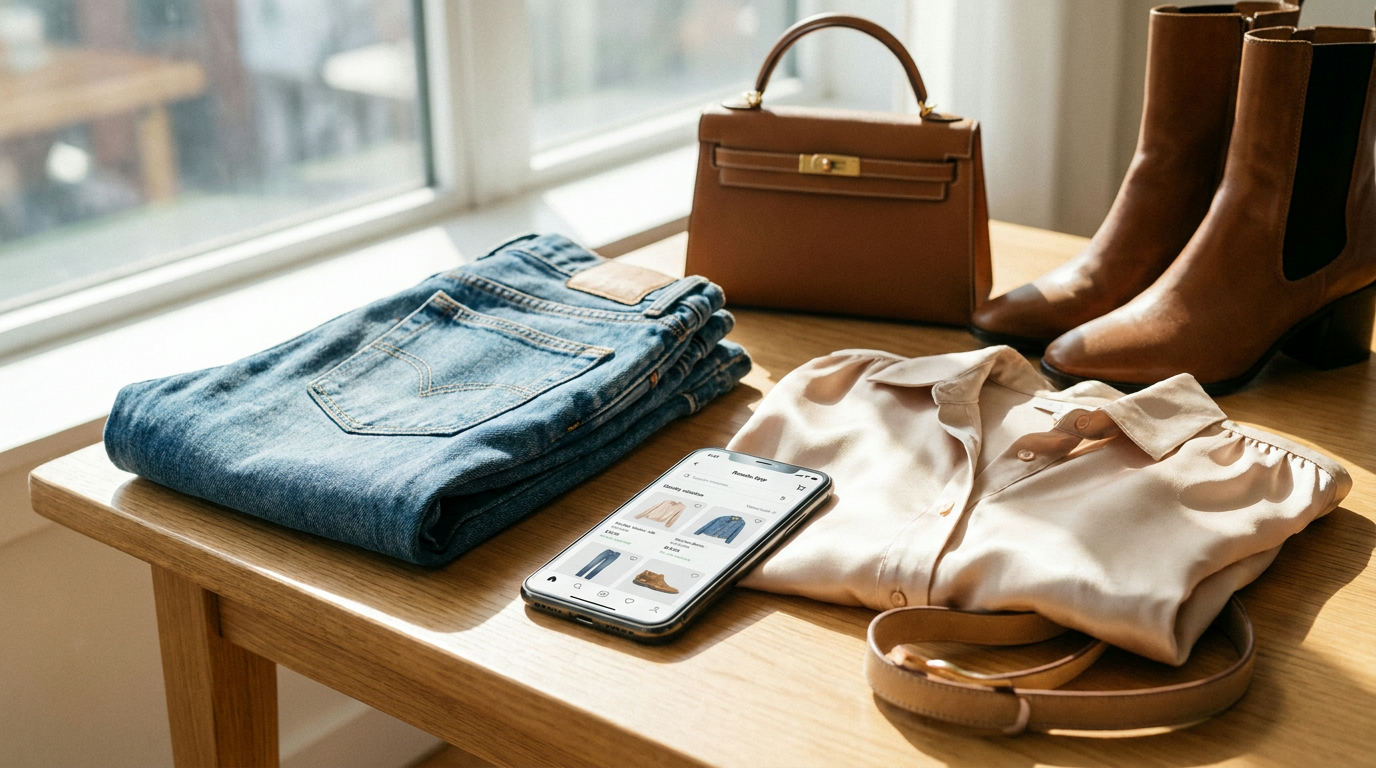
When deciding between thredup vs poshmark in 2026, Poshmark pays significantly more on average because you sell directly to buyers rather than handing over your inventory to a consignment service. While consignment platforms provide convenience by handling photography and storage, self-listing marketplaces reward your effort with much higher returns per item. New sellers exploring an organized reseller guide quickly discover that your choice of sales channel directly affects how much profit remains after fees.
Related reading: Best Reseller Platforms Indiana — 2026 Guide · Coin Price Guide 2026 — Why Printed Guides Miss the Real Number · How to Sell on Poshmark Arizona — 2026 Tips Guide
Quick answer
If your primary goal is maximizing earnings, Poshmark is the clear winner between the two options. On Poshmark, you photograph your garments, set your own listing prices, negotiate offers directly with shoppers, and ship orders when they sell. This direct control means you retain the majority of the proceeds from every completed transaction.
ThredUp operates on a managed consignment model designed around hands-off cleanouts. You order a kit, fill a bag with apparel, and send it in for inspection. ThredUp determines which pieces to list, sets or suggests pricing, stores the merchandise in their warehouses, and deducts processing fees alongside their commission. Because ThredUp covers photography, warehousing, and customer service, the seller payout percentage is substantially smaller than what you earn by managing listings yourself. If you have premium labels or popular secondhand styles and want to recover the highest return, self-listing platforms are preferable. If you simply want clutter removed from your home without taking photographs or writing descriptions, consignment offers an effortless alternative.
Fee comparison
Understanding platform fee structures is essential before sending off boxes or building online listings. Each marketplace deducts specific amounts based on the final transaction amount or order total.
On Poshmark, seller pricing is straightforward. According to the official Poshmark fee policy, as of October 2026, Poshmark charges a 20% seller fee for sales over $15 and $2.95 for sales $15 and under (US). There are no upfront listing fees, subscription requirements, or separate payment processing deductions charged to US sellers. When an item sells, shipping is paid by the buyer through a prepaid label, keeping overhead predictable.
ThredUp does not use a flat commission model. Because ThredUp functions as a consignment provider rather than an open peer-to-peer venue, their payout structure uses sliding commission scales that vary depending on the final selling price of each individual item. Furthermore, bag processing fees, return fees, and listing windows can affect your final earnings. Because consignment terms update periodically, sellers should check their official fee page directly to view the current consignment payout schedule before ordering a cleanout kit.
For additional perspective, mainstream multi-category marketplaces operate under different fee models. According to the official eBay selling fees guide, as of October 2026, eBay charges 13.6% of the total sale up to $7,500, then 2.35% on the portion over $7,500 for most categories (including apparel), alongside a per-order fee of $0.30 for orders of $10.00 or less, or $0.40 for orders over $10.00. Comparing these distinct fee systems helps you decide whether paying 20% on Poshmark or accepting consignment rates aligns with your personal reselling goals.
Best for clothing
When you want to sell clothes online, evaluating the type of wardrobe you have determines which platform delivers the smoothest experience. Poshmark excels for mid-tier, designer, vintage, and trending contemporary fashion. Brands like Lululemon, Free People, Patagonia, Anthropologie, and designer footwear attract active buyers searching directly for specific styles and sizes.
Because you control the listing on Poshmark, you can document exact measurements, fabric composition tags, and any minor flaws or signs of wear. Providing accurate measurements and close-up photos reduces returns and builds trust with shoppers. The social features on Poshmark, such as sharing listings to community parties and sending private discount offers to likers, allow you to actively generate interest rather than waiting passively for an algorithm to surface your garments.
ThredUp, on the other hand, works well for bulk everyday clothing from mall brands like Old Navy, Gap, Loft, and Target that might not justify individual photo shoots. However, a typical thredup payout for low-to-mid-tier mall apparel is often modest. Additionally, items that do not pass ThredUp's intake standards may not be listed at all unless you pay for return assurance. For high-value clothing where you want full control over minimum acceptable offers, Poshmark remains the stronger channel.
Best for electronics
If you are sorting through household items and find consumer electronics, neither ThredUp nor Poshmark should be your primary destination. ThredUp does not accept electronics under any circumstances; cleanout bags containing tech products, chargers, or gadgets will be rejected during their intake inspection.
Poshmark allows a restricted selection of tech products under its Electronics category, focusing primarily on audio equipment, portable chargers, cases, smart home accessories, and wearable devices. However, the buyer base on Poshmark is heavily focused on apparel and lifestyle goods, meaning electronics listings often sit longer without attracting competitive offers.
Dedicated electronic marketplaces like eBay offer broader buyer traffic and appropriate category protections. As of October 2026, eBay charges 13.6% of the total sale up to $7,500, then 2.35% on the portion over $7,500 for most categories, plus a per-order fee of $0.30 for orders of $10.00 or less, or $0.40 for orders over $10.00. Electronics sellers on established marketplaces benefit from standardized product identifiers, model number matching, and robust search filters that tech buyers rely on daily.
Best for collectibles and sports cards
Specialty collectibles require specialized marketplaces with dedicated collector audiences. ThredUp does not process or accept collectibles, vintage toys, memorabilia, or trading cards. Sending those items in a consignment kit will lead to immediate rejection.
For collectors researching trading card values and memorabilia, specialized platforms and established auction venues are essential. On eBay, trading cards and collectibles sit within dedicated fee structures. As of October 2026, eBay charges 13.25% of the total sale up to $7,500, then 2.35% over $7,500 for Sports Trading Cards, Non-Sport Trading Cards, Collectible Card Games, and Comic Books & Memorabilia, alongside a per-order fee of $0.30 for orders of $10.00 or less, or $0.40 for orders over $10.00. Serious collectors trade on venues that support protective card sleeves, professional grading designations, and established condition scales.
Know the value before you list
Accurate price evaluation prevents you from giving away valuable pieces for pennies or pricing items so high that they sit unviewed. FlipAI lets you take a photo of any item or scan its barcode to see live eBay asking prices plus an AI estimate. It is a starting point, not an appraisal or a guaranteed value.
- Open FlipAI and take a photo of any item or scan its barcode directly with your mobile device.
- Examine the matched results, which show live eBay asking prices alongside an AI estimate to help gauge current market competition.
- Inspect manufacturer tags, designer labels, fabric materials, and maker's marks to confirm exact model matches.
- Choose your distribution path based on current market interest and your preferred workload.
Once you determine that an item is worth selling yourself, FlipAI helps streamline your multi-platform distribution. FlipAI posts directly to eBay and Amazon (Etsy and Shopify coming soon). FlipAI prepares copy-ready listings for Facebook Marketplace, Poshmark, Mercari and Vinted; the seller posts those manually. Pinterest is a share feature rather than direct marketplace posting, while Depop and TikTok Shop are coming soon. Building an organized cross-listing workflow allows you to reach motivated shoppers across different shopping channels without typing repetitive product descriptions.
Final verdict
The choice between ThredUp and Poshmark comes down to a clear trade-off: your personal time versus your net profit. Consignment through ThredUp removes the friction of taking photographs, writing titles, storing bins of clothing, and packaging individual sales. However, that convenience comes at the cost of lower payouts, limited control over pricing adjustments, and strict acceptance criteria.
Poshmark requires hands-on involvement for every listing. You must steam or clean items, style photos, draft accurate descriptions, answer buyer questions, and pack shipments promptly. In exchange for that effort, you pay a 20% seller fee for sales over $15 under standard poshmark selling fees (as of October 2026), and you decide exactly what discount offers to accept or decline. Resellers sharing insights on community forums like the Reddit r/Flipping community frequently note that self-listing yields noticeably higher profit margins over time. For desirable labels and quality garments, managing your own listings on Poshmark or multi-listing to additional venues delivers the greatest financial return.
Get started
Starting out as an online clothing seller is straightforward when you take a structured approach. Begin by gathering items from your own closet or sourcing gently used inventory from thrift stores, estate sales, or garage sales. Inspect each piece carefully under bright lighting for loose threads, missing buttons, fabric pilling, or subtle stains along collars and cuffs.
Once your items are prepped, check their identity and current market presence using reliable research tools. Capturing clear photos of RN numbers, brand labels, and care tags ensures you list garments accurately. If an item carries high resale potential, creating dedicated listings on Poshmark or multi-channel marketplaces ensures you capture the full market value.
Frequently Asked Questions
Does ThredUp or Poshmark pay more for secondhand clothes?
Poshmark pays more for secondhand clothes because you sell directly to shoppers. On Poshmark, sellers pay a 20% seller fee for sales over $15 (as of October 2026). ThredUp operates on consignment, taking over warehousing, photography, and fulfillment, which results in substantially lower payout percentages for the original owner.
What are the standard Poshmark selling fees in 2026?
As of October 2026, official Poshmark selling fees for US sellers are a flat $2.95 fee for orders $15 and under, and 20% of the total selling price for sales over $15. There are no insertion charges, listing renewal fees, or separate payment processing costs charged to sellers.
How long does a ThredUp payout take compared to Poshmark?
Poshmark releases funds within three days of delivery once the buyer accepts the order. ThredUp payouts take significantly longer because items must first be received, processed through warehouse intake, photographed, listed, and sold within their designated consignment window before earnings become available for cashout.
Can I prepare listings for Poshmark using FlipAI?
Yes. FlipAI lets you take a photo of any item or scan its barcode to see live eBay asking prices plus an AI estimate. FlipAI then prepares copy-ready listing details for Poshmark, Mercari, Facebook Marketplace, and Vinted, which the seller copies and posts manually to those platforms.
Which brands sell best on Poshmark versus ThredUp?
Poshmark performs best for recognizable mid-to-high-tier labels, athletic apparel, designer accessories, and trending boutique fashion where buyers search for specific styles. ThredUp handles standard mall brands conveniently in bulk, but higher-value contemporary brands yield substantially greater returns when listed individually on Poshmark.