Designer Bag Resale Value in 2026 — Which Brands Actually Hold
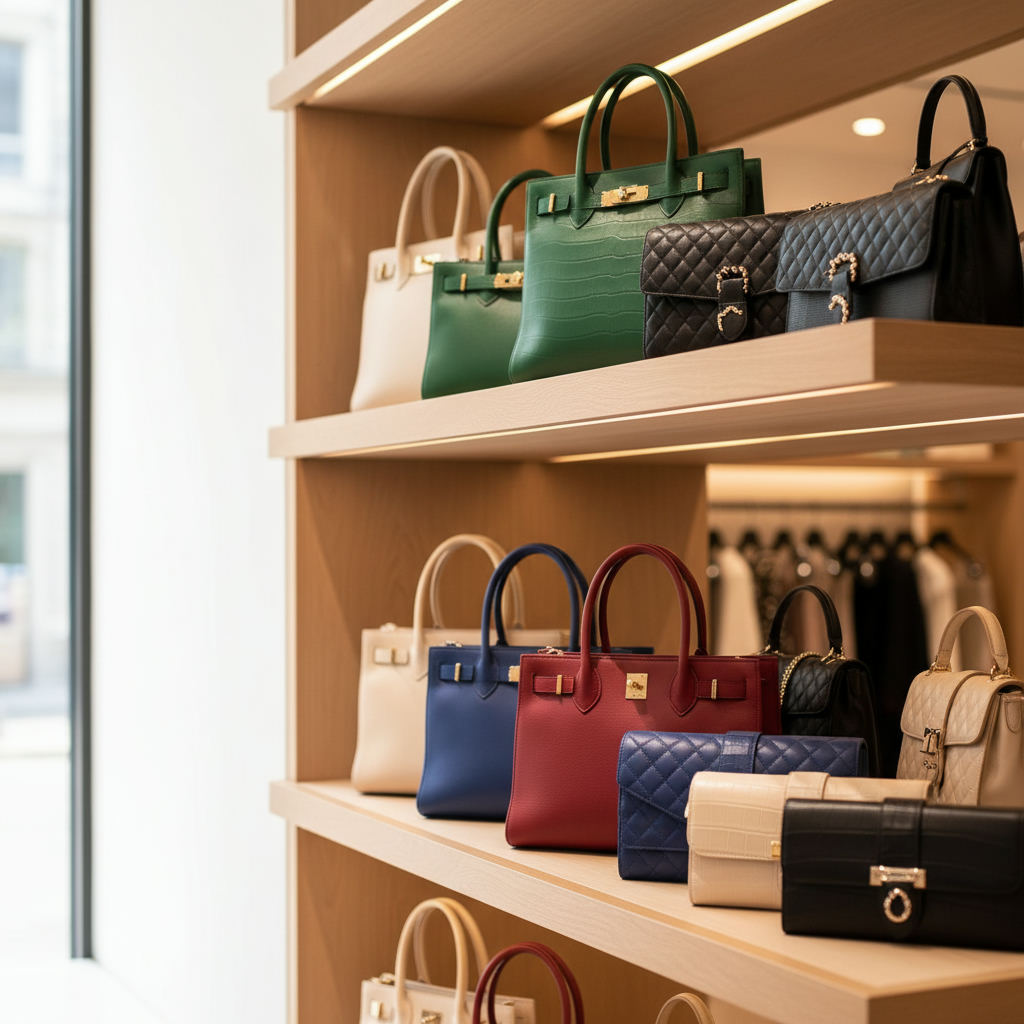
When it comes to the highly sought-after world of luxury fashion, understanding designer bag resale value is absolutely crucial for any savvy flipper or fashion enthusiast in 2026. Just last month, I snagged an authentic vintage Gucci Jackie bag at an estate sale for a steal because the seller just wanted it gone quickly. It looked a bit dusty but was in amazing shape structurally. I knew immediately it had potential, but how much? I pulled out my phone, quickly scanned it with FlipAI, and within seconds, I saw recent sold comps showing it could fetch well over $1,000! That's the power of knowing exactly what you have and what it's worth before you even leave the pick-up spot. This guide will walk you through everything you need to know to accurately price and sell your luxury handbags, ensuring you get top dollar every time.
Related reading: Gaming Console Resale Value in 2026 — PS5, Xbox, Switch and Retro · How Much It Worth? Checking Real Resale Value in 2026 · How Much Is My iPhone Worth in 2026? Real Resale Numbers
Quick Answer: What's the Designer Bag Resale Value?
The designer bag resale value can vary wildly, ranging anywhere from 10% to over 150% of its original retail price, depending on the brand, condition, rarity, and current market demand. For most well-known brands like Louis Vuitton, Chanel, Hermes, and some Gucci models, you can realistically expect to recoup 60% to 100% of the original retail price, especially for classic styles in excellent condition. Limited edition or highly coveted vintage pieces from these brands can even appreciate significantly, sometimes selling for 120% to 150% or more than their initial cost. For instance, a classic Chanel Medium Flap Bag purchased new for $10,200 might easily resell for $8,500 to $12,000. On the other hand, brands like Coach, Michael Kors, or Kate Spade typically see a much steeper depreciation, often selling for only 10% to 30% of their retail price, unless it's a very specific, rare, or vintage piece. Knowing this range helps set realistic expectations for anyone looking to sell designer handbags in 2026. The key is identifying those brands and styles that consistently outperform others in the secondary market. Think iconic silhouettes, durable materials like caviar leather from Chanel, or specific colors that are no longer produced. These are the pieces that become investment opportunities rather than just fashion accessories. Don't forget that demand cycles can shift, so staying current with what's hot is part of the game.
Why Designer Bag Resale Prices Vary So Much
The vast range in designer bag resale value isn't arbitrary; it's influenced by a confluence of critical factors that every reseller needs to understand. I've seen two seemingly similar bags fetch wildly different prices just because of one small detail.
Condition is King (or Queen!)
This is probably the single biggest factor. A bag in pristine, 'like new' condition with all original packaging (dust bag, authenticity cards, box, receipts) will command a much higher price than one with visible wear, scratches, scuffs, or interior stains. Even minor issues like worn corners or tarnished hardware can knock hundreds off the potential selling price. A bag that requires professional cleaning or repair will naturally sell for less to offset those costs for the buyer. Buyers on the secondary market are often looking for a bargain but not necessarily a project!
Rarity and Exclusivity Drive Demand
Limited edition releases, discontinued styles, or bags made from exotic leathers (think crocodile, python) are inherently more difficult to find new, which drives up their value on the resale market. If a particular style is no longer produced but remains highly sought after, its value can skyrocket. Think of the Hermès Birkin or Kelly bags – their scarcity in retail stores translates directly into premium resale prices, often exceeding retail.
Brand Power and Investment Potential
Some brands simply have better resale retention than others. Hermès, Chanel, and Louis Vuitton consistently top the charts for maintaining or even increasing value over time. This is due to their timeless designs, exceptional craftsmanship, brand heritage, and often, strategic supply control. Buyers view these as investments. Other luxury brands might offer beautiful bags, but if they don't have that 'investment piece' reputation, their resale value will typically be lower.
Market Trends and Platform Reach
Fashion is cyclical, and what's popular one year might not be the next. A bag that's currently trending on social media or seen on celebrities will naturally command higher prices. Furthermore, where you choose to sell the bag can impact the final price. Platforms with a global reach and a strong buyer base for luxury goods will generally yield better results than local marketplaces. Understanding these dynamics is part of being a smart flipper, and it's why having access to real-time data is so important. For more comprehensive tips on reselling strategies, check out our ultimate reseller guide.
Where to Check Real Sold Prices, Not Just Asking Prices
This is where many new resellers get tripped up. It's easy to look at active listings on eBay or Poshmark and see bags priced at $3,000, $5,000, or even $10,000. But those are *asking* prices. They don't tell you what someone actually paid. To truly understand the designer bag resale value, you need to look at *sold* listings. Here’s how I do it:
- eBay Completed Listings: eBay is my go-to for checking historical sold data. Navigate to 'Advanced Search' and select 'Sold Listings'. This shows you exactly what items have sold for, including the date of sale. It's a goldmine for understanding market trends and real-world values. You can filter by condition, brand, and even specific model to get a very accurate picture.
- Poshmark 'Sold' Filter: Poshmark also has a 'Sold' filter you can apply after searching for an item. This is fantastic for seeing what actual transactions have occurred within their community. Remember that Poshmark's 20% commission on sales over $15 means that the gross sale price you see includes that fee.
- Mercari Sold Listings: Similar to Poshmark, Mercari allows you to filter search results to show only 'Sold' items. Mercari's fee structure (10% selling fee plus a 2.9% + $0.50 payment processing fee) also needs to be factored in when comparing net profits.
- Specialized Luxury Consignment Sites: Sites like The RealReal, Fashionphile, and Vestiaire Collective publish their sale prices, or at least ranges, for specific items. While you might not get individual transaction data, they provide a strong benchmark for what authenticated luxury items are currently fetching. However, their commission structures are often higher than peer-to-peer platforms, so factor that into your potential profit margins.
- FlipAI is Your Secret Weapon: Honestly, searching each platform manually takes forever. This is where FlipAI saves me so much time. I just take a photo of any item or scan its barcode to instantly see real sold prices from eBay, Poshmark, Mercari, Amazon, and more. No guessing. No Googling. Just point your camera at anything and know what it is actually worth in about 10 seconds. It's like having a superpower to instantly price anything! This speed and accuracy are non-negotiable for staying competitive and making profitable decisions.
Best Platforms to Sell Your Designer Bag
Choosing the right platform to sell your designer handbag can significantly impact your final profit and how quickly your item sells. Each has its pros and cons, and understanding them is key to maximizing your designer bag resale value in 2026. I often cross-list my items to reach the widest audience, which is a great strategy for high-value items.
- eBay: eBay offers the largest audience, reaching millions of potential buyers globally. It's excellent for both popular and more niche luxury items. You have control over pricing (auction or fixed price) and shipping. Fees can vary, but for most items, the final value fee for handbags is around 13.25% (for sales up to $2,500, then a lower percentage on the amount over that). They also offer authentication services for bags over a certain threshold, which builds buyer confidence. The downside can be managing shipping logistics and dealing with returns, though eBay often sides with sellers who follow their rules.
- Poshmark: Poshmark is fantastic for fashion, and it has a very engaged community. It's user-friendly, and shipping is simplified with their flat-rate label. The main drawback is their commission: a flat $2.95 for sales under $15, and a hefty 20% for sales $15 and over. This significantly eats into your profit, so factor it in when setting your price. It's best for popular, well-known designer bags that sell quickly.
- Mercari: Mercari is another strong contender, offering a diverse marketplace. Their fees are generally lower than Poshmark, with a 10% selling fee and a 2.9% + $0.50 payment processing fee. This can make it more attractive for higher-value items where a percentage difference adds up. Mercari also offers authenticated listings, adding buyer trust. Shipping can be managed by the seller or through Mercari's labels, providing flexibility.
- The RealReal / Fashionphile / Vestiaire Collective: These are luxury consignment platforms that authenticate and sell items on your behalf. They handle everything from photography to shipping, which is great for busy sellers or those intimidated by the process. The trade-off is their commission structure, which can be as high as 30-50% depending on the item's value and their specific tier system. However, they attract serious luxury buyers who are willing to pay top dollar for authenticated items, often leading to a higher gross sale price. For those with highly valuable or rare pieces, these platforms are worth considering to ensure an authenticate designer bag sale.
How FlipAI Shows Real Sold Prices in Seconds
Alright, let's talk about how I tackle the market and avoid the dreaded "guessing game" when it comes to designer bag resale value. Time is money in this business, and fumbling through multiple apps to check comps for every item just isn't efficient. This is where FlipAI truly shines and is an indispensable tool in my reselling toolkit.
Imagine this: You're at a thrift store, flea market, or estate sale, and you spot what looks like a promising designer bag. Maybe it's a vintage Fendi baguette or a classic Louis Vuitton Speedy. Instead of pulling out your phone, opening eBay, then Poshmark, then Mercari, and manually searching for the specific model, condition, and trying to filter for *sold* listings... you just open FlipAI.
FlipAI lets you take a photo of any item or scan its barcode to instantly see real sold prices from eBay, Poshmark, Mercari, Amazon, and more. No guessing. No Googling. Just point your camera at anything and know what it is actually worth in about 10 seconds.
It's like having a super-powered price guide in your pocket that updates in real-time. The AI vision quickly analyzes the item in your photo, identifies it (or similar items), and then pulls up a consolidated list of *actual sold prices* across multiple platforms. This isn't theoretical data; it's what real buyers have recently paid. This feature helps me quickly authenticate designer bag models by cross-referencing against verified past sales and ensuring I'm looking at the correct item. This speed allows me to make quick, informed buying decisions, whether I'm sourcing or setting my own prices. Plus, the built-in profit calculator feature lets me instantly estimate my potential earnings after fees, ensuring I always hit my margin targets. It's a game-changer for anyone serious about reselling luxury goods.
Tips to Get the Best Designer Bag Resale Value in 2026
Maximizing your designer bag resale value isn't just about finding the right bag; it's about presenting it perfectly and executing a smart selling strategy. Here are my top tips for getting the absolute most for your luxury pieces this year:
- Thorough Cleaning and Restoration: Before you even think about listing, give your bag a spa treatment. Clean both the interior and exterior carefully. Use appropriate leather cleaners and conditioners for the material. Address any minor scuffs or tarnishing if you're comfortable. A clean, well-maintained bag photographs better and instantly increases perceived value. Avoid harsh chemicals that could damage the material. For significant damage, consider professional restoration – sometimes the cost is worth the increase in selling price.
- High-Quality Photography: This cannot be stressed enough. Invest time in taking clear, well-lit photos from multiple angles. Include close-ups of any logos, date codes, hardware, and any minor flaws. Use natural light. A blurry, poorly lit photo will turn buyers away faster than anything else. Show the bag stuffed so it holds its shape. Include photos of all accessories (dust bag, authenticity card, box, receipt).
- Authenticity is Paramount: For luxury bags, authenticity is the #1 concern for buyers. Be prepared to prove your bag is real. This includes providing clear photos of date codes, serial numbers, heat stamps, and hardware. If you have the original receipt or authenticity card, feature them prominently. Consider using a third-party authentication service (like Entrupy or Real Authentication) before listing; providing an authentication certificate can significantly boost buyer confidence and justify a higher price, leading to a much smoother sale for your authenticate designer bag.
- Compelling Description and Story: Don't just list the brand and model. Tell a story! Describe the bag's features, materials, and condition in detail. Mention its history if it's interesting (e.g., "vintage find from Paris"). Highlight its unique selling points. Be transparent about any flaws, but frame them positively (e.g., "minor patina on hardware, consistent with age"). A well-written description can elevate the perceived value and encourage buyers to connect with the item.
- Strategic Pricing: Use tools like FlipAI to research recent sold comps, not just asking prices. Price competitively based on condition and market demand. If it's a hot item, you might price at the higher end of the range. If you need a quick sale, price a bit lower. Be prepared to negotiate, especially on platforms like Poshmark or Mercari where offers are common. Remember to factor in platform fees when setting your desired net profit.
- Cross-Listing for Maximum Exposure: Don't put all your eggs in one basket! Listing your designer bag on multiple platforms (eBay, Poshmark, Mercari, Depop) simultaneously exposes it to a wider audience. Just be diligent about removing it from other platforms immediately once it sells. Tools that assist with cross-listing can save you a ton of time here. More eyes mean a higher chance of a quick sale at your desired price.
- Excellent Customer Service: Respond quickly and politely to buyer questions. Package your item securely and ship promptly after sale. A positive buying experience can lead to repeat customers and great feedback, which builds your reputation as a trusted seller.
Try It Free: Unlock Real Designer Bag Resale Value with FlipAI
Getting the best designer bag resale value in 2026 hinges on accurate pricing, smart selling, and having the right tools at your fingertips. I've seen firsthand how quickly the market shifts, and relying on outdated information or guesswork is a surefire way to leave money on the table. From identifying those high-value vintage pieces to confidently setting your asking price on the latest trends, using real-time sold data is your biggest advantage.
Remember that incredible Gucci Jackie I mentioned? Without FlipAI, I might have priced it too low, or spent hours digging through forums and old eBay listings. Instead, I had the data in seconds, confirmed its significant value, and made a smart buying decision right there on the spot. That's the difference between a good flip and a great one.
So, whether you're a seasoned reseller or just starting your journey into the lucrative world of luxury resale, equip yourself with the best tool out there. Stop guessing and start knowing. Your profits will thank you.
Try FlipAI free with 10 lifetime scans — no credit card required.
Frequently Asked Questions
Which designer bags hold their value best in 2026?
In 2026, Hermès (Birkin, Kelly), Chanel (Classic Flap, 2.55), and Louis Vuitton (Speedy, Neverfull, Alma) continue to hold their value exceptionally well, often selling for 60-100% or more of retail. Some vintage or limited-edition pieces from these brands, as well as specific styles from Gucci (Jackie, Dionysus) and Dior (Lady Dior, Saddle), also perform strongly due to timeless appeal and brand scarcity. Brands like Céline, Bottega Veneta, and Fendi also show good resale potential for classic or trending styles.
How do I check the authentic designer bag resale value?
To check the true resale value, you need to look at 'sold' listings, not just 'asking' prices. Use platforms like eBay (filter by 'Sold Listings'), Poshmark ('Sold' filter), or Mercari ('Sold' filter) to see what similar items have recently sold for. Specialized luxury consignment sites like The RealReal or Fashionphile also provide benchmark pricing. Tools like FlipAI can instantly aggregate sold prices from multiple platforms by simply taking a photo of the item, giving you an accurate, real-time valuation.
What percentage of retail price can I expect for a used designer bag?
The percentage of retail price you can expect varies greatly. For top-tier brands and classic styles in excellent condition (Hermès, Chanel, Louis Vuitton), you might achieve 70-100% or even above retail for highly sought-after, rare pieces. Mid-tier luxury brands (e.g., Saint Laurent, Chloé, Gucci) typically fetch 40-70% of retail. More accessible designer brands (e.g., Coach, Michael Kors) generally resell for 10-30% of their original price. Condition, rarity, and market demand are critical factors.
How important is authenticity for selling a designer bag?
Authenticity is absolutely paramount when selling a designer bag. Buyers are highly cautious of counterfeits, especially for high-value items. Providing clear photos of date codes, serial numbers, hardware, and any original documentation (receipts, authenticity cards) is crucial. Using a reputable third-party authentication service and including their certificate with your listing can significantly boost buyer confidence, lead to a faster sale, and justify a higher selling price, protecting both you and the buyer.
What's the best way to prepare my designer bag for resale to get the highest price?
To get the highest designer bag resale value, start with a thorough cleaning of both the interior and exterior using appropriate products. Address any minor scuffs or tarnishing. Take high-quality, well-lit photos from all angles, including close-ups of details, logos, and any flaws. Write a detailed, compelling description that highlights features and condition, and be transparent about any imperfections. Include all original accessories like dust bags and authenticity cards. Finally, research recent sold prices with a tool like FlipAI to set a competitive and profitable price.