Home / Blog / Best Place to Sell
Best Platform to Sell Electronics in 2026
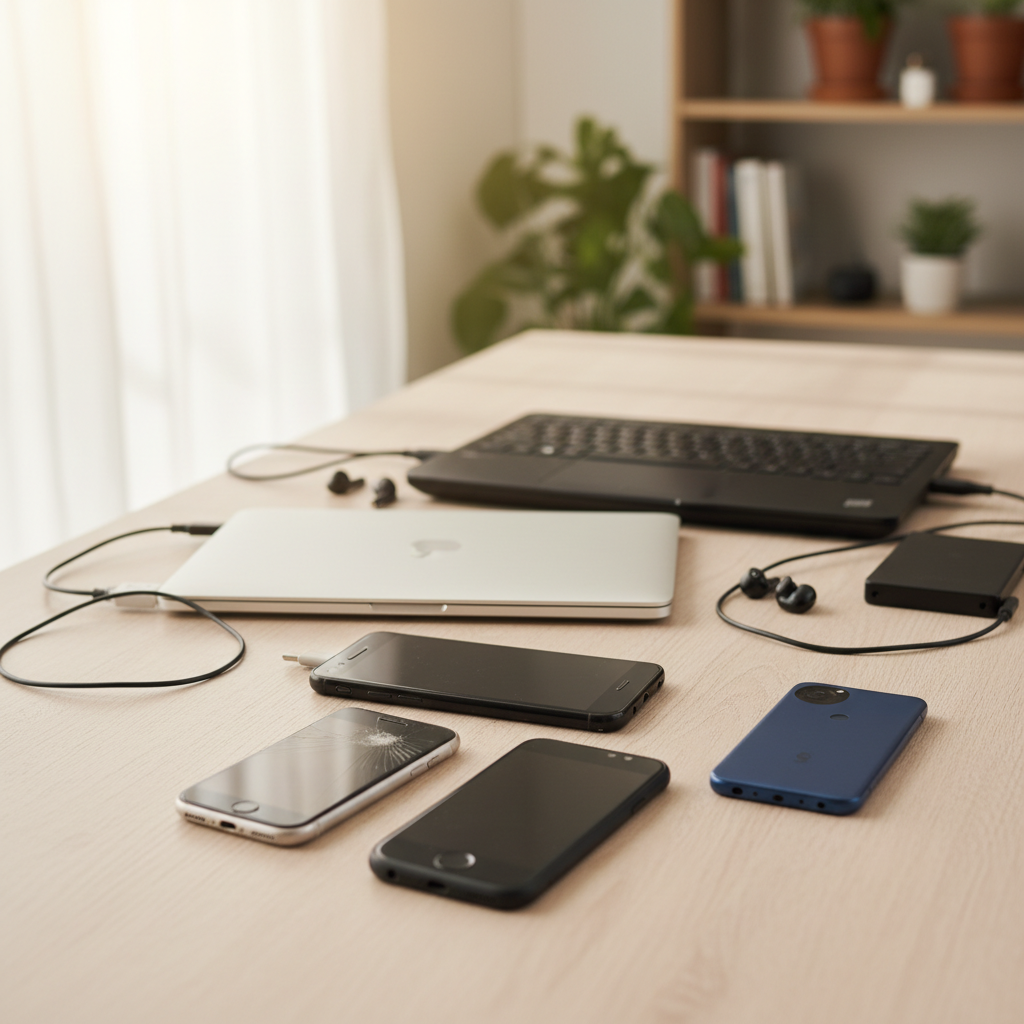
Best Platform to Sell Electronics in 2026
The best platform to sell electronics in 2026 depends on the type of device, its condition, and how quickly you want to sell it, but generally, eBay and specialized electronics marketplaces offer the best balance of reach and profit potential. As a seasoned reseller, I know that getting rid of old gadgets or flipping new ones can be a fantastic way to boost your income. But with so many options out there, how do you choose where to list your prized tech? Don't worry, I've got you covered! In this guide, we'll break down the top contenders, discuss their pros and cons, and arm you with the knowledge to make smart selling decisions. We'll dive into everything from platform fees to audience demographics, ensuring you can confidently sell electronics online and maximize your electronics resale value.
Related reading: Best Place to Sell NHL Hockey Cards in Virginia 2026 Guide · Best Place to Sell NFL Cards in Wisconsin 2026 Guide · Best Place to Sell NBA Cards in Minnesota 2026 Guide
Quick answer — top 3 places to sell electronics
Alright, let's cut straight to the chase because I know you're eager to start making some money! When it comes to the best platform to sell electronics, my top three recommendations are consistently eBay, Swappa, and Amazon (especially for new items or trade-ins). Each has its strengths, depending on what you're selling and your selling style. eBay is the undisputed king for sheer volume and variety, handling everything from vintage game consoles to the latest smartphones, both new and used. You'll find a massive audience eager for deals and rare finds, but you'll also navigate more fees and competition. Swappa is a fantastic niche option specifically for gently used tech – think smartphones, tablets, smartwatches, and laptops. They pride themselves on a safer, more transparent selling experience with lower fees and a dedicated tech-savvy buyer base. For brand-new electronics or if you're looking to offload gently used items with less hassle via trade-in programs, Amazon is a strong contender. They have an immense customer base, and their trade-in program offers immediate gift card credit, though often at a lower value than you might get selling outright. We'll explore these and other options in much more detail, helping you understand where your specific electronic items will fetch the highest price and sell the quickest. Remember, knowing your item's true value is step one, and we'll talk about how FlipAI can help you with pricing in a bit.
Platform-by-platform breakdown for selling electronics
Choosing the right platform is like choosing the right bait for fishing – you need to know where your target audience (the buyers!) hangs out. Each platform has its own fee structure, audience, and selling process. Let's break down the most popular options to help you decide the best platform to sell electronics for your specific needs.
eBay: The go-to for variety and reach
eBay is often my first stop for selling almost any electronic item, from a vintage Walkman to a brand-new iPhone. Why? Because of its sheer reach. Millions of buyers visit eBay daily looking for everything under the sun, including electronics. You can sell anything from components and parts to fully functional, high-end devices. The audience here is vast, covering casual buyers, collectors, and even repair shops. However, this also means competition can be fierce, so clear photos, detailed descriptions, and competitive pricing are key. eBay's fees can vary significantly based on category and how you list. For most electronics, you're looking at a final value fee that includes a percentage of the sale price plus shipping. For example, for consumer electronics, the final value fee is generally 13.25% on the total sale amount up to $7,500, with a reduced rate for amounts above that, plus a $0.30 per order fee. Keep in mind that these fees are subject to change, so always check eBay's current fee schedule. For a smooth transaction, I always recommend offering tracked shipping and considering eBay's seller protection policies. This platform is excellent for maximizing your electronics resale value if you put in the work.
Swappa: Specialized for used tech
If you're selling gently used smartphones, laptops, tablets, smartwatches, or even drones, Swappa is a fantastic, often overlooked option. What makes Swappa stand out is its focus on quality and safety. They have strict listing requirements – no broken items, no blacklisted devices, and all items must be functional. This creates a much more trustworthy marketplace for buyers and sellers alike. The fees are also typically lower than eBay's, which is a huge plus for your profit margins. Swappa charges a flat fee to the buyer (which can sometimes be passed on to the seller depending on the listing type), and it's generally much less than eBay's percentage. For instance, on a $500 phone, you might pay around $15-$25 in Swappa fees, compared to over $60 on eBay. This platform is specifically designed for tech enthusiasts, so buyers are often knowledgeable and serious about their purchases. It's a great choice if you want to avoid the broader auction-style chaos of eBay and prefer a more curated selling experience for your electronic items.
Amazon: Convenience and trade-ins
Amazon is synonymous with online shopping, and while selling used electronics directly to consumers can be done through their third-party marketplace, their trade-in program is often the most appealing option for casual sellers. For brand-new electronics, selling as a third-party seller on Amazon can be profitable if you have access to wholesale pricing, but for individual used items, the fees and complexities can be higher than on eBay or Swappa. Amazon's referral fees for electronics typically range from 8% to 15% of the sale price, plus a variable closing fee. However, their trade-in program is a game-changer for convenience. You can send in eligible devices like phones, tablets, and smartwatches and receive an Amazon gift card in return. It's incredibly easy, involves no listing, and you don't deal with buyers directly. The downside? You'll almost certainly get less than you would by selling it yourself on eBay or Swappa, but the speed and simplicity can make it worth it if you prioritize ease over maximizing every last dollar. You can check eligible items and their estimated trade-in value directly on the Amazon Trade-In website.
Other platforms: Poshmark, Mercari, Facebook Marketplace
While not typically the absolute best platform to sell electronics, these options can still be viable, especially for certain types of items or local sales. Poshmark is excellent for wearable tech like smartwatches or headphones, especially if they have a fashion component, but they take a hefty 20% commission on sales over $15 (under $15, it's a flat $2.95 fee). Mercari is a general marketplace that's super easy to use, with a 10% selling fee plus a processing fee of 2.9% + $0.50. You can sell a variety of electronics there, and it's great for smaller, less expensive gadgets. For local sales, Facebook Marketplace is hard to beat. It's free to list, and you can arrange for local pickup, avoiding shipping costs and fees entirely. This is ideal for larger electronics like TVs, gaming consoles, or desktop computers that are cumbersome to ship. The main challenge with Facebook Marketplace is dealing with no-shows and lowball offers, but if you're patient, it can be very effective.
How to know what your item is worth before you list
This is arguably the most critical step in maximizing your electronics resale value. Guessing prices is a surefire way to either leave money on the table or scare away potential buyers. Before you even think about listing, you need to research what your specific item has recently sold for. This isn't about looking at what people are asking for, but what items have actually sold for. Factors like brand, model number, condition (new, open box, used, for parts), included accessories, and even color can dramatically affect the price. Checking completed listings on eBay is a gold standard for this. Filter your searches to "Sold Items" to see real transaction data. You'll want to look at several recent sales to get an average. If you have the original box, manuals, and all accessories, that can add a significant premium. For items like vintage gaming consoles, whether it's boxed (CIB - complete in box) or loose makes a huge difference. Don't forget to factor in shipping costs and platform fees when calculating your potential profit.
How FlipAI prices anything instantly
Researching sold comps across multiple platforms can be a time-consuming hassle. That's where FlipAI comes in as your ultimate reselling sidekick. Instead of manually sifting through various sites, FlipAI lets you take a photo of any item or scan its barcode to instantly see current eBay asking prices (live listings, not sold prices) plus an AI estimate. No guessing. No Googling. Just point your camera at anything and know what it is actually worth in about 10 seconds. Imagine finding an old camcorder in your garage or spotting a gaming headset at a flea market. With FlipAI's AI vision, you can quickly assess its market value and make an informed decision on whether to buy it and for how much. This feature is particularly powerful when you're dealing with electronics, where model numbers and specific conditions are paramount. It saves you invaluable time and ensures you're always listing your electronics at a competitive yet profitable price, boosting your electronics resale value. With the built-in profit calculator, you can even factor in fees and shipping to see your net earnings before you list.
Pro tips for getting more money for your electronics
So, you've chosen the best platform to sell electronics and you know what your item is worth. Now, let's talk about squeezing every last dollar out of that gadget! As an expert reseller, I've got a few tricks up my sleeve that make a big difference.
- Clean it like new: Seriously, this is huge. A dusty, fingerprinted device looks less valuable. Wipe down surfaces, clean ports, and remove any stickers. For screens, use a microfiber cloth. A clean item looks well-maintained and trustworthy.
- Take amazing photos: Good lighting, clear focus, and multiple angles are non-negotiable. Showcase any included accessories. Highlight both the good condition and any minor flaws transparently. A white or neutral background works wonders. Imagine you're the buyer – what would you want to see? eBay has some great photo tips.
- Write a detailed and honest description: Include brand, model number, color, condition (e.g., "Excellent used condition with minor cosmetic wear"), functionality, and a list of everything included (charger, cables, original box). Disclose any flaws, no matter how small. Honesty builds trust and prevents returns.
- Factory Reset: This is crucial for privacy and security. Always perform a factory reset on phones, tablets, laptops, and smart devices before selling. Remove any personal accounts and data. For phones, make sure iCloud or Google accounts are removed to prevent activation locks.
- Bundle wisely: Sometimes, bundling a less valuable item with a more desirable one can increase overall appeal. For example, selling a game console with a couple of popular games and an extra controller often fetches more than selling them separately. Just make sure the bundle makes sense for the buyer.
-
Consider cross-listing: Don't put all your eggs in one basket! While you might have identified the best platform to sell electronics for your item, listing on 2-3 platforms simultaneously can dramatically increase your chances of a quick sale and potentially a higher price. Just be ready to delist immediately once it sells on one platform to avoid double-selling. FlipAI also offers crosslisting tools that make this process super efficient across multiple marketplaces. For higher-value items, checking out community forums like r/Flipping on Reddit can also provide some valuable peer insights into current market trends.
Get started selling your electronics today
Selling your electronics can be a highly rewarding venture, turning your unused gadgets into cold hard cash. By understanding the nuances of each platform, accurately pricing your items, and following these pro tips, you're well on your way to becoming an electronics reselling pro. Remember, the best platform to sell electronics ultimately depends on your specific item and selling goals. Take the time to research, prepare your items meticulously, and present them in the best light possible. With the right strategy, you'll be maximizing your electronics resale value and clearing out clutter in no time. Ready to see what your electronics are worth and get them listed?
Try FlipAI free with 10 lifetime scans — no credit card required.
Frequently Asked Questions
What is the best platform to sell electronics that are brand new?
For brand new electronics, Amazon is often the best choice due to its massive customer base and trust factor for new items. You can also list on eBay, which has a wide audience for new-in-box items, sometimes even fetching higher prices through auctions. Always ensure your listings clearly state the item's new condition and include original packaging and accessories to attract the right buyers.
Where can I sell broken electronics or electronics for parts?
eBay is typically the best platform for selling broken electronics or items for parts. Many buyers on eBay are repair shops or hobbyists looking for components. Make sure your listing title clearly states 'for parts or repair' and that the description thoroughly outlines all known issues. Transparency is key to avoiding disputes when selling non-functional items.
What are the typical fees when selling electronics online?
Fees vary significantly by platform. eBay generally charges around 13.25% of the total sale price for most electronics categories. Poshmark charges 20% on items sold for $15 or more. Mercari charges a 10% selling fee plus a processing fee of 2.9% + $0.50. Swappa typically has lower, flat buyer fees that are often absorbed by the seller. Always factor these fees into your pricing strategy.
How do I ensure my data is erased before selling a device?
Before selling any electronic device, it is crucial to perform a factory reset. For smartphones and tablets, ensure you remove any linked accounts (like iCloud for Apple devices or Google accounts for Android) before resetting. This step not only protects your personal data but also ensures the next owner can set up the device without activation locks, preventing potential issues and returns.
Is it better to sell electronics locally or ship them?
Selling electronics locally (e.g., on Facebook Marketplace) can save on shipping costs and platform fees, making it ideal for larger, heavier items like TVs or desktop computers. However, shipping via platforms like eBay or Swappa offers a much wider buyer audience, potentially leading to a higher sale price and a quicker sale. For higher-value items, shipping with insurance and tracking is recommended to protect against loss or damage.