Home / Blog / Platform Comparison
Depop or Poshmark for Selling in 2026?
Depop or Poshmark for Selling in 2026?
Deciding between Depop or Poshmark for selling in 2026 can feel like choosing between two very stylish but distinctly different outfits – both have their appeal, but only one is truly perfect for *you* and your inventory. I remember one time, I found this absolutely killer vintage leather jacket at a flea market. It was a size too small for me, but the quality was undeniable. My first thought was, "Poshmark, for sure!" But then I pictured the younger, trendier crowd on Depop, and a lightbulb went off. Knowing your platform is half the battle, and that jacket ended up selling for a fantastic profit on Depop, all because I knew where its target audience hung out. This guide will walk you through everything you need to know to make an informed decision, from fee structures and audience demographics to what sells best on each platform, and how tools like FlipAI can give you a significant edge.
Related reading: Selling on eBay vs Poshmark in 2026 — Which Platform Pays More? · Where to Sell Collectibles Online in 2026 — Complete Platform Guide · Best Reseller Platforms Oklahoma — 2026 Guide
Quick answer
For most fashion resellers, the choice between Depop and Poshmark comes down to your inventory's style and target demographic. If you're selling trendy, vintage, Y2K, or streetwear items, Depop is likely your best bet due to its younger, fashion-forward audience. However, if your inventory leans more towards mainstream, contemporary brands, higher-end fashion, or even home goods, Poshmark's broader, slightly older user base and simplified shipping often make it the superior choice. Ultimately, using both platforms for different types of items can maximize your reach and sales, but understanding their nuances is key to optimizing your efforts.
Fee comparison
Understanding fees is crucial for any reseller looking to maximize their profits, and Depop and Poshmark have distinct structures. On Poshmark, the fee structure is straightforward: for sales under $15, they take a flat fee of $2.95. For sales of $15 or more, Poshmark takes a 20% commission. This means if you sell an item for $50 on Poshmark, their fee would be $10, leaving you with $40. If that item sold for $200, the fee would be $40, and you'd pocket $160. Poshmark also handles the shipping label, which is factored into the buyer's cost, simplifying the process for sellers. You can find more details on their seller guidelines.
Depop, on the other hand, operates with a 10% commission fee on the total transaction amount, including shipping costs. This 10% fee is applied to every sale. Additionally, you'll incur PayPal or Depop Payments transaction fees, which typically range from 2.9% + $0.30 for domestic transactions (this can vary slightly based on your location and transaction type). So, if you sell an item for $50 with $5 shipping on Depop (total $55), the Depop fee would be $5.50. Then, consider the payment processing fee, let's say 2.9% of $55 ($1.60) + $0.30, totaling $1.90. Your total fees would be $7.40, leaving you with $47.60. For a $200 item with $10 shipping (total $210), Depop's fee would be $21, plus payment processing fees of approximately $6.09 + $0.30 ($6.39). Total fees would be about $27.39, leaving you with $182.61. While Depop's percentage seems lower, those additional payment processing fees can add up, especially on lower-priced items. Always calculate your potential profit margins carefully. For more in-depth reselling tips, check out our reseller's guide.
Best for clothing
When it comes to selling clothing, both platforms excel, but for different niches. Poshmark has a vast and active community, making it excellent for a wide range of styles, from contemporary brands like Lululemon, Madewell, and Anthropologie to higher-end designer pieces. It's a fantastic place to sell used clothes that are still in great condition, with a strong emphasis on brands and quality. The platform's 'Posh Parties' and social sharing features encourage engagement and discovery, helping your listings get seen by a broader audience interested in fashion. Sellers often find success with bundles, where buyers purchase multiple items from their closet at a discounted price, increasing average order value. The Poshmark audience tends to be slightly older and more established than Depop's, often looking for specific brands or quality basics.
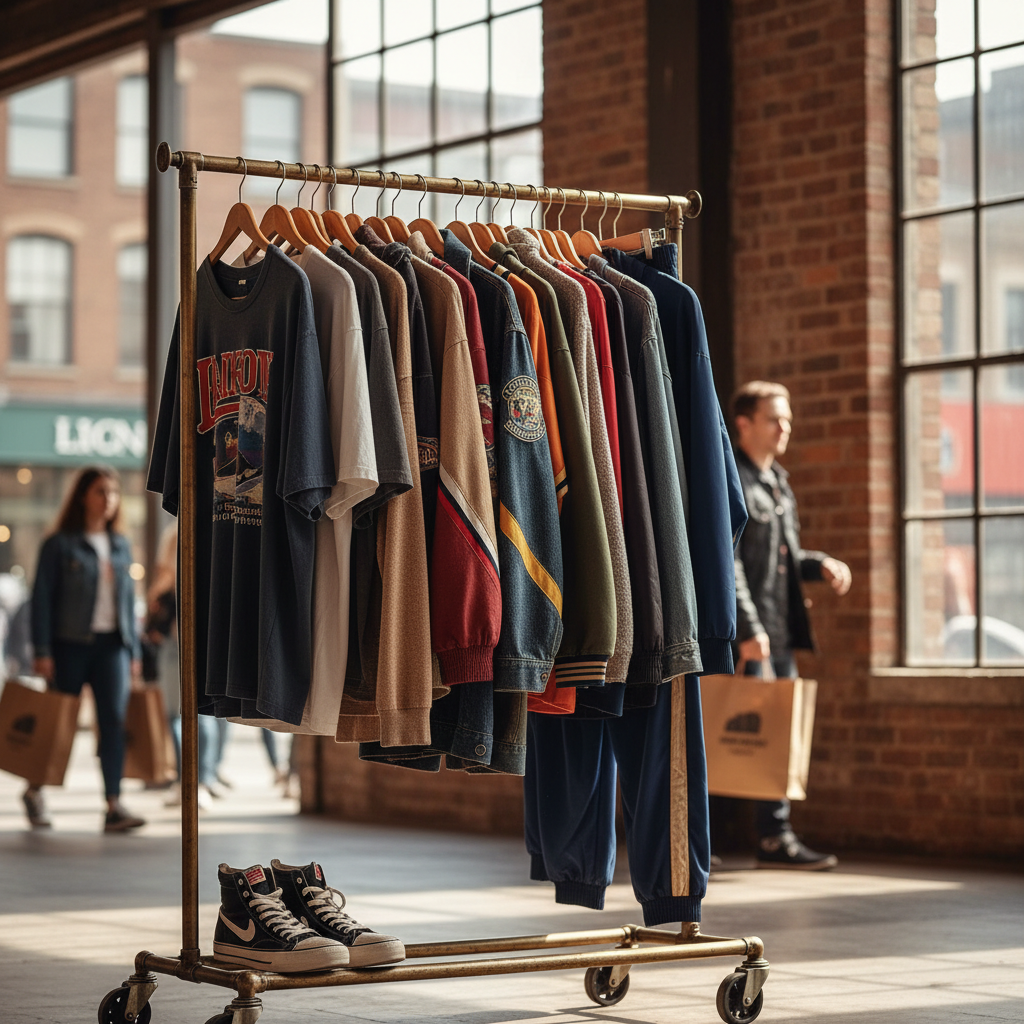
Depop, meanwhile, shines brightest for its younger, more trend-driven demographic. If you're selling vintage finds, Y2K fashion, streetwear, graphic tees, upcycled pieces, or unique independent brands, Depop is your playground. The aesthetic is highly visual and Instagram-like, with many sellers focusing on styled photoshoots to showcase their items. The direct messaging feature allows for more negotiation and interaction between buyers and sellers, which can be a boon for building a loyal customer base, particularly if you have a distinct brand or style. While you can certainly sell popular contemporary brands on Depop, its sweet spot is definitely in unique, niche, and highly stylized fashion items that appeal to Gen Z and younger millennials. Think small businesses selling handmade jewelry or repurposed denim alongside vintage Levi's and Champion hoodies. For general tips on how to become a successful online seller, platforms like eBay offer a wealth of information.
Best for electronics
This is where the platforms start to diverge significantly. Generally, neither Depop nor Poshmark are considered top-tier platforms for selling electronics. Poshmark's terms of service specifically state that electronics are prohibited from being sold on the platform, with a few exceptions like hair styling tools (curling irons, flat irons). This is primarily because Poshmark's ecosystem and shipping model are built around fashion and home goods, not complex electronics that often require specialized shipping or have higher return rates due to functionality issues. Listing electronics on Poshmark could lead to your listing being removed or your account being flagged, so it's best to avoid it altogether.
Depop does allow some electronics, but it's not a primary category and the market isn't as robust as dedicated electronics marketplaces. You might see vintage cameras, headphones, or very specific, fashion-related tech accessories (like unique phone cases or retro gadgets) on Depop. However, the buyer base isn't typically searching for high-value smartphones, laptops, or gaming consoles there. For serious electronics sales, you're much better off with platforms like eBay or even local marketplaces if you prefer in-person transactions. These platforms offer better buyer protection for electronics, more specialized shipping options, and a much larger audience specifically looking for gadgets. If you're unsure where to list, consider using FlipAI to quickly check market prices on a variety of platforms before you commit. It will give you a real-time snapshot of where your item performs best.
Best for collectibles and sports cards
Similar to electronics, Depop and Poshmark are not the go-to platforms for most collectibles or sports cards. Poshmark explicitly prohibits the sale of trading cards and most collectible items that aren't fashion or home decor related. While you might occasionally find a vintage toy or decorative collectible listed under 'Home' on Poshmark, it's not its intended purpose, and the audience isn't actively seeking these types of items. Attempting to sell high-value collectibles on Poshmark is likely to be a frustrating and unsuccessful endeavor.
Depop has a slightly more lenient approach, and you might encounter some niche collectibles, particularly those with a vintage or aesthetic appeal that aligns with their fashion-forward user base. Think vintage comic books as part of a styled outfit photo, or unique enamel pins. However, for serious collectible selling – especially for graded sports cards, action figures, coins, stamps, or other high-value memorabilia – you absolutely need to be on platforms like eBay. eBay has established categories, authentication services, and a massive global audience of dedicated collectors. For sports cards specifically, sites like Beckett and PSA are essential for grading and authentication. Before you even think about listing a valuable collectible, make sure you know its true market value. Our sports cards guide can offer more insights into this specialized niche.
Know the value before you list
One of the biggest mistakes new and even experienced resellers make is guessing an item's worth. Pricing too high means your item sits forever, and pricing too low means you leave money on the table. This is exactly where FlipAI becomes your secret weapon. Instead of endless Googling and cross-referencing, FlipAI lets you take a photo of any item or scan its barcode to instantly see current eBay asking prices (live listings, not sold prices) plus an AI estimate. No guessing. No Googling. Just point your camera at anything and know what it is actually worth in about 10 seconds. This feature alone can drastically cut down your research time and ensure you're pricing competitively and profitably. Whether you're at a flea market, an estate sale, or just clearing out your closet, having this instant pricing power in your pocket is a game-changer. It means you can quickly determine if an item is worth picking up to flip, or if it's better left behind. Think of the time saved by not manually searching for comps, allowing you to focus on sourcing more inventory and listing efficiently. The AI vision quickly analyzes your item, providing accurate, real-time data so you can make informed decisions right on the spot. From identifying rare editions of books to understanding the market for a vintage blouse, FlipAI gives you the confidence to price right every single time. It's an indispensable tool for anyone serious about reselling.
Final verdict
So, which is better: Depop or Poshmark for selling in 2026? The final verdict really boils down to your inventory and your personal selling style. If your closet is brimming with unique vintage pieces, streetwear, or items that appeal to a younger, trend-conscious demographic, Depop offers a vibrant, engaging marketplace with lower base fees. You'll need to factor in payment processing fees and manage your own shipping, but the connection with buyers can be strong.
However, if you're selling contemporary brands, everyday fashion, or even home decor, and you appreciate simplified shipping and a broader, slightly older audience, Poshmark is an excellent choice despite its higher commission for items over $15. Many successful resellers use both platforms, strategically listing items where they are most likely to sell quickly and for the best price. My advice? Don't put all your eggs in one basket. Experiment, see what works best for your specific inventory, and always leverage tools like FlipAI to ensure you're making smart, data-driven decisions about your pricing. For maximizing your reach, consider our crosslisting guide to list on multiple platforms seamlessly.
Get started
Ready to jump into the exciting world of reselling on Depop, Poshmark, or both? The first step is to accurately identify your items and understand their market value. Don't waste time guessing; let technology do the heavy lifting. With FlipAI, you'll have an expert pricing tool right in your pocket, making sourcing and listing a breeze. Stop wondering what an item is worth and start selling with confidence. Maximize your profits and streamline your reselling process today.
Download FlipAI free and scan your first item in under 60 seconds.Frequently Asked Questions
What are the main differences in fees between Depop and Poshmark?
Poshmark charges a flat $2.95 fee for sales under $15, and 20% for sales $15 and over. Depop charges a 10% commission on the total sale price (including shipping) for every item, plus additional PayPal or Depop Payments transaction fees, which are typically around 2.9% + $0.30 per transaction.
Which platform is better for selling vintage clothing?
Depop is generally better for selling vintage clothing, especially items with a trendy or Y2K aesthetic, streetwear, or unique independent brands. Its younger, fashion-forward audience actively seeks out these types of items, and the platform's visual, Instagram-like style is well-suited for showcasing vintage fashion.
Can I sell electronics or collectibles on Depop or Poshmark?
Poshmark prohibits most electronics and collectibles, aside from some hair styling tools. Depop allows some niche electronics like vintage cameras or tech accessories, but it's not a primary category. For serious electronics or high-value collectibles like sports cards, platforms like eBay are far more suitable due to their specialized categories, audience, and buyer protection.
How can FlipAI help me decide between Depop and Poshmark?
FlipAI helps by instantly showing you real-time market prices across multiple platforms like eBay, Poshmark, and Mercari just by taking a photo or scanning a barcode. This data empowers you to see where similar items have sold best, giving you a competitive edge in pricing and platform choice before you even list.
Is it possible to sell on both Depop and Poshmark simultaneously?
Yes, many successful resellers use both Depop and Poshmark simultaneously, a strategy known as crosslisting. This allows them to reach a broader audience and sell different types of inventory tailored to each platform's demographic. Just be sure to delist items promptly from one platform once sold on the other to avoid double-selling.