Vintage Toy Value Guide 2026 — Real Sold Prices by Era
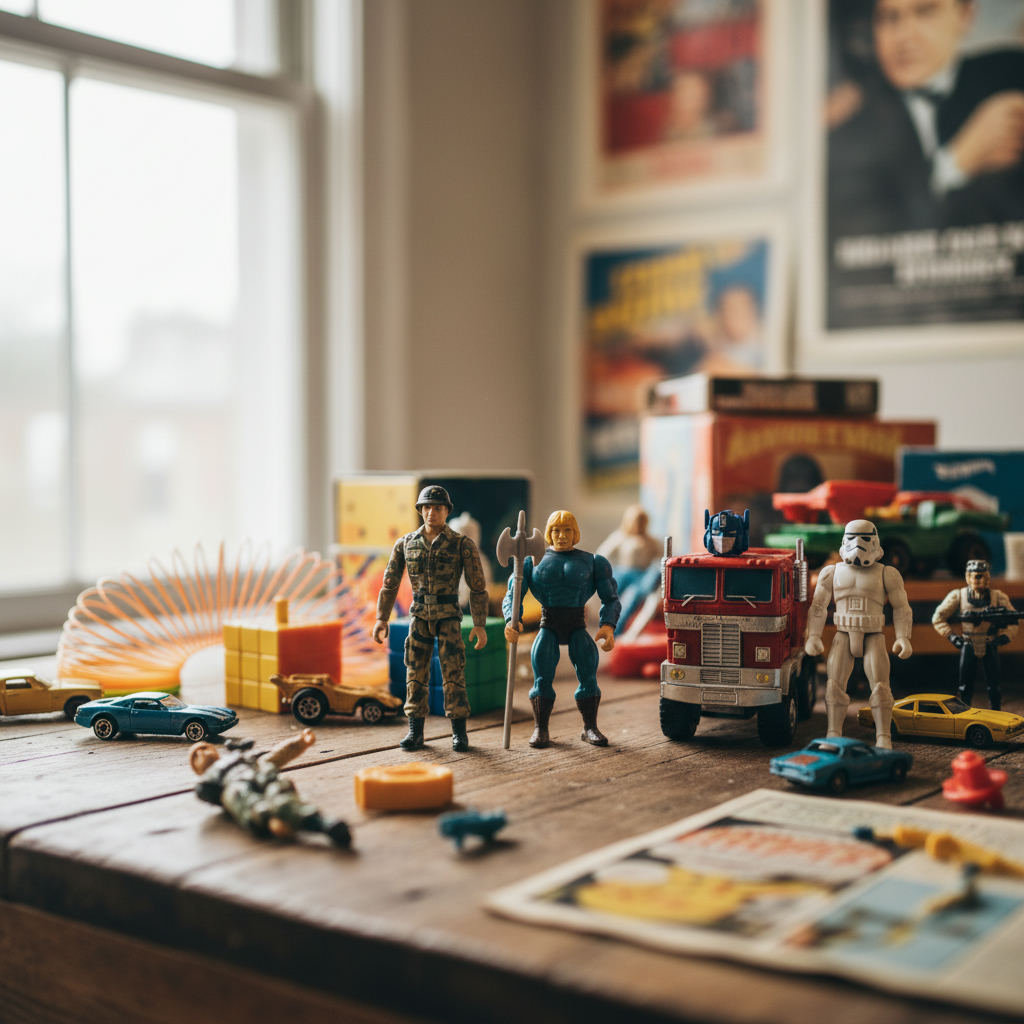
"What's my vintage toy value?" That's the million-dollar question, isn't it? Whether you've unearthed a dusty box of childhood treasures in your attic or snagged a potential gem at a flea market, figuring out what those old toys are actually worth can feel like a treasure hunt itself. And let me tell you, as a seasoned reseller, I’ve seen everything from trash to serious cash when it comes to vintage toys!
Related reading: Selling Collectibles Locally vs Online in 2026 — Net Payout Compared · Vintage Levi's Jeans Value — What Your Pair Is Really Worth in 2026 · Vintage Levi's Jeans Value: What Your Pair Is Really Worth in 2026
It's super exciting to find a classic toy, but the real thrill comes when you realize it might be worth some serious coin. In this guide for 2026, I’m going to walk you through exactly how to determine the true value of your vintage toys, where to find reliable sold prices, and how to get the most money when you decide to sell them. We'll dive deep into what makes certain old toys worth money, and how platforms like FlipAI can make your life so much easier.
Quick Answer: What's My Vintage Toy Value in 2026?
Alright, let's cut to the chase on your vintage toy value! The actual price range for vintage toys in 2026 is incredibly vast, stretching from a humble $5-$10 for common, loose figures in played-with condition to well over $1,000, and sometimes even tens of thousands, for rare, mint-in-box (MIB) or never-removed-from-package (NFP) items. For instance, a common 1980s He-Man action figure might fetch $15-$30 loose, but a rare variant like a Masters of the Universe Wun-Dar figure could command $3,000+ if complete with accessories. Graded Star Wars figures from the 70s and 80s can easily hit the $500-$5,000 range, while a rare unproduced prototype could shatter records. I recently saw a G.I. Joe Cobra Commander prototype sell for nearly $16,000! So, while most everyday finds will land in the $20-$200 bracket, always keep an eye out for those truly special pieces. Your average haul from an estate sale, for example, might net you $200 to $500 per week if you know what to look for and how to price correctly. It’s all about doing your research, and that’s where tools like FlipAI come in handy to quickly check comps.
Why the Price Varies So Much for Old Toys Worth Money
So, why such a huge swing in what makes old toys worth money? It all boils down to a few key factors that every savvy reseller needs to understand. Forget what you think something is worth; it’s about what a buyer is willing to pay, and these elements heavily influence that:
Condition, Condition, Condition!
- Mint-in-Box (MIB) / Never-Removed-From-Package (NRFP): This is the gold standard. A toy that has never been opened, still in its original packaging, will always command the highest prices. The packaging itself needs to be in excellent condition too – no tears, creases, or sun fading. This could easily multiply the value of a loose figure by 5x to 50x.
- Complete-in-Box (CIB): The toy is opened but has all its original parts, accessories, instructions, and packaging. Still very desirable!
- Complete-Loose: The toy is opened, has all its original accessories, but no box. Still great for collectors who want to display.
- Loose / Played With: The toy is missing accessories, shows signs of wear, or has damage (paint rubs, broken parts). This will significantly decrease the value, often by 70-90% compared to MIB.
Even small details like a missing blaster for a Star Wars figure or a torn cape for a He-Man can drop the price by 30-50%. It's crazy, but collectors are meticulous!
Rarity and Scarcity
This is supply and demand 101. Was the toy produced in limited numbers? Was it a regional exclusive? Was it a mail-away offer? Prototypes and unproduced items are exceptionally rare and can be worth thousands. Errors (like a toy with the wrong head) can also be highly sought after. Think about how a rare baseball card like a T206 Honus Wagner can fetch millions – rarity is a massive driver in collectibles.
Popularity and Nostalgia
While rarity is key, popularity drives demand. Franchises like Star Wars, G.I. Joe, Transformers, Masters of the Universe, Barbie, and vintage Nintendo or PlayStation items consistently have strong markets because of deep nostalgia. Even if millions were made, if millions of adults now want to recapture their childhood, the prices stay strong. Sports cards are a great example of this, where iconic players from specific eras always maintain value.
Platform and Seller Reputation
Where you sell and your reputation as a seller also play a role. Buyers are more willing to pay higher prices to established sellers with excellent feedback on platforms like eBay or through reputable auction houses, because they trust the authenticity and description. This can affect the final sale price by 10-20%.
Where to Check Real Sold Prices, Not Asking Prices, for Vintage Toys
This is where many new resellers get tripped up when trying to determine a toy value lookup. They see a toy listed for an astronomical price on eBay and think, "Aha! I'm rich!" But here's the secret sauce: asking prices don't matter; sold prices do. An item is only worth what someone is willing to pay for it. Always, always, always look at completed and sold listings.
The Best Platforms for Sold Price Research:
- eBay Completed Listings: This is my go-to. On eBay, you can search for your item, then scroll down the left-hand sidebar (or use the filter options on mobile) and select "Sold Items" and "Completed Items." This will show you exactly what similar items have actually sold for, the date they sold, and their condition. This gives you a clear picture of market value.
- Poshmark/Mercari Sold Listings: While eBay is king for many vintage toys, don't overlook these platforms, especially for action figures, dolls, or certain collectibles. Both Poshmark and Mercari have filters to show "Sold" listings. Just type in your item and then apply the "Sold" filter.
- Specialized Forums and Facebook Groups: For truly rare or niche items, active collector communities on Facebook or dedicated forums (like Reddit's r/Flipping or specific toy collector groups) often discuss recent sales, authenticate items, and can provide insights into current market trends.
- Auction House Records: For high-value, graded, or extremely rare items, checking results from reputable auction houses (e.g., Heritage Auctions, Hake's Auctions) can provide valuable data. These are typically for items worth hundreds or thousands.
It's crucial to compare apples to apples. If your toy is loose and missing accessories, don't compare it to a mint-in-box example. Look for items in similar condition, with similar packaging, and similar completeness. This detailed comparison is key to getting an accurate assessment for your items, and avoiding underpricing or overpricing.
Best Platforms to Sell Vintage Toys
Once you've done your toy value lookup, it's time to decide where to sell vintage toys! The "best" platform really depends on the type of toy, its value, and how much effort you're willing to put in. Here's a breakdown of my top recommendations:
1. eBay
Pros: Largest reach, massive collector base, ideal for rare and high-value items, good for graded items. Auction format can drive prices up for highly sought-after items. Global shipping options are a huge plus.
Cons: Fees can be higher, especially for high-value items (final value fee generally around 13.25% for most categories, plus PayPal/managed payments fees). Requires good photos and detailed descriptions. Dealing with returns can be a hassle sometimes. High competition.
2. Mercari
Pros: User-friendly, good for individual figures or smaller lots, 10% selling fee is straightforward and lower than eBay for many items. Shipping labels are easy to generate.
Cons: Smaller reach than eBay, generally better for items under $200-$300. Buyers are often looking for deals. Limited international shipping.
3. Poshmark
Pros: Excellent for vintage Barbie, doll clothes, and fashion-related toys. Simple shipping. Social aspect can help visibility. Fixed 20% commission on sales over $15 (under $15, it's a flat $2.95).
Cons: Primarily fashion-focused, so not ideal for all types of vintage toys. Higher fees for lower-value items compared to Mercari. No auction format.
4. Facebook Marketplace / Local Groups
Pros: No selling fees (if selling locally and not shipping), great for larger lots or bulk items you don't want to ship. Good for local pickups. Specific vintage toy groups can be very active.
Cons: Less reach than national platforms, dealing with no-shows, lower prices often expected for local sales. Scammers can be prevalent.
5. Specialized Online Stores / Auction Houses
Pros: Best for extremely rare, high-value, or graded toys. They handle authentication, marketing, and buyer interaction. Can fetch top dollar.
Cons: Significant commission fees (often 15-30% or more), longer selling process, strict acceptance criteria. Not for your average toy.
My advice? For most vintage toys, start with eBay. If it's a more common, lower-value piece, Mercari or Poshmark might be quicker. For bulk or local sales, Facebook is your friend. Remember, you can always crosslist to multiple platforms using tools like FlipAI's crosslisting feature to maximize your chances of a quick sale and a good price!
How FlipAI Shows Real Sold Prices in Seconds
This is where the game changes, folks! Trying to accurately gauge vintage toy value by manually sifting through sold listings on multiple platforms can be a huge time sink. Especially when you're at an estate sale, flea market, or thrift store, you don't have hours to spare. That's why I absolutely love FlipAI. It takes all the guesswork and time out of the equation.
FlipAI lets you take a photo of any item or scan its barcode to instantly see real sold prices from eBay, Poshmark, Mercari, Amazon, and more. No guessing. No Googling. Just point your camera at anything and know what it is actually worth in about 10 seconds.
Imagine this: you're at a yard sale, you spot an old action figure. Instead of frantically typing descriptions into eBay on your phone, you just open FlipAI, snap a quick picture of the toy, and BAM! Within seconds, you see recent sold listings, average prices, and even potential profit margins. This isn't just for toys either; it works for electronics, clothing, collectibles, you name it. The AI vision technology is seriously impressive.
This feature alone has saved me countless hours and helped me avoid bad buys, while also spotting hidden gems I might have otherwise passed over. It's like having a team of expert appraisers in your pocket, giving you real-time data to make smart buying and selling decisions. It gives you confidence in your pricing strategy.
Tips to Get the Best Price When You Sell Vintage Toys
So, you've done your research, you know your vintage toy value, and you're ready to list. How do you make sure you get top dollar? It's not just about finding the right buyer; it's about presenting your items professionally and strategically. Here are my tried-and-true tips:
1. Clean Your Toys (Carefully!)
A little elbow grease goes a long way. Gently wipe down plastic figures, vehicles, or playsets. Use a soft cloth and, if needed, a tiny bit of mild soap and water. Avoid harsh chemicals that could damage paint or plastic. For items in original packaging, just a light dusting will do. This small step can increase perceived value by 10-20% because buyers appreciate a well-maintained item.
2. Take AMAZING Photos
This cannot be stressed enough! High-quality, clear, well-lit photos are paramount. Use natural light if possible, against a plain, uncluttered background. Take multiple angles: front, back, sides, any distinguishing features, and clear shots of any imperfections (be transparent!). If it has original packaging, photograph that from all sides. If it has accessories, lay them out clearly. I usually aim for 5-8 photos per listing. Good photos can make or break a sale and significantly impact your selling price.
3. Write Detailed, Accurate Descriptions
Be honest about the condition! Use descriptive keywords that collectors would search for (e.g., "vintage Star Wars Luke Skywalker, loose, complete with original lightsaber, slight paint rub on hand"). Mention any defects, missing pieces, or repairs. State whether it comes from a smoke-free/pet-free home. Include measurements if relevant. The more information, the better. Transparency builds trust and prevents returns.
4. Price Competitively (Based on Sold Comps!)
Again, refer to those sold listings! Don't overprice yourself out of the market, but don't underprice either. If your item is in excellent condition, you might price it at the higher end of the sold comps. If it's average, aim for the middle. Consider starting auctions slightly below market value if you're confident there will be bidding interest. Using FlipAI's data will give you the confidence to set the right price every time.
5. Optimize for Shipping
Offer clear shipping options and costs. For delicate vintage toys, package them extremely well. Use bubble wrap, packing peanuts, and sturdy boxes. Consider offering shipping insurance for higher-value items. Buyers are often willing to pay a fair shipping cost for items that arrive safely. Make sure you calculate shipping costs accurately, or consider offering free shipping and baking the cost into your item price.
6. Consider Bundling Lower-Value Items
Got a bunch of loose, common figures? Instead of selling them individually for $5-$10 each, bundle them into a "lot" of 5-10 figures. This can attract buyers looking for quantity and save you listing and shipping fees. A lot of 10 common figures might sell for $50-$80, whereas individually they might only fetch $5-$8, making the listing effort not worth it. For more general reselling tips, check out our complete reseller guide.
7. List on Multiple Platforms (Crosslisting)
To reach the widest audience and sell faster, consider listing your vintage toys on 2-3 platforms simultaneously. You might find different types of buyers on eBay versus Mercari, for example. Just remember to delist quickly once an item sells on one platform! Tools like FlipAI also offer crosslisting capabilities, which can save you tons of time here.
Try It Free!
Hopefully, this guide has given you a clearer picture of how to determine your vintage toy value and how to effectively sell vintage toys for the best possible price in 2026. The key takeaways are always to research sold prices, understand the impact of condition and rarity, and present your items professionally. Don't let those "old toys worth money" gather dust! With the right approach and the right tools, you can turn your nostalgic finds into real cash.
And remember, when you're out there hunting for treasures, don't waste time guessing. Take FlipAI with you and instantly know the value of anything you find. It's the ultimate tool for any reseller looking to maximize their profits and make smart decisions on the go. Try FlipAI free with 10 lifetime scans — no credit card required.
Frequently Asked Questions
How do I find out what my vintage toys are worth in 2026?
To find your vintage toy value in 2026, you must look at 'sold listings' on platforms like eBay, Mercari, and Poshmark, not just active listings. Filter by condition, completeness, and packaging to compare similar items. Tools like FlipAI allow you to instantly scan an item or take a photo to see real sold prices across multiple platforms in seconds, eliminating guesswork and manual searching.
What factors determine the value of old toys?
The value of old toys is primarily determined by condition (Mint-in-Box/NRFP commanding the highest prices), rarity and scarcity (limited production, variants, prototypes), popularity and nostalgia of the franchise (Star Wars, Transformers, Barbie), and completeness (all original accessories present). Even slight damage or missing pieces can significantly reduce the value.
Where is the best place to sell vintage toys online?
eBay is generally the best platform for selling a wide range of vintage toys due to its large buyer base and auction capabilities for rare items. Mercari and Poshmark are good for individual figures or smaller lots, offering simpler selling processes. For extremely high-value or graded items, specialized auction houses might be a better fit. Consider crosslisting on multiple platforms to maximize reach.
Are old toys always worth money, even if played with?
Not all old toys are worth money, especially if they are common and heavily played with. While some popular franchises retain value even when loose, mint-in-box or never-removed-from-package items consistently fetch the highest prices. Toys in poor condition or missing parts will have significantly lower value, often selling for just a few dollars, if at all. Researching sold comps is crucial.
How can FlipAI help with vintage toy valuation?
FlipAI revolutionizes vintage toy valuation by letting you take a photo of any item or scan its barcode to instantly see real sold prices from eBay, Poshmark, Mercari, Amazon, and more. This eliminates the need for manual searching and provides accurate market data in about 10 seconds. It helps you make informed buying and selling decisions, ensuring you price competitively and maximize profit.