Vinyl Record Value in 2026 — Pressings, Condition and Real Prices
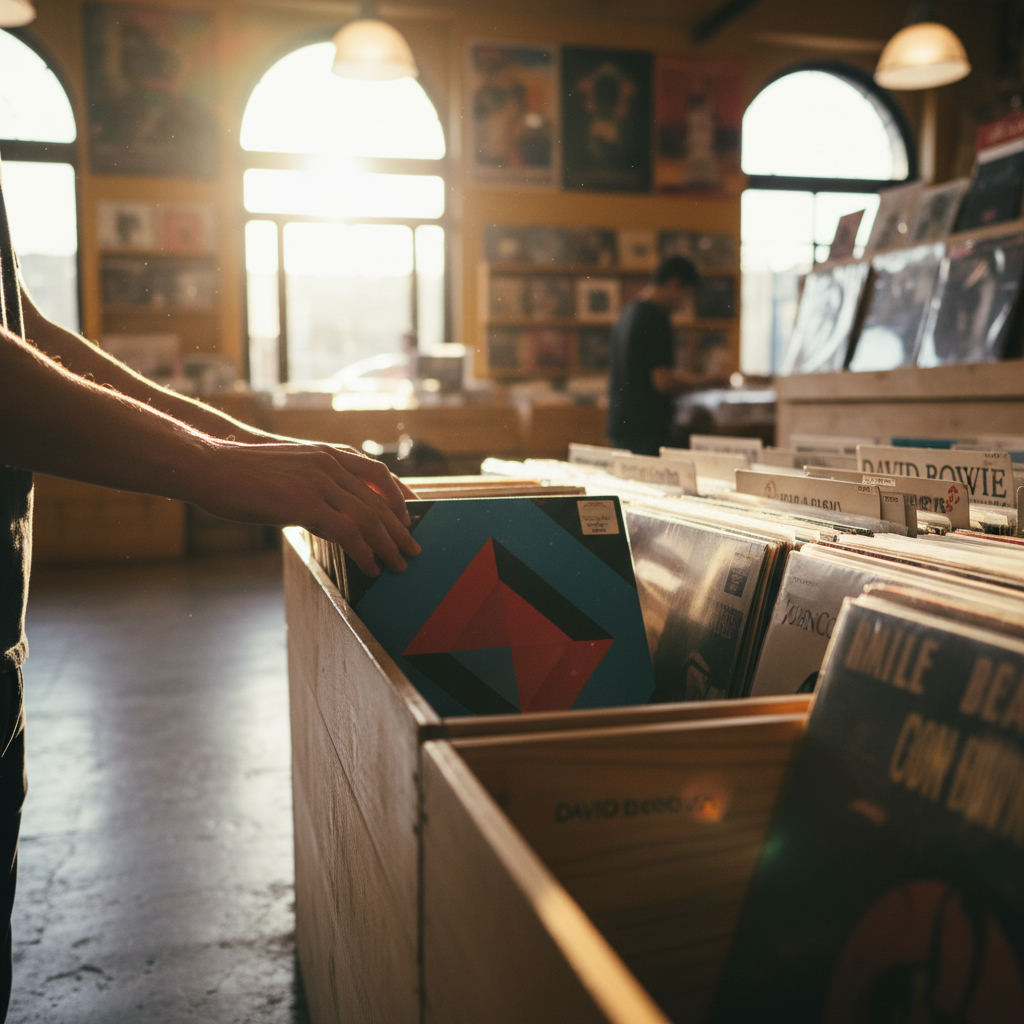
So, you've got a stack of records and you're wondering, "What's my vinyl record value in 2026?" Great question! Understanding the true worth of your cherished LPs isn't just about nostalgia; it's about making smart reselling decisions. Whether you're decluttering, flipping finds, or just curious, knowing how to accurately price your vinyl is key to turning those grooves into green. Forget guessing games; I'm here to show you how to nail down real prices, assess condition like a pro, and use handy tools to make the process a breeze. Let's dig in and uncover the hidden gems in your collection!
Related reading: Selling Collectibles Locally vs Online in 2026 — Net Payout Compared · Vintage Toy Value Guide 2026 — Prices by Era · Sneaker Resale Value in 2026 — What Sells and What Sits
Finding the accurate value for a record can feel like a treasure hunt, but with the right approach and tools, it's totally achievable. We'll cover everything from dissecting condition grades to identifying those elusive rare vinyl pressings that can fetch serious cash. We'll also dive into the best platforms for selling and, of course, how FlipAI can become your best friend in this journey. If you're looking for more general reselling tips, definitely check out our complete reseller guide.
Quick Answer: Your Vinyl Record Value in 2026
Alright, let's get straight to it. The vinyl record value in 2026 can range from a mere $1 to thousands of dollars, depending entirely on a few critical factors. For most common used records in average condition, you're looking at a value between $5 and $25. These are your everyday finds, often in decent shape but not pristine, and not particularly rare. Think classic rock albums by popular artists that sold millions of copies.
Step up the rarity and condition, and you could be looking at records valued between $50 and $200. This tier includes original pressings of sought-after albums, limited edition color variants, or records by influential artists that are harder to come by in good shape. Perhaps a first pressing of a 70s jazz fusion album or a rare indie rock release from the 90s. These are the kinds of records that collectors actively seek out and are willing to pay a premium for, especially if the condition is Near Mint (NM) for both the record and the sleeve.
Then, we have the holy grail: records that can command prices from $500 to several thousand dollars, or even tens of thousands for the truly exceptional. These are almost exclusively first pressings, promotional copies, or extremely limited runs by legendary artists, often in impeccable, sometimes even sealed (Mint, M) condition. We're talking about rare blues 78s, early Beatles or Elvis pressings, or unique punk and experimental releases with very small initial distributions. For instance, an original copy of The Beatles' "Yesterday and Today" with the infamous 'butcher cover' in good condition can easily clear $5,000, and a sealed one has sold for upwards of $100,000. While these are extreme examples, they illustrate the potential. Identifying these gems requires careful research, often involving catalog numbers and dead wax matrix codes, which can be found on sites like Discogs. This is where tools that provide instant access to sold prices become invaluable, helping you differentiate between a common reprint and a valuable original.
Why the Price Varies: Condition, Rarity, and Platform
The wild swings in vinyl record value aren't random; they're driven by a combination of key factors. Understanding these will empower you to accurately assess your collection and get the best price when you decide to sell.
Condition is King (or Queen!)
Seriously, when it comes to vinyl, condition is EVERYTHING. Even the rarest record will fetch significantly less if it's scratched, warped, or missing its cover. The standard grading system is crucial here:
- Mint (M): Perfectly flawless. Often factory sealed. You'll rarely see this grade on a used record.
- Near Mint (NM): Like new. May have been played a few times but shows no obvious signs of wear. The cover is crisp with no noticeable flaws.
- Very Good Plus (VG+): Light signs of use. May have a few minor scuffs or light scratches that don't affect play. The cover might have slight ring wear or minor corner dings. This is a common and highly desirable grade for used records.
- Very Good (VG): More obvious signs of use. May have surface noise during quiet passages, light scratches that might be audible. The cover might have seam splits or more pronounced ring wear. Still playable and enjoyable, but definitely not pristine.
- Good (G) / Good Plus (G+): Significant wear. Expect noticeable surface noise, scratches, and potentially skips. The cover will likely have major flaws. Often used for filler copies or very rare records where any playable condition is valued.
- Poor (P) / Fair (F): Heavily damaged, likely unplayable. Usually only purchased for very rare covers or labels.
A record that's VG+ can sell for 2-3 times more than the same record graded VG. Always be brutally honest about condition when listing your records; it builds trust with buyers and prevents returns.
Rarity and Pressing Matters
Not all records are created equal, even if they're the same album by the same artist. This is where rare vinyl pressings come into play. Factors that contribute to rarity and higher value include:
- First Pressings: The very first run of an album can often be the most valuable, especially if it was a limited release or had unique characteristics (e.g., specific labels, inner sleeves, or even mastering differences). Identifying these usually involves checking the runout groove information (matrix numbers) and comparing them to databases like Discogs.
- Limited Editions: Colored vinyl, picture discs, special anniversary editions, or numbered copies. These were often produced in smaller quantities and can become highly collectible.
- Promotional Copies: "For Promotional Use Only" stamped records, often sent to radio stations or reviewers, can be rare, though sometimes their value is debated depending on the collector.
- Obscure Artists/Labels: Records from short-lived independent labels or by artists with a small but dedicated following can be surprisingly valuable due to their scarcity.
- Regional/Country-Specific Pressings: Sometimes a record pressed in a specific country (e.g., Japan for its typically high-quality pressings, or certain European countries) can be more desirable than its domestic counterpart.
The more unique and harder-to-find a specific version of a record is, combined with good condition, the higher its potential value. This is where meticulous research really pays off!
The Selling Platform Impact
Where you decide to sell vinyl records also influences the final price. Different platforms cater to different audiences and have varying fee structures. A record might fetch a higher price on a specialized music marketplace like Discogs compared to a general marketplace like eBay, simply because the buyers there are more knowledgeable and specifically looking for vinyl. However, platforms with higher traffic (like eBay) might offer quicker sales, sometimes at a slightly lower price point, or with a greater chance of bidding wars if the item is truly hot.
Where to Check Sold Prices, Not Asking Prices
Here's a golden rule for reselling any item, especially vinyl: NEVER price based on what sellers are *asking* for. Always, always, always look at what items have *actually sold* for. An asking price is just a hope; a sold price is a reality. This is particularly important for vinyl record value because there can be such a huge disparity between a hopeful seller's dream and a collector's budget.
So, where do you find these magical sold prices?
-
eBay Sold Listings
This is my go-to for almost anything. On eBay, you can search for your record, then scroll down on the left-hand sidebar (or filter options on mobile) and check the box for "Sold Items." This will show you exactly what similar records have recently sold for, including the date of sale. Pay close attention to condition, pressing details, and whether it sold via auction or Buy It Now. This gives you a fantastic baseline for setting your own price. Remember, an eBay final value fee for most media categories is around 13.25% of the total sale price (item + shipping), so factor that into your profit calculations.
-
Discogs Marketplace (Completed Sales)
Discogs is the undisputed champion for vinyl cataloging and research. Each record entry on Discogs has a "Marketplace" tab, and within that, you can view "Sales History." This shows you the lowest, median, and highest prices for that specific pressing over time. It's incredibly detailed and fantastic for identifying specific pressings by catalog number, matrix codes, and other identifiers. While it doesn't show individual buyer/seller info like eBay, it's invaluable for establishing a median price point for accurate record values.
-
Specialized Vinyl Marketplaces
Sites like Goldmine (which also publishes the standard grading guide) sometimes have forums or resources for valuing specific rare items. For truly high-end collectibles, auction houses specializing in music memorabilia might have public records of past sales.
-
FlipAI: Your Instant Pricing Partner
This is where things get truly easy. While the above methods are solid, they require a bit of digging. What if you're at a flea market, estate sale, or thrift store and need to know the value *now*? That's precisely why I love FlipAI. It cuts out the manual searching. I'll get into the specifics in a bit, but trust me, it’s a game-changer for speed and accuracy. If you're out sourcing, having a tool like FlipAI saves you precious time and helps you make quick, informed buying decisions. For other useful reseller tools, check out our guide!
Best Platforms to Sell Vinyl Records
Once you've figured out your vinyl record value, where should you actually sell it? The best platform depends on your goals, the record's value, and how much effort you want to put in.
-
eBay
Pros: Massive audience, great for both common and rare items. Auctions can drive up prices for hot items. Good for bulk sales (lots). Relatively straightforward listing process. You can find their seller center at eBay Seller Center. Cons: High fees (around 13.25% for most media, plus payment processing). Can be competitive. Requires good photos and detailed descriptions to stand out.
-
Discogs
Pros: Specialized marketplace for music collectors. Buyers are knowledgeable and often willing to pay fair prices for specific pressings. Excellent cataloging system makes it easy to list. No listing fees, only a 8% transaction fee on sold items. Cons: Can have a steeper learning curve for new sellers. Payouts can sometimes be slower. Less traffic than eBay for general items.
-
Mercari
Pros: Simple listing process, user-friendly for beginners. Good for mid-range records ($20-$100). Low flat fee structure (10% selling fee, plus a payment processing fee of 2.9% + $0.50 per sale). Cons: Smaller audience for niche items compared to eBay/Discogs. Less emphasis on detailed pressing info, so high-value collectors might prefer other platforms. Learn more about selling on Mercari here: Mercari Sell.
-
Poshmark
Pros: While primarily known for fashion, Poshmark has a growing "Home" and "Electronics" category which sometimes includes vinyl. It's super easy to list. Great for bundles. Flat 20% commission on sales over $15 (or $2.95 for sales under $15). Cons: Not ideal for high-value or super rare records due to its generalist nature and higher fees for most vinyl sales. Audience isn't specifically looking for vinyl, so sales might be slower.
-
Local Options (Record Stores, Flea Markets, Facebook Marketplace)
Pros: No shipping hassle or fees (though stores buy at wholesale). Instant cash. Good for purging large collections quickly. Cons: Record stores will offer you significantly less than market value (they need to make a profit!). Flea markets can be hit-or-miss. Facebook Marketplace requires dealing with local pickups and sometimes flaky buyers.
For high-value, rare items, a multi-platform strategy using FlipAI's crosslisting features can be incredibly effective, getting your item in front of the widest possible audience without extra effort. This ensures you're maximizing your reach across different buyer segments.
How FlipAI Shows Current eBay Asking Prices in Seconds
Okay, let's talk about the absolute best way to figure out your vinyl record value when you're on the go or just want a quick, accurate answer without diving down research rabbit holes. That's where FlipAI comes in to save the day!
Instead of manually searching across multiple platforms, trying to match conditions and pressings, FlipAI streamlines the entire process. Here's how it works and why it's a game-changer for resellers:
FlipAI lets you take a photo of any item or scan its barcode to instantly see current eBay asking prices (live listings, not sold prices) plus an AI estimate. No guessing. No Googling. Just point your camera at anything and know what it is actually worth in about 10 seconds.
Imagine this: You're at a garage sale, you spot a dusty box of records, and one catches your eye – maybe a familiar cover, or an artist you know. Instead of pulling out your phone, typing in artist and album, then filtering for sold listings on eBay and hoping for a Discogs match, you just open FlipAI. Snap a picture of the album cover, or if there's a barcode (common on newer pressings), scan that. Within moments, FlipAI's AI vision technology analyzes the image or barcode and pulls up recent market listings across various marketplaces. You'll see the actual prices that similar records have fetched, giving you an immediate, reliable baseline for its value. This quick insight allows you to make an informed decision on the spot: is it a flip, or best left behind?
This isn't just about speed; it's about accuracy. By showing you live market data from multiple platforms, FlipAI gives you a comprehensive view of the market, helping you understand true record values. It reduces the risk of overpaying for inventory or underpricing your own items, boosting your profit margins significantly. Plus, it often suggests key information like pressing identifiers, making your research even faster. It's like having an expert vinyl appraiser in your pocket, ready whenever you need them.
Tips to Get the Best Price When You Sell Vinyl Records
Knowing the vinyl record value is just step one. Getting that top dollar requires a little finesse. Here are my best tips for maximizing your profit when you sell vinyl records:
-
Be Meticulous with Grading
This cannot be stressed enough. Grade your records accurately and conservatively. If you think it's VG+, but there's a tiny scuff that might make it a strong VG, err on the side of VG. Over-grading leads to disappointed buyers, negative feedback, and returns. Under-grading, however, can sometimes lead to pleasant surprises for buyers, which translates to positive reviews. Use the Goldmine standard for grading – it's the industry benchmark. Don't forget to grade both the record AND the sleeve separately!
-
Detailed Descriptions and Photos
Don't just say "good condition." Describe *why* it's good. Point out any flaws (surface noise, cover wear, inner sleeve condition). The more information you provide, the less likely a buyer will be surprised. Take clear, well-lit photos of the front and back cover, the record label, and any visible imperfections on the vinyl itself. If it's a rare pressing, photograph the matrix/runout codes. Buyers appreciate transparency.
-
Identify the Specific Pressing
This is where your research on Discogs and with FlipAI comes in. A first pressing of an iconic album could be worth 10x a later reissue. Make sure your listing clearly states the year, country of origin, and any specific identifiers (like "Monarch pressing" or "RL cut"). These details are gold for serious collectors.
-
Clean Your Records
A clean record sounds better and looks better. Use a dedicated record cleaning solution and a microfiber cloth, or invest in a record cleaning machine for bulk cleaning. Remove dust, fingerprints, and grime. This small effort can significantly improve playability and visual appeal, leading to a better sale price. Just make sure to handle them carefully to avoid introducing new scratches.
-
Use Proper Packaging
Vinyl is fragile! Invest in proper record mailers, cardboard inserts, and bubble wrap. Remove the record from the jacket (place it in an inner sleeve next to the jacket) to prevent seam splits during shipping. Clearly mark packages as "FRAGILE" or "DO NOT BEND." A damaged record in transit means a lost sale and a refund. Shipping costs for a single LP can range from $5 to $8 domestically, so factor that into your pricing strategy.
-
Cross-List (Strategically)
For your most valuable or niche records, consider listing them on multiple platforms. While I mentioned FlipAI's crosslisting capabilities, you can also manually list on eBay and Discogs (just be sure to delist immediately from one once it sells on the other to avoid double sales!). This ensures maximum exposure to different buyer pools. Just remember the fee structures: eBay's 13.25% vs. Discogs' 8% or Mercari's 10% can make a difference in your final profit.
-
Monitor Market Trends
The market for record values can fluctuate. Keep an eye on what's hot. An artist who suddenly gains popularity (e.g., via a Netflix documentary or viral social media trend) might see their vinyl prices surge. Conversely, a common record might dip. Stay informed by checking sold listings regularly.
Try It Free: Discover Your Vinyl Record Value Today!
Getting into reselling vinyl can be incredibly rewarding, both for your wallet and your love of music. With the right tools and knowledge, you can confidently identify, price, and sell your records for maximum profit. Remember to always check actual sold prices, understand the nuances of condition and pressing, and present your items professionally. Whether you're just starting out or a seasoned flipper, making informed decisions quickly is key to success in the fast-paced world of reselling. Don't let valuable records sit unnoticed or sell for less than they're worth. Take control of your inventory and boost your profits by tapping into real-time market data. The potential profit you can gain by accurately pricing your inventory is significant, easily adding hundreds of dollars to your weekly earnings if you're consistently sourcing and selling. Now is the perfect time to get started!
Try FlipAI free with 10 lifetime scans — no credit card required
Frequently Asked Questions
How do I find out the value of my vinyl records?
To find the true vinyl record value, you need to check actual sold prices, not just asking prices. Tools like FlipAI allow you to scan a record and instantly see what similar items have sold for on platforms like eBay, Poshmark, and Mercari. Condition is paramount, so be honest about any wear. Identifying the specific pressing (e.g., first pressing, colored vinyl, limited edition) is also crucial, as different versions can have vastly different values. Online databases like Discogs can help identify pressings.
What factors determine a vinyl record's value?
Several factors determine a vinyl record's value, with condition being the most critical. A record graded Near Mint will fetch significantly more than one graded Good. Rarity also plays a huge role; limited pressings, promotional copies, or records with unique cover art often command higher prices. Popularity of the artist and the specific album, as well as current market demand, are also important. The specific pressing (first, repress, country of origin) is another key differentiator that can drastically impact value.
Is it better to sell vinyl records individually or in lots?
Whether to sell vinyl records individually or in lots depends on their individual value. High-value, rare, or collectible records should almost always be sold individually to maximize your profit. For common records, especially those in average condition, selling them in themed lots (e.g., '50 Classic Rock LPs' or 'Jazz Collection') can be more efficient. While a lot might get a lower price per record, it saves on listing fees and shipping multiple times, and helps move inventory that might not sell well on its own.
What is the best way to clean a vinyl record before selling?
Cleaning a vinyl record before selling can significantly improve its perceived condition and sound quality, thus boosting its value. Start with a soft, anti-static brush to remove surface dust. For deeper cleaning, use a dedicated record cleaning solution and a microfiber cloth, wiping gently in the direction of the grooves. Avoid harsh chemicals or abrasive materials. A record cleaning machine can offer the best results for serious sellers, removing stubborn grime from the grooves and reducing static.
How important is the album cover condition for vinyl record value?
The album cover's condition is extremely important for a vinyl record's value, often almost as much as the record itself. A pristine cover (graded Near Mint) can add substantial value, especially for rare or iconic artwork. Damage like seam splits, ring wear, corner dings, writing, or water damage can significantly decrease a record's overall desirability and price. Collectors often seek out complete packages, meaning both the record and its cover are in excellent shape. Always describe cover imperfections accurately in your listings.