Goodwill Bins Reselling Tips — 2026 Guide
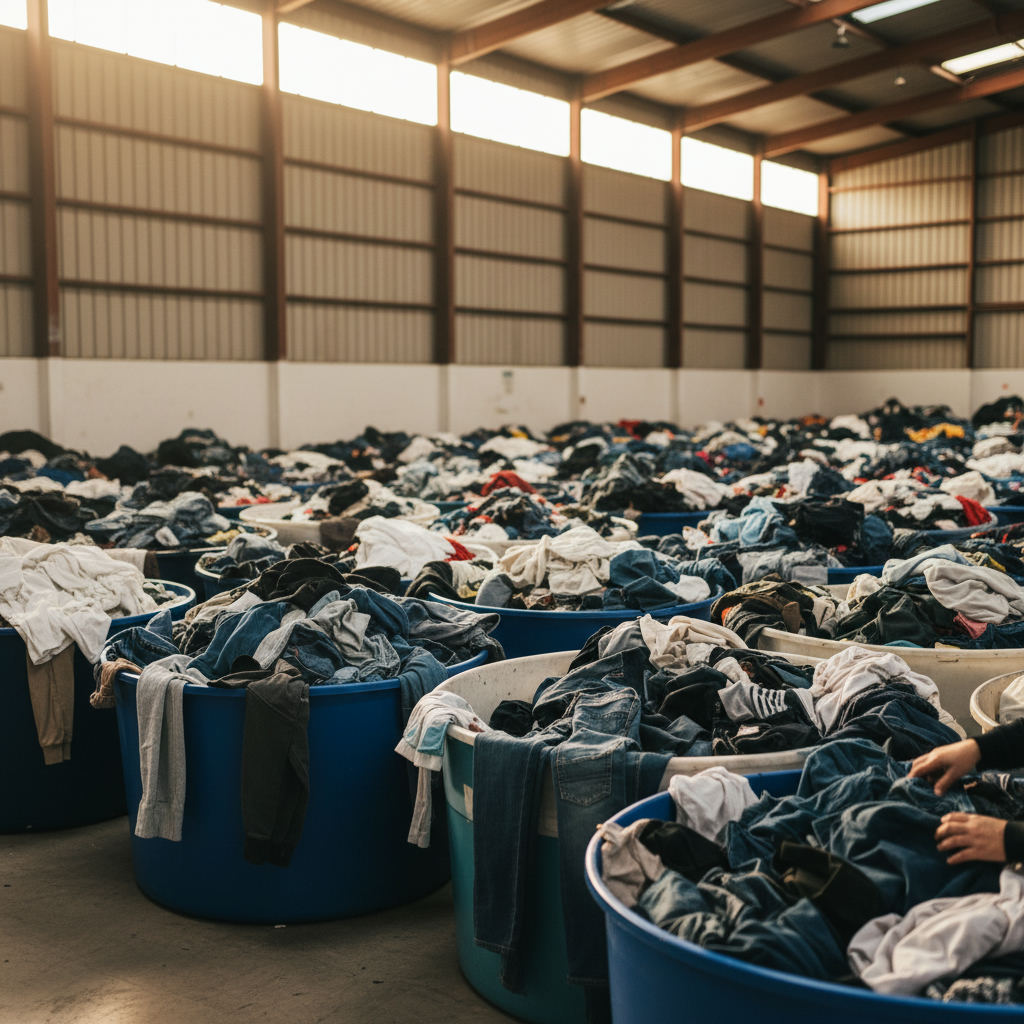
When it comes to goodwill bins reselling tips, the secret to success in 2026 is focusing on high-value, easy-to-ship items that offer substantial profit margins. You can expect to find profitable categories like vintage clothing, collectible toys, unique housewares, and small electronics, with realistic per-item profit margins ranging from $15 to $100+ after fees, leading to potential weekly earnings of $200 to $500 for consistent sourcers. It’s all about speed, knowing your comps, and having the right tools to quickly identify value.
Related reading: Reselling Vendors in 2026 — How to Find Suppliers That Actually Profit · Flea Market Flipping Tips — Complete 2026 Guide · Estate Sale Flipping Tips — Complete 2026 Guide
Quick Answer: Profitable Categories & Margins in 2026
For those diving into the goodwill bins, the most profitable categories are generally vintage apparel (especially denim, band tees, and designer labels), small electronics (think vintage audio, game consoles, and brand-name smart devices), collectible housewares (Pyrex, unique ceramics, mid-century modern pieces), and specific types of media (vinyl records, rare books, complete DVD/Blu-ray box sets). You can realistically achieve per-item profit margins ranging from $15 to $100+, depending on the item's rarity and market demand. My most recent bin score, a vintage Levi's jacket, cost me $2.50 and sold for $85, yielding a solid $60 profit after all fees!
Why Goodwill Bins Reselling is Profitable Right Now
Goodwill bins, often called the 'Goodwill Outlet' or 'pay by pound thrift' stores, are a goldmine for resellers because of the pricing structure and sheer volume of goods. Unlike regular thrift stores that price items individually, the bins typically sell items by weight, meaning you could pick up a designer jacket, a vintage camera, and a pair of brand-name shoes for a few dollars per pound. This dramatically lowers your cost of goods, creating a massive potential for profit.
In 2026, the demand for sustainable and unique items continues to grow. Consumers are increasingly looking for pre-owned goods for environmental reasons, budget-consciousness, or simply to find something distinctive that isn't mass-produced. This trend fuels the reselling market, making it an excellent time to capitalize on the low prices at the bins.
Another major factor is the sheer volume of donations. Goodwill processes millions of pounds of donated goods annually, and what doesn't sell in their retail stores often ends up at the bins. This constant turnover means new inventory is hitting the floor all day, every day, providing endless opportunities to find treasures. I've seen pallets of brand new, still-in-box items destined for the bins just because they couldn't be priced fast enough for the retail stores. It's truly a treasure hunt where every visit brings new potential.
The bins also offer a unique advantage: less competition in specific niches if you know what to look for. While some popular items like designer clothes are quickly snatched, there are countless categories that general shoppers overlook. By becoming an expert in a few specific areas, you can consistently pull out high-profit items that others miss. That's where knowing your market and using tools like FlipAI come into play – they turn educated guesses into profitable decisions, helping you make the most of your bin visits.
What to Look For at the Bins
Okay, let's talk about what makes my reseller heart flutter when I'm knee-deep in the bins. It's not just about what's expensive; it's about what's in demand and easy to flip. Here are my top categories to scour:
-
Vintage & Designer Clothing
This is my bread and butter. Look for specific brands like Levi's (especially older tags), Patagonia, The North Face, Carhartt, Tommy Hilfiger, Ralph Lauren, and any true vintage pieces from the 70s, 80s, or 90s. Graphic tees, band tees, sportswear, and denim jackets are hot. Always check for materials like silk, cashmere, merino wool, and leather. Condition is key here – no major stains, rips, or broken zippers unless it's an easy fix. I once found a perfectly preserved 1980s Adidas track jacket that I paid less than $2 for and sold for $120 on eBay within a week!
-
Small Electronics & Gadgets
Think beyond just modern phones. Vintage cameras (especially film cameras like Canon AE-1s or Olympus OM series), vintage audio equipment (Walkmans, older stereos, quality headphones), gaming consoles (especially retro ones like Nintendos, Segas, or PlayStation 1/2), and even specific cables or adapters can be worth a surprising amount. Test them if possible, or assume they are for parts and price accordingly. Remember, original chargers and accessories add significant value!
-
Collectible Housewares & Decor
This is where your eye for unique style comes in. Mid-century modern pieces, Pyrex, CorningWare, quality ceramics (Fiesta, Bauer, McCoy), unique art glass, vintage lamps, and even specific types of kitchen gadgets (vintage blenders, stand mixers like KitchenAid) can do well. Look for brand names on the bottom. I’ve found countless sets of Pyrex bowls that cost me pennies per piece and sold for $50-$80 a set. People love unique items for their home!
-
Books, Media & Toys
Rare books, first editions, complete series sets, and vintage children's books can be valuable. For media, look for collectible vinyl records (especially rock, jazz, or obscure genres), sealed DVDs/Blu-rays of popular series, or vintage video game cartridges. In toys, think vintage action figures (Star Wars, GI Joe), LEGO sets (new in box or large bundles of specific pieces), collectible dolls, or brand-name board games with all their pieces. Trading cards, especially sports cards, can also be a goldmine if you know what to look for. Learning about collectible trading cards is a great way to diversify your bin finds.
How to Spot Value Quickly at the Bins
Speed is EVERYTHING at the bins. When new carts roll out, it’s a frenzy. You need to be able to scan and identify potential value in seconds. Here’s my playbook for quick value spotting:
-
Know Your Brands (and Logos!)
Train your eye to instantly recognize valuable brands. For clothing, it’s Nike, Adidas, Patagonia, Levi's, Lululemon, Free People, Anthropologie, Carhartt, and any designer labels. For housewares, think Pyrex, CorningWare, Fiesta, Lodge, Le Creuset. Electronics? Sony, Nintendo, Apple, Bose, vintage Polaroid, Canon, Nikon. A quick flash of a familiar logo can save you precious rummaging time.
-
Feel for Quality & Materials
Good quality items often feel different. Heavy, sturdy fabrics like linen, silk, cashmere, or thick cotton indicate better construction. For electronics, a substantial weight often suggests better components. For housewares, look for solid wood, heavy glass, or ceramic instead of flimsy plastics. Learning to differentiate cheap fast fashion from well-made garments through touch is a game-changer.
-
Look for "New With Tags" (NWT)
This is an obvious win. Items with original tags are almost always an instant flip. Even if it's not a super high-end brand, NWT items fetch better prices and sell faster. My personal best NWT find was a brand-new Free People dress that cost me 80 cents and sold for $65. Always keep an eye out for those dangling price tags!
-
Check for Complete Sets & Pairs
A full set of anything (Pyrex bowls, board games with all pieces, complete DVD series) is far more valuable than incomplete items. For shoes, always check for pairs. It sounds basic, but in the chaos of the bins, it’s easy to grab one shoe and move on. Many times, the matching shoe is just a few bins over.
-
Trust Your Gut & Learn from Mistakes
Sometimes an item just *feels* right, even if you can't immediately pinpoint why. Grab it, quickly check comps, and if it's a dud, toss it back. The bins are cheap enough to take calculated risks. I've learned more from buying and researching items that turned out to be duds than from only buying obvious winners. It hones your instinct. Don't be afraid to pull out an item and quickly research it with FlipAI, which brings me to my next point!
Average Profit Margins for This Category
The beauty of sourcing from the Goodwill Bins is the incredibly low cost of goods, which directly translates into fantastic profit margins. While retail thrift stores might price a decent jacket at $15-$20, at the bins, that same jacket could cost you $1-$3 because you're paying by the pound. This fundamental difference is why bins reselling can be so lucrative.
Let's break down some real-world examples and average profit margins:
-
Vintage Clothing
For a vintage Levi's denim jacket that costs you, say, $2 (based on a $1.50/lb rate), and sells for $75 on eBay: After eBay's average 13.25% final value fee (around $9.94) and shipping costs ($7-$10), your profit could easily be $53-$56. That's a whopping 2650-2800% ROI! For a designer dress that cost $1 and sells for $50 on Poshmark (20% fee = $10), your profit is $39, a 3900% ROI. My average profit margin on clothing from the bins is typically over 1000%.
-
Small Electronics
Imagine finding a vintage Canon AE-1 film camera for $3. If you clean it up and sell it for $150 on Mercari (10% fee = $15), after shipping ($10-$15), you're looking at a profit of $117-$122. That’s an impressive 3900-4066% ROI. Even a vintage Walkman for $1 that sells for $40 could yield a profit of $25-30, depending on fees and shipping, still a significant return.
-
Collectible Housewares
A set of Pyrex bowls costing $1.50 might sell for $60. If you sell on Etsy (6.5% transaction fee = $3.90, plus payment processing and listing fees), with shipping around $10-$15, your profit could be $39-$44. That’s a 2600-2933% ROI. Individual unique ceramic pieces can also fetch similar returns, often selling for $20-$40 each with minimal initial cost.
Keep in mind, these are averages. Some items will sell for less, some for much, much more. The key is volume and consistency. The average sell-through rate for well-sourced bin items can be around 18-25% within 30 days if priced competitively. The incredibly low cost of goods means you don't need a huge profit on every single item to make a significant income. You could aim for just $20-$30 profit per item, and if you flip 10-15 items a week, you're looking at $200-$450 weekly income, which is totally achievable with consistent effort and smart sourcing strategies.
Check Value Before You Buy with FlipAI
This is where the rubber meets the road, folks. In the fast-paced, sometimes chaotic environment of the Goodwill bins, you don't have time to second-guess yourself or spend 10 minutes Googling on your phone. You need a lightning-fast solution to determine if that vintage jacket or obscure electronic device is actually worth your hard-earned cash (or, more accurately, your bin weight allowance!). This is precisely where FlipAI becomes your ultimate secret weapon. FlipAI lets you take a photo of any item or scan its barcode to instantly see current eBay asking prices (live listings, not sold prices) plus an AI estimate. No guessing. No Googling. Just point your camera at anything and know what it is actually worth in about 10 seconds.
I can't tell you how many times I've been at the Goodwill Outlet, seen something intriguing, quickly scanned it with FlipAI's AI vision, and instantly knew whether it was a $5 flip or a $50 score. For example, I recently spotted an old camera lens. My gut said maybe, but a quick photo with FlipAI showed me recent sales for over $200! Without that instant data, I might have passed it by. This tool eliminates the uncertainty, allowing you to confidently grab those high-profit items and leave the duds behind. It’s like having a team of pricing experts in your pocket, making you faster and smarter than the competition. Plus, using the built-in profit calculator, I can quickly estimate my net gain right there, even before it hits my cart. It’s an essential part of my eBay selling strategy.
Where to Sell What You Find
Finding the treasures is only half the battle; knowing where to sell them is just as crucial. Different platforms cater to different types of items and audiences, and optimizing your selling strategy across multiple platforms will maximize your profits and sell-through rates. This is where crosslisting your items across platforms" >crosslisting your items across platforms truly shines.
-
eBay
Best for: Collectibles, vintage electronics, unique housewares, niche items, and almost anything with a specific search term. eBay has the widest audience and is great for getting top dollar for rare finds. The platform's fees are generally around 13.25% for most categories, plus payment processing fees. For example, a vintage action figure might sell quicker and for more on eBay due to its strong collector base.
-
Poshmark
Best for: Clothing, shoes, and accessories. Poshmark has a highly engaged fashion-focused community. It's fantastic for branded clothing, jeans, dresses, and quality outerwear. Their fee structure is simple: for sales under $15, they take a flat $2.95; for sales $15 and over, they take a 20% commission. This is often my go-to for vintage denim or designer apparel found at the bins.
-
Mercari
Best for: Almost anything, similar to eBay but often with a slightly younger, more mobile-centric audience. Mercari is excellent for small electronics, toys, and household goods. Their fees are 10% for the selling fee and a separate payment processing fee of 2.9% + $0.50. I've had great success selling vintage cameras and video game consoles here.
-
Etsy
Best for: True vintage (items 20+ years old), handmade goods, unique home decor, and craft supplies. If you find truly unique, artistic, or antique items at the bins, Etsy can be a goldmine. Their fees include a $0.20 listing fee, a 6.5% transaction fee, plus payment processing fees. A rare Pyrex set or a mid-century modern vase from the bins would likely do very well here.
-
Facebook Marketplace
Best for: Local sales, bulk items, furniture (if you're brave enough to haul it from the bins!), and items you want to sell quickly without shipping. It's free for local pickup, but there are fees for shipped items. I often use it for larger items or bundles of clothing that are too heavy to ship cost-effectively.
-
Depop / Vinted / TikTok Shop
Best for: Trendy clothing, streetwear, Y2K fashion, and unique vintage pieces catering to a younger demographic. Depop charges a 10% selling fee, and Vinted typically has no seller fees but buyers pay a fee. TikTok Shop is newer but offers huge reach for viral items. If you find very current or highly desired youth fashion, these platforms are fantastic.
My advice? Don't put all your eggs in one basket. List your items on at least 2-3 platforms simultaneously. Use a platform like FlipAI that offers crosslisting features, so you can manage your inventory efficiently without manual re-entry. It saves a ton of time and vastly increases your chances of a quick, profitable sale. For more insights on selling effectively, check out our comprehensive reseller guide">reseller guide.
Get Started: Your 2026 Goodwill Bins Reselling Journey
There you have it! The definitive guide to goodwill bins reselling tips for 2026. The bins offer an unparalleled opportunity to build a profitable reselling business with minimal overhead. It's about combining keen observation skills, a strong understanding of market demand, and the right tools to maximize your efficiency and profit. Remember to start small, learn as you go, and don't be afraid to get a little dirty!
Your journey to becoming a bin-sourcing pro starts now. Grab your gloves, your phone with FlipAI, and get ready to discover some serious treasures. The more you go, the better you'll get at spotting those hidden gems and turning them into real cash. Happy flipping!
Frequently Asked Questions
What items are most profitable at Goodwill bins for reselling in 2026?
In 2026, the most profitable items at Goodwill bins generally include vintage clothing (designer labels, band tees, denim), small electronics (retro gaming consoles, film cameras, quality headphones), collectible housewares (Pyrex, mid-century modern pieces), and specific media (rare books, vinyl records, complete DVD sets). Items that are unique, in good condition, or from well-known brands tend to fetch the highest prices on secondary markets.
How do Goodwill bins work, and why are they good for resellers?
Goodwill bins, also known as Goodwill Outlets or 'pay by pound' stores, sell unsorted donated items by weight rather than individual price. This significantly lowers the cost of goods for resellers, creating large profit margins. New inventory is constantly rotated, offering fresh opportunities. The high volume of goods and low prices allow resellers to take calculated risks on items, making it an excellent source for profitable flips.
What's the average profit margin for items found at the Goodwill bins?
Average profit margins from Goodwill bins can be incredibly high, often ranging from 1000% to over 4000% ROI. For example, an item costing $2 (by weight) that sells for $75 after fees could yield a $50-$60 profit. While individual results vary, the low cost of acquisition means even a $20-$30 profit per item can add up quickly, leading to potential weekly earnings of $200-$500 for active sourcers.
How can I quickly identify valuable items at the bins?
To quickly spot value, train your eye to recognize key brands and logos in clothing, electronics, and housewares. Feel for quality materials like silk, cashmere, or heavy glass. Always look for "New With Tags" items for an instant win. Check for complete sets or pairs. Most importantly, use a tool like FlipAI to instantly check market prices by taking a photo of an item, eliminating guesswork and saving precious time in the busy bin environment.
What platforms are best for selling items sourced from Goodwill bins?
The best platforms depend on the item. eBay is ideal for collectibles and unique electronics due to its broad audience. Poshmark is excellent for fashion and accessories. Mercari is versatile for a wide range of goods. Etsy excels for true vintage and unique home decor. Facebook Marketplace is great for local sales or bulky items. Consider crosslisting items across multiple platforms like Depop or TikTok Shop for a younger, trend-focused audience to maximize reach and sales.