Flea Market Flipping Tips — Complete 2026 Guide
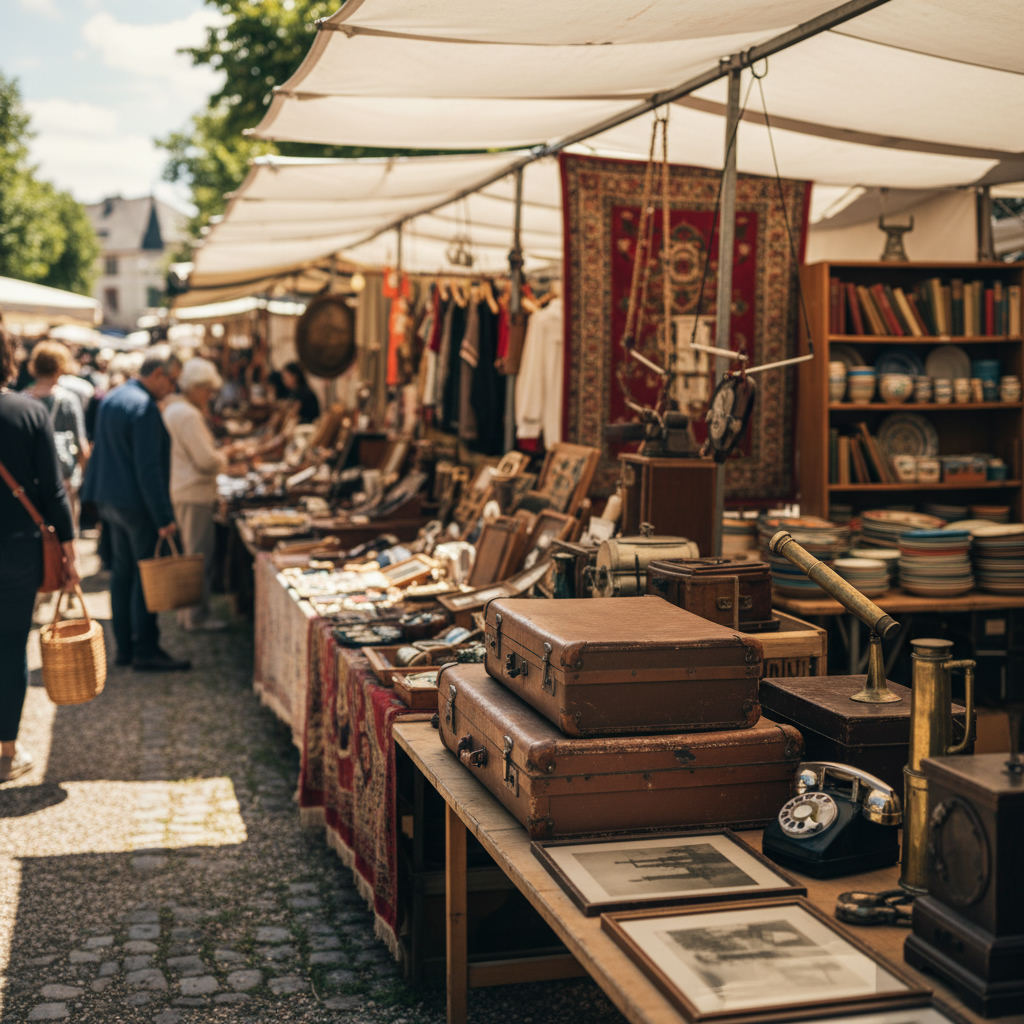
When it comes to flea market flipping tips, the quickest way to turn a profit is by focusing on categories like vintage clothing, collectible media (vinyl, video games), unique home decor, and small electronics, aiming for a 100-300% return on investment. With savvy sourcing and smart selling, you can realistically turn a $20 investment into a $100 sale, sometimes even more, consistently week after week. These kinds of returns are what make flea market flipping a powerhouse for resellers in 2026.
Related reading: Online Flea Markets — Where to Buy and Sell 2026 · Best Online Flea Market Sites in 2026 · Estate Sale Flipping Tips — Complete 2026 Guide
Quick answer
The most profitable categories for flea market flipping include vintage fashion (denim, band tees, designer items), classic video games and consoles, high-quality antique tools, mid-century modern furniture, and specific types of collectibles like sports memorabilia or unique toys. Resellers can realistically achieve profit margins ranging from 150% to 500% on individual items, often turning a $10-$30 purchase into a $50-$150 sale, with larger furniture pieces yielding $300-$500 profits or more. Your goal should be to find items you can sell for at least double or triple your initial investment after accounting for fees.
Why this is profitable right now
Flea markets are an absolute goldmine for resellers in 2026, and here's why: they're still largely untouched by the general public when it comes to understanding true resale value. While online marketplaces have exploded, many flea market vendors are simply looking to clear out inventory, not maximize every single dollar. This creates a huge arbitrage opportunity for us savvy flippers!
The demand for unique, vintage, and sustainable items is at an all-time high. People are tired of fast fashion and mass-produced goods; they crave individuality and quality that often only older items can provide. Think about the resurgence of vinyl records, the booming market for retro gaming, or the endless appeal of well-made furniture that can be upcycled. These trends aren't slowing down. Plus, with platforms like TikTok Shop and Pinterest making visual discovery easier than ever, a unique find can go viral and sell for top dollar faster than you can say 'sold!'
Another factor is the sheer volume of goods. Unlike a niche boutique or even a curated thrift store, flea markets offer an overwhelming variety of items, increasing your chances of stumbling upon those hidden gems. The more you look, the more you find. It's an exciting treasure hunt every single time, and it’s why a dedicated reseller can pull in $200 to $500 per week just from flea market finds, often working only on weekends. For more general reselling wisdom, check out our complete reseller's guide.
What to look for
Finding profitable items at a flea market isn't just about luck; it's about knowing what categories consistently sell well and understanding consumer trends. Here are some key areas to focus on that offer excellent potential for flea market flipping:
- Vintage Clothing & Accessories: This is a massive market. Look for band tees, vintage denim (Levi's, Lee, Wrangler), designer pieces (even obscure labels from decades past), leather jackets, unique sweaters, and statement accessories. Condition is key here – minor flaws can often be mended, but major damage can kill a deal. Brands like Patagonia, North Face, and specific sportswear from the 80s/90s are always hot.
- Collectible Media: Vinyl records are still huge, especially rare pressings or popular artists. Beyond vinyl, look for vintage video games (Nintendo, Sega, PlayStation 1/2 era), game consoles, and even old comic books or magazines if they're in good condition. Sealed media is always a bonus!
- Home Decor & Small Furniture: Mid-century modern pieces, unique lamps, art glass, vintage pottery (e.g., McCoy, Hull, Haeger), brass items, and quirky wall art can fetch high prices. Even small, well-made wooden boxes or unique trays can be profitable. When it comes to flipping furniture, look for solid wood pieces with good bones that might just need a fresh coat of paint or new hardware. Avoid anything with extensive structural damage unless you're a skilled restorer.
- Electronics & Gadgets: Old film cameras, vintage audio equipment (receivers, turntables), classic calculators, and even some unique older computer peripherals can have a dedicated following. Always test if possible, or assume it's "for parts" and price accordingly.
- Tools & Hardware: High-quality vintage hand tools (Wrenches, planes, saws) from brands like Stanley, Craftsman (older models), or Snap-on are built to last and have a strong collector's market. Unique cast iron items are also great.
- Toys & Games: Vintage action figures (Star Wars, GI Joe), LEGO sets, Hot Wheels/Matchbox cars, board games (especially sealed or complete), and even older plush toys can be surprisingly valuable. Look for condition and completeness.
Always keep an eye out for anything that looks unique, well-made, or has a recognizable brand name, even if you don't immediately know its value. That's where your superpower comes in!
How to spot value quickly
Developing a keen eye for value at a bustling flea market takes practice, but there are some techniques to speed up the process. First, learn to quickly identify quality materials: solid wood over particle board, natural fibers (wool, silk, linen, cotton) over synthetics, genuine leather, and well-cast metals. These generally indicate a higher-value item. Look for signs of good craftsmanship – dovetailed drawers, intricate carvings, sturdy stitching, and well-finished edges.
Next, pay attention to labels and markings. Designer names in clothing, manufacturer stamps on pottery or tools, and model numbers on electronics are crucial. A quick glance at a brand can often tell you if an item is worth investigating further. Don't be afraid to pick things up, feel their weight, and inspect them closely for damage. Minor wear is often acceptable for vintage, but cracks, major chips, or non-functional electronics can drastically reduce value.
The most important skill is efficient market haggling. Many vendors expect you to negotiate, especially if you're buying multiple items or paying in cash. Start by offering 50-70% of the asking price, respectfully, and be prepared to meet in the middle. A friendly demeanor and a genuine interest in their items can go a long way. Phrases like, "Is this your best price?" or "Would you take [lower offer]?" are standard. Being ready with cash can also often get you a better deal than using a card or app, as it saves the vendor processing fees. Remember, the goal is a win-win: you get a great deal, and they make a sale. Knowing how to effectively haggle can significantly increase your profit margins, sometimes turning a marginal buy into a home run.
Average profit margins for this category
The beauty of flea market flipping is the potential for incredible profit margins. Unlike buying wholesale, where margins might be 20-50%, flea market finds can regularly yield 100-500% or even more on your initial investment. Let's break down some real-world examples and factor in fees:
- Vintage T-Shirt: You find a rare band tee for $5. You list it on eBay. If it sells for $80, after eBay's 13.25% final value fee (approx. $10.60) and a shipping cost of $5, your net profit is around $59.40. That's a whopping 1188% return!
- Mid-Century Modern Lamp: You snag a stylish lamp for $25. After cleaning and perhaps a minor repair, you list it on Facebook Marketplace. It sells for $150. Since Facebook Marketplace often has lower fees (around 5% for items over $8, so $7.50), and assuming $20 for packing/shipping supplies, your profit is $97.50. A 390% return!
- Collectible Video Game: A complete-in-box (CIB) Nintendo 64 game costs you $15. You list it on Mercari, and it sells for $75. Mercari's fee is 10% ($7.50) plus a processing fee of 2.9% + $0.50 (approx. $2.68). Shipping might be around $8. Your net profit is $56.82 – a 378% return!
- Antique Tool Set: You buy a small lot of vintage hand tools for $30. You clean them up and sell them individually or as a curated set on Etsy for $120. Etsy's transaction fee is 6.5% ($7.80), a listing fee of $0.20 per item, and a processing fee of 3% + $0.25 (approx. $3.85). Shipping costs $15. Your profit is $72.15. A 240% return!
These examples illustrate why understanding potential value before you buy is critical. Your goal isn't just to make a sale, but to make a profitable sale. Being strategic about what you pick up directly impacts your bottom line. An item with a 50% profit margin might be a good deal, but one with 200%+ is a fantastic find, especially when you factor in your time and effort. This is why tools that help you quickly assess value are so important for maximizing your profit margins.
Check value before you buy
This is where your secret weapon comes in: FlipAI. Seriously, it's a game-changer for anyone doing flea market flipping. You’re walking past a stall, you see something that catches your eye – maybe an old camera or a peculiar vase – but you have no idea if it's worth $10 or $100. That hesitation used to mean missing out on great finds or, worse, buying something that just sits in your inventory. Not anymore!
FlipAI lets you take a photo of any item or scan its barcode to instantly see current eBay asking prices (live listings, not sold prices) plus an AI estimate. No guessing. No Googling. Just point your camera at anything and know what it is actually worth in about 10 seconds. This is crucial for making smart, on-the-spot buying decisions. You can quickly filter by platform, condition, and even see historical sales data. Imagine finding a unique collectible you've never seen before, scanning it with FlipAI's AI vision, and discovering similar items sold for triple what the vendor is asking. That's the power you need in a fast-paced environment like a flea market.
Beyond just sold comps, FlipAI often gives you an estimated profit after fees, which is incredibly useful. You can also use the integrated profit calculator to double-check your numbers before making an offer. This functionality transforms you from a hopeful treasure hunter into a data-driven expert, ensuring every purchase you make is a calculated, profitable one. It's the ultimate tool for smart sourcing, making sure you don't leave money on the table or get stuck with a dud.
Where to sell what you find
Once you’ve snagged those amazing flea market finds, the next step is getting them listed on the right platforms to maximize your profit. Knowing where your items will sell best is just as important as finding them. Here's a breakdown of the top platforms and what they're good for:
-
eBay
Best For: Collectibles, electronics, vintage items, unique oddities, tools, and just about anything else with a niche market. eBay has the widest audience globally. It’s excellent for those "I can't believe I found this!" items.
Fees: Typically around 13.25% final value fee for most categories (including shipping costs), plus a 30-cent per order fee. Learn more about selling on eBay's Seller Center.
-
Poshmark
Best For: Vintage and modern clothing, shoes, accessories, and some home goods. If you're focusing on vintage denim, band tees, or designer bags, Poshmark is a must.
Fees: Flat $2.95 for sales under $15; 20% commission for sales $15 and over. Check out the Poshmark selling guide.
-
Mercari
Best For: Electronics, video games, small home decor, toys, and a wide variety of general merchandise. It's great for mid-range items that aren't necessarily "collectible" but are in good condition.
Fees: 10% selling fee, plus a 2.9% + $0.50 payment processing fee. You can find more info on Mercari's selling page.
-
Etsy
Best For: Genuine vintage items (must be 20+ years old), handmade goods, unique home decor, and craft supplies. If you found a truly special antique or a mid-century modern piece, Etsy is a perfect fit.
Fees: 6.5% transaction fee, $0.20 listing fee per item (renews every 4 months), plus a 3% + $0.25 payment processing fee.
-
Facebook Marketplace
Best For: Local sales, especially for larger items like furniture, appliances, or items that are difficult/expensive to ship. It's also good for general household goods and local pickup. Minimal fees if you arrange local cash pickup.
Fees: 5% per shipment, or a flat fee of $0.40 for shipments of $8.00 or less (if you choose to ship). Local pickup via cash has no fees.
To really maximize your sales, don't limit yourself to one platform. Use a crosslisting tool to list your items on multiple platforms simultaneously. This dramatically increases visibility and your chances of a quick sale. FlipAI offers seamless crosslisting capabilities to all these platforms and more, saving you hours of manual work and getting your items in front of the right buyers faster.
Get started
You've got the flea market flipping tips, now it's time to put them into action! Remember, the key to success is a combination of smart sourcing, savvy negotiation (hello, market haggling!), and efficient selling. Start small, learn from every purchase and sale, and don't be afraid to experiment with different categories. The thrill of finding that hidden gem and turning it into a tidy profit is incredibly rewarding, and it's a journey you can start this weekend!
With FlipAI in your pocket, you're not just guessing; you're making data-driven decisions that lead to real profits. Happy flipping, my friends! It’s time to go turn those dusty flea market finds into cold, hard cash in 2026. Start your 5-day free trial and flip smarter today.
Related reading: Best thrift stores near me — all 50 state guides
Frequently Asked Questions
What are the most profitable items to flip from flea markets in 2026?
In 2026, the most profitable items often include vintage clothing (especially band tees, denim, and designer pieces), collectible media like vinyl records and retro video games, mid-century modern furniture, unique home decor, antique tools, and certain types of sports memorabilia. Focus on items that are unique, well-made, or have a strong brand following, as these tend to fetch higher prices and offer excellent profit margins after fees.
How can I quickly determine the value of an item at a flea market?
To quickly assess an item's value, use a tool like FlipAI to take a photo or scan a barcode, which instantly shows real-time market prices from various platforms. Also, look for quality materials (solid wood, natural fibers), inspect for brand labels or manufacturer marks, and check for condition issues like cracks or major damage. Don't be afraid to politely haggle for a better price, as vendors often expect negotiation.
What kind of profit margins can I expect from flea market flipping?
Flea market flipping offers fantastic profit potential, often yielding 100% to 500% or more on your initial investment. For example, buying a vintage t-shirt for $5 and selling it for $80 after fees could be a 1000%+ return. A mid-century lamp bought for $25 and sold for $150 could net you over 300% profit. The key is strategic buying and understanding your selling platform fees to calculate net profit.
Which platforms are best for selling flea market finds?
The best platforms depend on the item. eBay is excellent for collectibles and unique vintage items, reaching a global audience. Poshmark is ideal for vintage fashion. Mercari works well for electronics, video games, and general goods. Etsy is perfect for true vintage items (20+ years old) and unique home decor. For larger items like furniture, Facebook Marketplace is great for local sales and pickup, minimizing shipping costs and fees. Crosslisting tools can help you reach a wider audience.
How do I deal with flea market haggling effectively?
Approach haggling with a friendly and respectful attitude. Start by offering 50-70% of the asking price, especially if you're buying multiple items or paying in cash. Be prepared to meet in the middle. Having cash in hand can often give you an edge, as it's convenient for vendors and avoids transaction fees. Phrases like 'What's your best price?' or 'Would you consider [lower offer]?' are good starting points. The goal is a fair price for both you and the seller.