Clothing Brands Worth Money at Thrift Stores in 2026
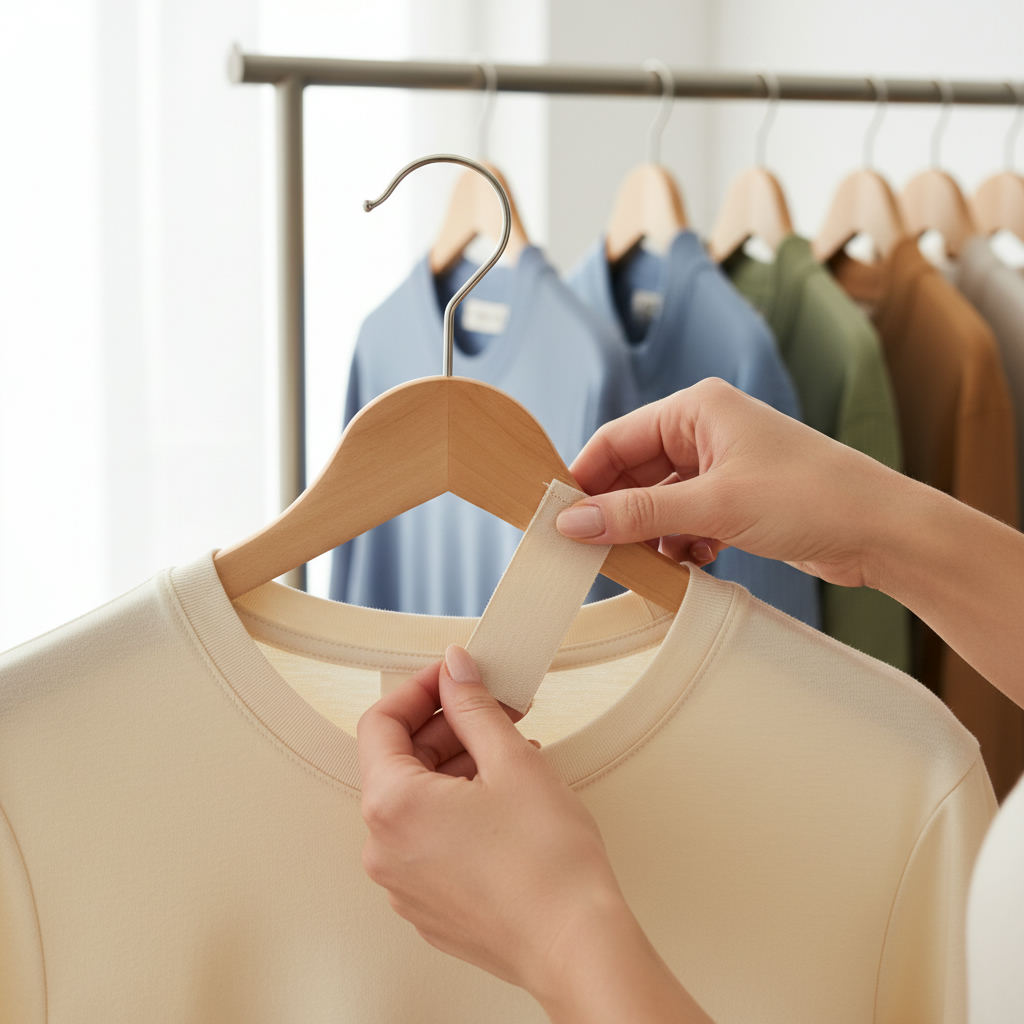
Alright, fellow flippers! Let me tell you, just last week I was cruising through a local thrift store, not really looking for anything specific, just browsing the racks. Then, tucked away on a slightly disorganized hanger, I spotted it: a vintage Patagonia fleece, in excellent condition, with that classic snap-T style. My heart did a little flutter! I grabbed it, did a quick check on my phone, and knew instantly it was a winner. Paid $8, sold it three days later for $75. That's the kind of magic we're chasing when we talk about finding clothing brands worth money at thrift stores.
Related reading: Best Thrift Stores for Resellers in 2026 · Thrift Stores Near Me — Reseller Guide 2026 · How to Shop Vintage Clothing Stores Without Overpaying (2026)
It's absolutely possible to make significant money by reselling clothing in 2026, and this guide will show you exactly which brands to target, how to spot them, and how to turn them into profit. We'll cover everything from identifying high-value items to mastering your selling strategy, ensuring you maximize your earnings from those hidden gems.
Quick answer
To directly answer the question, highly profitable clothing brands at thrift stores generally fall into categories like high-end denim, vintage activewear, designer labels, sustainable fashion, and niche outdoor brands. Resellers can realistically expect profit margins ranging from 50% to over 500% on individual items, translating to potential earnings of $30 to $300+ per flip for a single garment. Focus on quality, condition, and current market demand to consistently identify brands that hold significant resale value.
Why this is profitable right now
The landscape of retail has shifted dramatically, making reselling clothing more lucrative than ever in 2026. There are several key factors contributing to this boom, and understanding them is crucial for any aspiring or seasoned flipper. First, sustainability is no longer just a buzzword; it's a major consumer driver. People are actively seeking out second-hand options to reduce their environmental footprint, preferring to extend the life cycle of clothing rather than constantly buying new. This conscious consumerism directly fuels the demand for pre-owned items across all price points.
Secondly, the rise of online marketplaces has completely democratized reselling. You no longer need a brick-and-mortar store or even a booth at a flea market to reach buyers. Platforms like Poshmark, eBay, Mercari, and Depop offer a global audience hungry for unique finds and designer deals. This accessibility means you can list an item from your living room and connect with a buyer thousands of miles away, dramatically increasing your potential customer base. Social media trends also play a huge role, with influencers popularizing vintage styles and unique pieces, creating viral demand for specific aesthetics that are often best found second-hand.
Finally, the economic climate means more people are looking for value. While some are seeking sustainable options, others are simply trying to get more for their money. This creates a sweet spot for resellers who can offer quality items at prices below retail, but still make a healthy profit. The combination of environmental consciousness, digital marketplaces, and economic practicality makes sourcing clothing brands worth money at thrift stores a highly viable and profitable venture right now. It's not just about finding a good deal; it's about being part of a larger movement that benefits both your wallet and the planet.
What to look for
When you're sifting through racks, keep an eagle eye out for these categories and specific characteristics. This is where the real money is hiding!
High-End Denim
- Brands: Citizens of Humanity, AG Jeans, Paige, Mother, Frame, RRL (Ralph Lauren), Ksubi, Diesel (certain styles), Nudie Jeans.
- What makes it valuable: These brands are known for superior fit, quality fabric, and durability. People pay good money for pre-owned premium denim because it often breaks in beautifully and retails for $150-$300+. Look for unique washes, distressing (if intentional), and popular cuts like straight-leg, bootcut, or skinny (still popular with certain demographics).
Vintage & Outdoor Brands
- Brands: Patagonia, The North Face, Arc'teryx, Columbia (vintage PFG), LL Bean (vintage outerwear), Carhartt (especially vintage Made in USA), Nike (vintage athletic wear, specific Jordans/collabs), Adidas (vintage tracksuits, specific sneakers).
- What makes it valuable: Nostalgia, durability, and a classic aesthetic drive demand. Patagonia fleeces, North Face puffer jackets, and vintage Nike apparel often sell for a premium. Look for older tags, unique colorways, and robust construction. Items from the 80s, 90s, and early 2000s are particularly strong performers.
Designer & Luxury Labels
- Brands: Eileen Fisher, Johnny Was, Lafayette 148, Theory, Tory Burch, Kate Spade, Vince, Reformation, Zimmermann, St. John, Lululemon (specific styles/colors), Free People (unique pieces), Anthropologie (select high-quality items).
- What makes it valuable: Recognizable luxury, high-quality materials (silk, cashmere, merino wool, linen), intricate designs, and strong brand recognition. Even an older piece from a designer can fetch a good price if it's in excellent condition and still stylish. Be wary of fakes, especially with top-tier luxury. Check stitching, hardware, and labels carefully.
Niche & Sustainable Brands
- Brands: Everlane, Girlfriend Collective, Outdoor Voices, Sezane, Frank & Eileen, Universal Standard, Allbirds (shoes, but worth mentioning).
- What makes it valuable: These brands often have a dedicated following due to their ethical production, sustainable materials, or specific aesthetic. Their retail prices are often higher, making second-hand a desirable option for buyers. Look for their signature styles and fabrics.
Vintage T-Shirts & Band Tees
- Brands: Often not about the brand, but the graphic. Look for single-stitch construction, faded prints, obscure bands, movie promos, and travel souvenirs from the 70s, 80s, and 90s.
- What makes it valuable: Rarity, historical significance, and condition. A truly rare vintage band tee can sell for hundreds, even thousands. This is a highly specialized category, but incredibly lucrative if you know what you're doing.
Beyond specific brands, always prioritize condition. A high-value brand in poor condition will fetch very little. Look for minimal wear, no stains, rips, or missing buttons. Material content is also key – natural fibers like silk, cashmere, linen, and organic cotton often command higher prices than synthetics.
How to spot value quickly
Speed is essential when you're thrifting. You can't spend 20 minutes researching every single item. Here are my top strategies for quickly identifying those valuable brands to resell without missing out.
- Know Your Labels: This is the absolute cornerstone. Memorize the logos, fonts, and typical tag designs of the brands I mentioned above, plus any others you personally find success with. The quicker you recognize a good label, the faster you can assess the item. Over time, your eye will become trained to spot specific colors, textures, and fabric drapes associated with quality brands even before you see the tag.
- Feel for Quality: High-end clothing just feels different. Cashmere feels incredibly soft and lightweight. Silk is smooth and drapes beautifully. High-quality denim is often substantial but soft. Avoid anything that feels flimsy, scratchy, or overly synthetic (unless it's a specific athletic performance brand). Get a sense for the weight and construction – thick seams, sturdy buttons, quality zippers are all good indicators.
- Check for Material Content: Always flip to the care tag. Look for natural fibers like 100% cotton, linen, silk, wool (merino, cashmere, alpaca), or blends with a high percentage of these. These materials generally hold their value better and are more desirable to buyers. Avoid items that are 100% polyester or acrylic unless it's a specific trendy item or a performance wear brand like Lululemon.
- Inspect Construction: High-quality garments typically have well-finished seams, neat stitching, and sturdy hardware. Look for double-stitched seams, reinforced stress points, and perfectly aligned patterns. Flimsy buttons, loose threads, and crooked seams are red flags that indicate lower quality, even if the brand name is decent.
- Assess Condition Immediately: Before even considering the brand, give the item a quick once-over for major flaws. Are there any visible stains, rips, tears, or excessive pilling? Are all buttons present? Does the zipper work smoothly? A pristine condition item from a good brand is gold. Even a minor flaw can significantly reduce the resale value, sometimes making an item not worth the effort. Learn what's easily fixable (a missing button, a small loose seam) versus what's a deal-breaker (large stains, significant fabric damage).
- Identify Unique Details: Sometimes it’s not just the brand, but a specific detail that makes an item valuable. Think unique prints, intricate embroidery, special washes on denim, or limited-edition collaborations. These unique elements often indicate a higher original price point and continued desirability in the resale market.
Developing these habits will make you much more efficient in the thrift store. The more you practice, the faster your instincts will become, allowing you to quickly scan racks and pull out potential winners from the masses of less valuable items.
Average profit margins for this category
The profit margins for reselling thrift clothing value can be incredibly lucrative, but they vary widely based on several factors: the brand's desirability, the item's condition, your sourcing cost, and the platform you choose to sell on. Generally, I aim for at least a 3x return on investment (ROI), but often achieve much higher.
Typical Scenarios:
- Everyday Brands (e.g., J. Crew, Banana Republic, Gap - higher quality items): You might buy these for $5-$10 and sell them for $25-$40. After platform fees and shipping, your profit could be $10-$20 per item. For example, buying a J.Crew sweater for $7, selling it on Poshmark for $30 (Poshmark takes 20% commission on sales over $15, so $6 fee), and $7 shipping, nets you about $10 profit.
- Mid-Tier Designer/Outdoor (e.g., Patagonia, Lululemon, Theory, Eileen Fisher): These are usually found for $8-$20 and can sell for $50-$100+. A Patagonia fleece bought for $12 and sold on eBay for $75 (eBay's final value fee for clothing is typically 13.25% of the total sale amount, including shipping, so roughly $10 fee for a $75 item) could net you $45-$50 after shipping.
- High-End Vintage/Designer (e.g., specific Levi's vintage, rare graphic tees, high-end denim like Mother, Zimmermann): These finds are often $15-$30 to source and can flip for $150-$500+. Imagine finding a pair of Mother jeans for $20, selling them on Mercari for $180 (Mercari charges a 10% selling fee, so $18), and $12 shipping. That's a whopping $130 profit!
Platform Fee Breakdown:
- Poshmark: For sales under $15, a flat fee of $2.95. For sales $15 and over, 20% commission. Seller covers shipping, but Poshmark provides a label.
- eBay: Final value fees for clothing generally range from 10% to 15% (often 13.25%) of the total sale amount (item + shipping). PayPal/managed payments fees are also part of this.
- Mercari: 10% selling fee plus a 2.9% + $0.50 payment processing fee.
- Depop: 10% commission fee on the total transaction amount (including shipping).
- Etsy: Transaction fee of 6.5% on the item price, plus a 0.20 listing fee and 3% + $0.25 payment processing fee. More for vintage and unique items, less for everyday apparel.
As you can see, understanding these fees is critical for accurately calculating your potential profit. Always factor them in before you even buy an item. When you're making consistent sales, hitting profit margins of $20-$50 per item can quickly add up to $200 to $500 per week, especially if you're consistently sourcing and listing valuable items. It's all about doing your research and making informed purchasing decisions to maximize the used clothes value you can extract.
Check value before you buy
Okay, so you've spotted a promising piece. Maybe it's a vintage Patagonia fleece, or a pair of high-end denim. Before you commit your hard-earned cash, you HAVE to know what it's actually worth. Guessing is a surefire way to lose money or leave significant profit on the table. This is exactly where FlipAI becomes your ultimate thrifting partner.
FlipAI lets you take a photo of any item or scan its barcode to instantly see current eBay asking prices (live listings, not sold prices) plus an AI estimate. No guessing. No Googling. Just point your camera at anything and know what it is actually worth in about 10 seconds. This is a game-changer when you're in a busy thrift store or at a flea market, where every second counts. You can quickly compare sold listings, filter by condition, and see how similar items have performed across multiple platforms. This immediate access to data allows you to make informed buying decisions on the spot, ensuring you're always picking up profitable inventory.
Beyond just looking up comps, FlipAI’s profit calculator feature is invaluable. You can plug in your potential purchase price, estimate your selling price, and factor in platform fees to get a clear picture of your potential profit before you even reach the checkout counter. No more mental math or guesswork. This tool helps you confidently decide if that item on the rack is truly a flip-worthy score or if it's best left behind. Using tools like FlipAI eliminates the risk and maximizes your potential earnings, making your thrifting trips much more efficient and profitable. Seriously, don't leave home without it.
Where to sell what you find
Once you've got those great finds, you need to know the best places to turn them into cash. Different platforms cater to different types of clothing and buyers, so it's smart to diversify where you list your inventory. Knowing your audience for each item is key!
Online Marketplaces
- Poshmark: Poshmark is fantastic for fashion, especially women's and men's clothing, shoes, and accessories. It has a very social community, and active engagement (sharing your listings, following others) can really boost your sales. It's particularly strong for mid-range to high-end brands like Lululemon, Free People, Anthropologie, and designer denim. The 20% commission can seem high, but the platform makes listing and shipping super easy.
- eBay: The granddaddy of them all! eBay has the broadest audience and is excellent for vintage items, rare finds, collectibles, and specific niches like vintage band tees or designer outerwear. The fees can be complex (13.25% for most clothing, plus payment processing), but the reach is unparalleled. You can also offer auctions or fixed-price listings, giving you flexibility.
- Mercari: Known for its simplicity, Mercari is a great option for almost anything, including a wide range of clothing. With a 10% selling fee, it's often slightly cheaper than Poshmark for comparable items. It’s a good go-to for mid-tier brands and items that might not be 'designer' but are still high quality.
- Depop: This platform is a favorite among younger buyers and sellers, especially for vintage, Y2K fashion, streetwear, and unique individual styles. If you find trendy vintage pieces or unique graphic tees, Depop is a strong contender. Their 10% fee is competitive.
- Etsy: While known for handmade goods, Etsy also has a thriving vintage section. If you find truly unique, older, or one-of-a-kind clothing items (pre-2000s), Etsy can be a premium marketplace. Buyers there often appreciate the unique story behind vintage pieces.
- Facebook Marketplace: Great for local sales to avoid shipping costs and fees. It's often used for bulkier items or things you want to move quickly, but you can also list branded clothing. Be prepared for less committed buyers and arrange safe meetups.
- TikTok Shop: a growing option for video and live sellers; check TikTok's current seller fees before listing.
Pro Tips for Selling:
- Cross-listing: Don't put all your eggs in one basket! Using a tool with crosslisting capabilities, like FlipAI, allows you to list your items on multiple platforms simultaneously, increasing visibility and your chances of a quick sale. Just remember to delist quickly once an item sells to avoid double-selling.
- High-Quality Photos: Good photos are non-negotiable. Use natural light, a clean background, and show the item from multiple angles. Include close-ups of details, fabric, and any flaws.
- Detailed Descriptions: Provide accurate measurements, material content, condition notes, and any relevant styling tips. The more information, the fewer questions from buyers.
- Competitive Pricing: Use FlipAI to check market comps and price your items competitively but still profitably. Be open to offers if you want to move inventory faster.
By strategically choosing your selling platforms and optimizing your listings, you can ensure those profitable thrift store finds reach the right buyers and turn into maximum profit.
Get started
There you have it, flippers! A comprehensive guide to finding those elusive clothing brands worth money at thrift stores in 2026. From learning which labels to hunt for, to mastering quick value assessment, calculating your profits, and choosing the right platforms, you now have the blueprint to turn thrifting into a seriously profitable side hustle, or even a full-time gig.
Remember, success in reselling comes down to knowledge, keen observation, and smart tools. Continually educate yourself on current trends, practice spotting quality, and most importantly, use resources like FlipAI to make data-driven decisions. No more guessing games or missed opportunities.
The satisfaction of finding a hidden gem and knowing its true value is an incredible feeling. Now, armed with this knowledge, you can approach every thrift store run with confidence, knowing you're well-equipped to find the brands that will bring you the biggest returns. Get out there, explore those racks, and start turning those overlooked garments into real cash!
Frequently Asked Questions
Which specific clothing brands are most profitable to resell from thrift stores in 2026?
In 2026, highly profitable brands to look for include premium denim like Citizens of Humanity, Mother, and Paige; outdoor and vintage activewear brands such as Patagonia, The North Face, and vintage Nike; and designer labels like Eileen Fisher, Theory, and Vince. Niche sustainable brands like Everlane and Girlfriend Collective also hold strong resale value. Always prioritize items in excellent condition.
How can I quickly identify valuable clothing items at a thrift store?
Speedy identification involves knowing common valuable brand labels by sight, feeling for high-quality natural fabrics like silk, cashmere, and linen, and checking construction details like sturdy seams and quality hardware. Immediately inspect for any major flaws like stains or rips. Using an app like FlipAI to quickly scan and check market prices is also crucial for on-the-spot valuation.
What kind of profit margins can I expect from reselling thrifted clothing?
Profit margins vary greatly but can be very high. For everyday quality brands, you might see $10-$20 profit per item. Mid-tier designer or outdoor brands often yield $45-$50+ profit. High-end vintage or rare designer items can easily net $100-$300+ per piece. Always factor in platform fees (e.g., eBay 13.25%, Poshmark 20%, Mercari 10%) and shipping costs when calculating potential profit.
What are the best platforms to sell thrifted clothing in 2026?
Top platforms for selling thrifted clothing in 2026 include Poshmark (great for fashion, social community), eBay (broadest audience, good for vintage/rare), Mercari (simple, competitive fees), Depop (popular with younger buyers, streetwear/vintage), and Etsy (for truly unique vintage items). Consider cross-listing on multiple platforms using a tool like FlipAI to maximize visibility and sales.
How important is the condition of an item when reselling thrifted clothing?
Condition is paramount. Even a highly desirable brand will sell for significantly less, or not at all, if it has noticeable flaws like stains, rips, or excessive pilling. Always prioritize items in excellent, like-new, or gently used condition. Minor, easily repairable issues might be acceptable, but major damage is almost always a deal-breaker for profitable resale.