Best Thrift Stores for Resellers in 2026
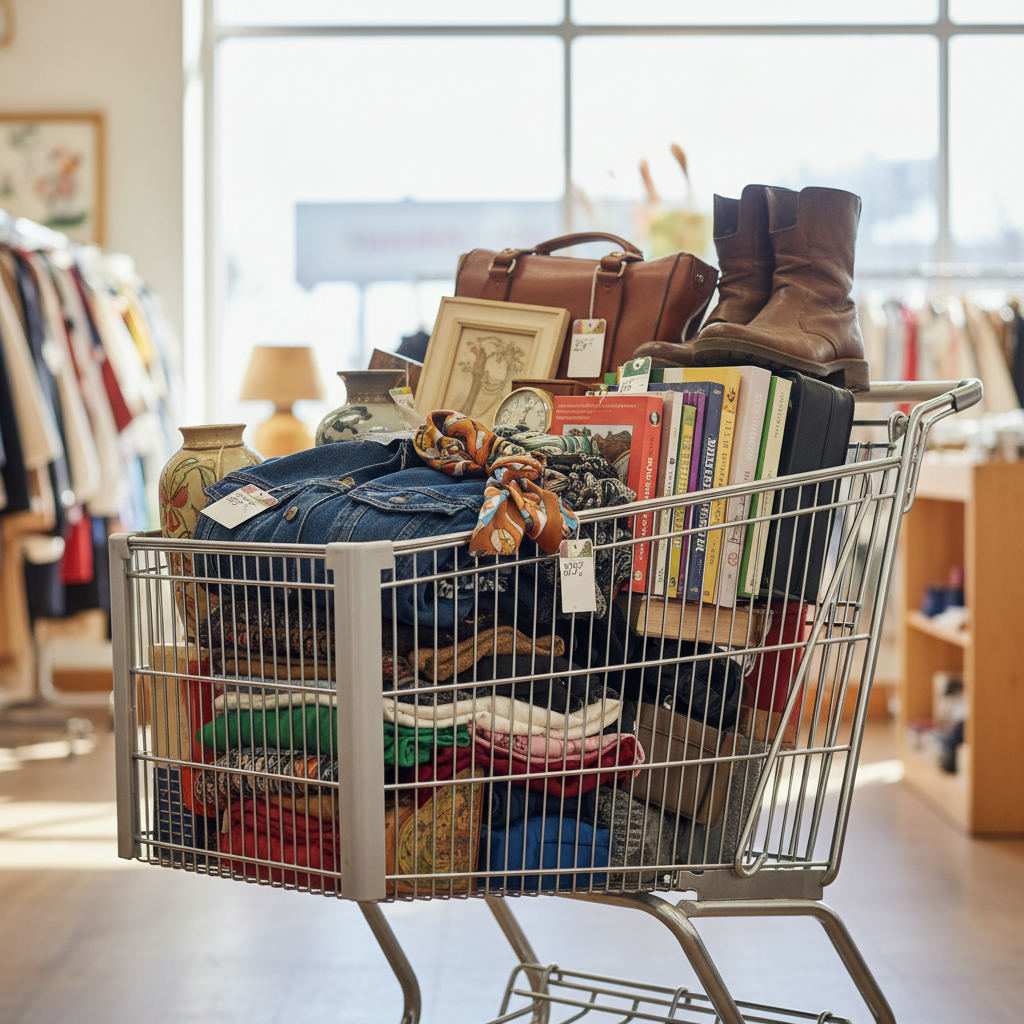
Finding the best thrift stores for resellers in 2026 isn't just about stumbling upon a good deal; it's about strategy, knowing what to look for, and understanding where to sell it. As an expert reseller, I'm here to tell you that the thrill of the hunt is real, and the profits can be even better! This guide will walk you through everything you need to know, from identifying profitable categories to mastering the art of the quick value check, ensuring you leave every thrift store with a treasure chest of items ready to flip. We'll cover what makes certain stores better for sourcing, how to train your eye, and how powerful tools like FlipAI can transform your reselling game.
Related reading: Best Thrift Stores California — Reseller Guide 2026 · Best Items to Flip for Profit at Thrift Stores in 2026 · How to find the best thrift stores near you — 2026 Guide
Quick answer
The most profitable categories found in thrift stores for reselling are vintage clothing, collectible media (vinyl, video games), unique home decor, brand-name electronics, and specialized sporting goods. Resellers can realistically expect profit margins ranging from 50% to over 500% on individual items, translating to an average net profit of $15 to $150 per item, depending on the niche and selling platform.
Why this is profitable right now
The reselling market is absolutely booming, making it an incredible time to dive into thrift flipping. We're seeing a massive shift towards sustainable shopping, with more and more consumers actively seeking out pre-owned items. This isn't just about saving money; it's about unique finds, reducing waste, and often, getting higher quality goods than new fast-fashion options. Social media platforms like TikTok and Instagram have amplified this trend, turning vintage and upcycled items into highly sought-after treasures. People are embracing individuality and conscious consumption, and that's fantastic news for us resellers!
The beauty of sourcing from thrift stores is the sheer volume and variety of inventory available at ridiculously low prices. You're buying items at fractions of their potential resale value, creating massive profit potential. Plus, the barrier to entry is super low. You don't need a huge investment to start; just an eye for value and a bit of hustle. With the right strategies and tools, you can easily turn a $5 thrift store find into a $50, $100, or even $200 sale. The rise of online marketplaces means your customer base isn't limited to your local area; you can reach buyers globally, significantly increasing your chances of a quick and profitable sale. Economic uncertainties also push consumers towards more affordable options, further boosting demand for pre-owned goods. This combination of sustainability trends, online marketplace accessibility, and economic factors makes thrift store reselling one of the most exciting and profitable ventures out there in 2026.
What to look for
When you're walking into any thrift store, whether it's a local mom-and-pop shop or one of the big thrift chains, you need to have a mental checklist. Your goal isn't just to buy anything cheap; it's to find items that have significant resale value. Here’s what I always keep an eye out for:
- Vintage Clothing & Accessories: Think denim jackets (especially Levi's, Lee, Wrangler), band tees, leather goods, designer bags, and unique dresses from the 70s, 80s, or 90s. Always check for tags, material quality (silk, wool, cashmere), and any damage. A small stain might be fixable, but rips and major damage are usually a no-go. Brands like Patagonia, North Face, Harley-Davidson, and older sportswear from Nike or Adidas can fetch great prices.
- Electronics & Gadgets: Retro video game consoles (Nintendo, Sega), vintage cameras, high-quality audio equipment (old receivers, speakers), and even obscure cables or adapters can be goldmines. Test them if possible, and look for original packaging or manuals, which add value. Broken items can sometimes be sold for parts, but stick to working condition for beginners.
- Collectibles & Media: Vinyl records, especially rare pressings or popular artists. First edition books, especially vintage children's books or genre fiction. Board games (complete sets only!), action figures, and sports memorabilia can all be excellent flips. Look up specifics like edition, condition, and completeness.
- Home Decor & Furniture: Unique mid-century modern pieces, vintage pottery (Haeger, McCoy), art glass, ornate mirrors, and well-made wooden furniture. Condition is key here – minor scuffs are fine, but major structural damage or ugly stains usually aren't worth the effort. Brand names often matter less than unique design and quality for home goods.
- Sporting Goods & Outdoor Gear: Quality brand-name golf clubs, specialized camping equipment (Coleman, Kelty), vintage bicycles, and even niche items like tennis rackets or fishing reels. Look for brands known for durability and performance. Trading cards can also be an amazing find, though they are less common in general thrift stores.
- Jewelry: Sterling silver (marked .925), gold (marked 10k, 14k, 18k), and costume jewelry from renowned designers can be incredibly profitable. Always carry a magnifying glass and a magnet to test metals.
- Tools: High-quality hand tools from brands like Snap-on, Craftsman (older models), or Stanley. Power tools can be profitable if they're in working condition and from reputable brands.
Remember, condition is king! A rare item in poor condition will sell for significantly less than a common item in excellent condition. Always scrutinize items for flaws before adding them to your cart.
How to spot value quickly
Speed is essential when you're sourcing thrift stores. The best items often get snapped up fast, so you need to train your eye to recognize value in a flash. My strategy involves a rapid scan and a quick 'touch-and-feel' test. Here’s how I do it:
- Prioritize Sections: Don't try to look at every single item. I usually hit the electronics, collectibles, and then vintage clothing first, as these often have the highest profit margins and quick turnaround. Home goods can be profitable but often require more space and can be slower to sell.
- Brand Recognition: Develop a mental list of desirable brands across different categories. For clothing, think L.L.Bean, Eddie Bauer, vintage Disney, or specific sportswear brands. For electronics, look for Bose, Sony (vintage models), or gaming brands. Over time, you'll instantly recognize these logos.
- Material & Construction: For clothing, feel for natural fibers like silk, linen, wool, or cashmere. These usually indicate higher quality and better resale value than polyester blends. For home goods, pick up ceramics or glassware – heavier, well-made pieces often indicate quality and collectible value. Avoid anything that feels flimsy or cheap.
- Condition Check: A quick visual scan for major flaws. For clothing, check armpits, collars, cuffs, and hemlines for stains, holes, or excessive wear. For electronics, look for obvious damage, missing parts, or corrosion. For hard goods, chips, cracks, or deep scratches can significantly reduce value.
- Unique & Unusual: Sometimes, it's not about the brand, but the uniqueness. A really quirky lamp, a hand-painted piece of art, or an oddly specific gadget can catch a buyer's eye. These require a bit more research but can sometimes yield the biggest surprises.
- Size Matters: For clothing, larger sizes (XL and up) often sell faster and for more money, as they are less common in vintage finds.
Don't be afraid to pull out your phone for a super quick search if something catches your eye but isn't an instant 'yes.' A quick look at eBay's sold listings can confirm if your gut feeling is right. The more you practice, the faster and more accurate your value spotting will become. This skill is critical for maximizing your time and profits during your sourcing trips. Learning how to move quickly through a store and identify potential flips without getting bogged down is a huge advantage for any reseller.
Average profit margins for this category
Alright, let's talk numbers because that's where the real excitement is! When it comes to thrift store reselling, profit margins can be absolutely fantastic. I regularly see items selling for 5 to 10 times what I paid for them. Here’s a breakdown of what you can expect:
- Clothing & Accessories: This category is a consistent performer. If you buy a vintage Levi's denim jacket for $8 and sell it on eBay for $60, after a 13.25% final value fee (around $7.95) and shipping, you're looking at a net profit of about $40-$45. That's a profit margin of over 500%! For a designer handbag bought for $20 and sold for $150 on Poshmark (after a 20% fee or $30), you're still clearing over $100. Even a basic quality t-shirt bought for $2 and sold for $25 can net you $15-$18 profit.
- Electronics & Media: This can be even more lucrative. Imagine finding a vintage Nintendo GameCube for $15. A quick check of sold listings shows it goes for $80-$120. Selling it on Mercari (10% fee or $12, plus processing) for $100, you're making around $70-$75 profit. A rare vinyl record bought for $5 could easily flip for $75-$100, netting you a solid $60-$80.
- Home Decor & Collectibles: Unique items here can have huge markups. A vintage pottery vase bought for $7 could sell for $45. After platform fees, you'd net around $30, a nearly 400% profit. Finding a complete, vintage board game for $10 that fetches $60-$80 will easily give you a $40-$50 profit.
What drives these amazing margins is the low acquisition cost. You're typically paying between $2 and $20 for items that have a proven resale market. While some platforms like Poshmark take a flat 20% fee for sales over $15 (or $2.95 for sales under $15), and eBay's average final value fee is around 13.25% for most categories, Mercari charges a 10% selling fee plus a processing fee, and Depop also charges 10%, the incredibly low cost of goods from thrift stores usually swallows those fees with plenty of room for profit. My aim is always to at least double my money after all fees and shipping, but often, I'm aiming for 3x, 5x, or even 10x! It’s all about smart sourcing and knowing your market values.
Check value before you buy
Okay, so you've spotted something interesting, you've done your quick visual inspection, and your gut says it's a winner. But before you commit your hard-earned cash, you absolutely HAVE to check its real market value. This is where most new resellers make mistakes, buying on assumption rather than data. You need to know what similar items have *actually sold for*, not just what people are asking. This is the critical step to ensure you're making a smart purchase and maximizing your profit potential. Forget guessing games and endless scrolling through forums.
This is precisely where FlipAI becomes your best friend. FlipAI lets you take a photo of any item or scan its barcode to instantly see current eBay asking prices (live listings, not sold prices) plus an AI estimate. No guessing. No Googling. Just point your camera at anything and know what it is actually worth in about 10 seconds. I use FlipAI's barcode scanner constantly in thrift stores. It's lightning fast and gives me the confidence to know I'm making a profitable buy. If an item doesn't have a barcode, I just use the AI vision by snapping a quick pic, and FlipAI does its magic, pulling up comparable market listings. This instant access to real-time market data is a game-changer. It eliminates buyer's remorse and ensures you're always getting items that will move quickly and for a good price. Plus, with the built-in profit calculator you can quickly estimate your net profit right there in the aisle, factoring in platform fees and shipping. It’s like having an expert reselling partner in your pocket!
Where to sell what you find
Once you’ve mastered finding the best thrift stores for resellers and spotting those valuable items, the next step is getting them in front of buyers. Knowing where to sell your finds is just as important as knowing where to buy them. Different platforms cater to different types of items and audiences, so choose wisely!
- eBay: This is my go-to for a vast range of items, especially electronics, vintage collectibles, and niche sporting goods. It has the largest global reach. Be aware of their average 13.25% final value fee (which varies by category) plus payment processing fees. eBay Seller Center is a great resource.
- Poshmark: Absolutely fantastic for fashion—clothing, shoes, and accessories. It's a social marketplace, so engaging with other users is key. Poshmark has a flat 20% commission on sales $15 and over, and a flat $2.95 fee for sales under $15. Shipping is simplified with flat rates. Check out their seller guide.
- Mercari: Great for pretty much anything from electronics to home goods to fashion, similar to eBay but often with slightly lower fees. They charge a 10% selling fee plus a payment processing fee. It's user-friendly and popular. You can find more info at Mercari Sell.
- Etsy: The ultimate platform for vintage (items 20+ years old), handmade, and craft supplies. If you find unique vintage home decor, jewelry, or clothing, Etsy is where they shine. Their fees are a bit more complex (listing fees, transaction fees, payment processing), but the niche audience is worth it for the right items.
- Facebook Marketplace: Excellent for local sales, especially for larger items like furniture or bulky electronics where shipping costs would be prohibitive. It's free to list and negotiate prices directly with buyers.
- Depop: Very popular with Gen Z for vintage and streetwear fashion. It’s highly visual, like Instagram. Depop charges a 10% fee on all sales.
- Shopify: If you're building your own brand or have a high volume of similar items, a dedicated Shopify store gives you full control and branding. It requires more setup and marketing effort but can yield higher margins in the long run.
- Amazon: Best for new or nearly new items, especially those with UPCs, and for high-volume sales. It's more complex for individual sellers but can be very profitable for certain categories.
Don't limit yourself to just one platform! Many resellers use a crosslisting strategy to maximize visibility and sales. Listing an item on multiple platforms means more eyes on your goods, leading to faster sales and often better prices. Just remember to delist quickly once an item sells to avoid double sales!
Get started
So, there you have it! The world of thrifting and reselling is wide open, full of potential profits, and incredibly rewarding. From understanding why now is the perfect time to get into thrift flipping to knowing exactly what to look for and where to sell it, you're now equipped with the knowledge to start your journey. Remember, success in reselling isn't just about luck; it's about developing a keen eye, understanding market demand, and most importantly, making informed decisions on the spot.
The journey of becoming a successful reseller is an exciting one, blending treasure hunting with savvy business practices. Start small, learn as you go, and refine your process. Don't be discouraged by a slow sale or an item that doesn't sell as fast as you hoped. Every trip to the thrift store is a learning experience, honing your skills and expanding your inventory. Your ability to quickly assess value is your superpower, and with tools like FlipAI, you can make those critical buying decisions with confidence, turning cheap finds into significant profits.
Now, go forth, explore those best thrift stores for resellers, and start turning those hidden gems into cash. The perfect flip is waiting for you! Happy hunting, fellow resellers!
Join thousands of resellers already using FlipAIFrequently Asked Questions
What items are most profitable to flip from thrift stores?
The most profitable items often include vintage clothing from popular brands (like Levi's, Patagonia), retro electronics (old gaming consoles, cameras), unique home decor (mid-century modern pieces, art glass), high-quality collectibles (vinyl records, first edition books), and specialized sporting goods. Items in excellent condition with brand recognition or unique design tend to sell best.
How do I find the best thrift stores for reselling in my area?
Look for thrift stores in affluent neighborhoods, as they often receive higher quality donations. Large charity chains like Goodwill or Salvation Army can be good, but smaller local shops or independent thrift stores often have less competition and unique finds. Don't overlook estate sales or local garage sales for higher-end items. Visiting frequently and knowing their restock days can also give you an edge.
What's a good profit margin to aim for when reselling thrifted items?
As a general rule, aim to at least triple your investment after accounting for platform fees and shipping costs. This means if you buy an item for $10, you should aim to sell it for $30 or more to ensure a healthy profit. Many successful resellers achieve profit margins of 300% to 1000% on individual items due to the low initial cost of goods from thrift stores.
How can FlipAI help me with thrift store sourcing?
FlipAI is an invaluable tool for thrift store sourcing because it allows you to quickly verify an item's market value before purchasing. By taking a photo or scanning a barcode, FlipAI instantly shows you real-time market prices across multiple platforms like eBay and Poshmark. This eliminates guesswork, helps you avoid unprofitable buys, and ensures you're investing in items with strong resale potential. It's like having a market expert in your pocket!
What are common mistakes new resellers make at thrift stores?
New resellers often make common mistakes such as buying too much without checking actual sold prices, focusing only on low-cost items instead of high-value flips, ignoring condition issues, or not considering shipping costs and platform fees. Another common pitfall is getting overwhelmed and not having a clear sourcing strategy. Always research before buying and prioritize quality over quantity.