Vintage Style Dresses — What They're Really Worth in 2026
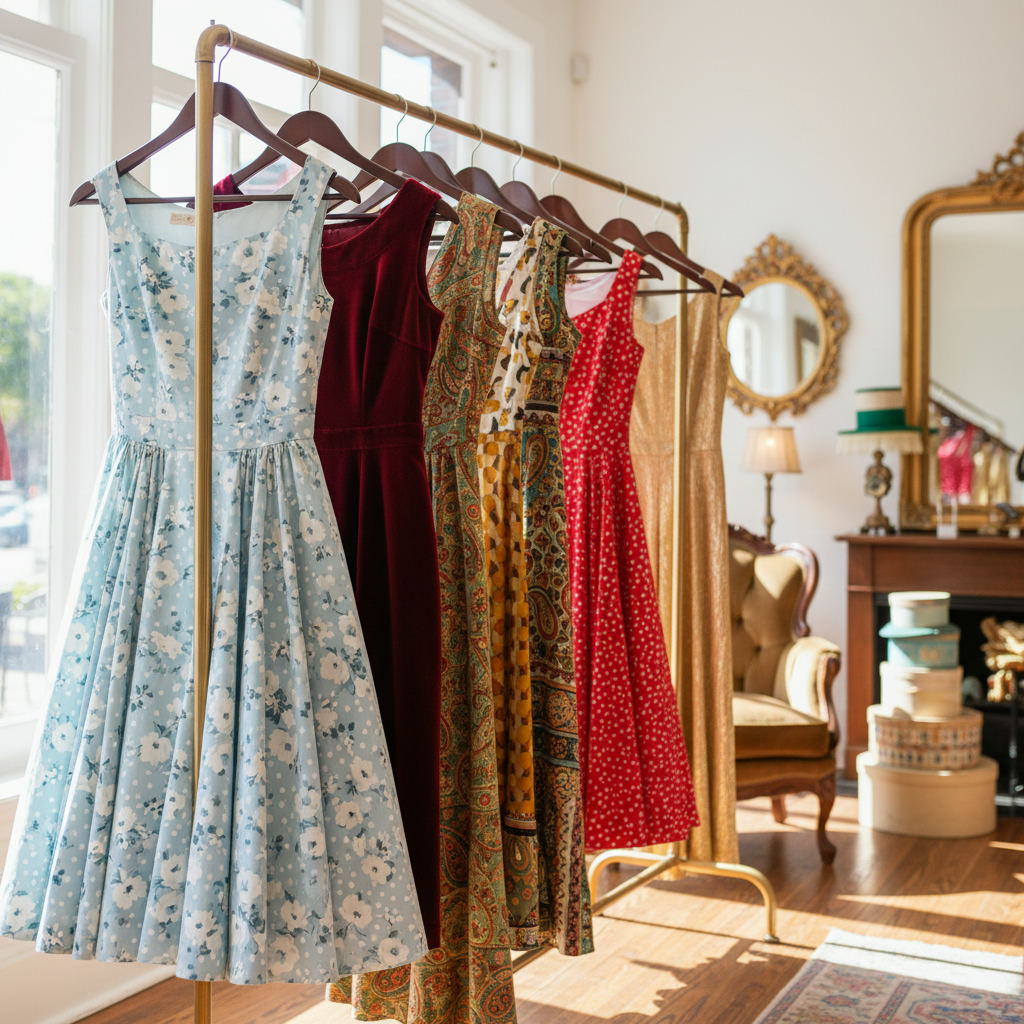
When it comes to understanding the true worth of your cherished fashion finds, this vintage style dresses value guide for 2026 is here to help! Whether you're looking to sell a beloved heirloom, a thrift store score, or a designer reproduction, figuring out the market value of a vintage style dress can feel like a puzzle. But don't worry, my fellow flippers! I'm going to walk you through everything you need to know, from quick price ranges to the best selling platforms and how to maximize your profit. We'll talk about what makes these dresses valuable and how you can use powerful tools like FlipAI to get real-time market data in seconds. Let's dive in and turn those beautiful garments into cold, hard cash!
Related reading: Vintage Toy Value Guide 2026 — Prices by Era · Vintage Levi's Jeans Value — What Your Pair Is Really Worth in 2026 · Vintage Levi's Jeans Value: What Your Pair Is Really Worth in 2026
Quick Answer: What's the Realistic Price Range for Vintage Style Dresses?
Alright, let's get straight to it! The realistic price range for vintage style dresses can swing wildly, but generally, you're looking at anywhere from $30 for a common, mass-produced piece to over $1,000 for a rare, designer, or historically significant item in excellent condition. Most mid-range vintage style dresses, especially those from the 1960s or 1970s with popular silhouettes or unique prints, will typically sell for $75 to $300. High-end designer pieces from names like Dior, Chanel, or even earlier American designers like Bonnie Cashin, can easily command prices from $500 to several thousand dollars, particularly if they're well-documented or have a celebrity connection.
For example, I once found a perfectly preserved 1950s full-skirted party dress (not even designer, just fantastic quality!) at an estate sale. After a quick scan with FlipAI to check comps, I listed it and sold it for $285! On the flip side, I've picked up lovely, but less unique, 1980s floral dresses for $5 and sold them for $40-$50. It really depends on a multitude of factors, which we'll explore next. The key is to know what you have and what similar items have actually sold for, not just what people are *asking*. This is where a tool like FlipAI becomes indispensable, showing you those crucial sold listings. Understanding what buyers are actually paying for a vintage style dress is your first step to making a profit.
Why the Price Varies: Condition, Rarity, and Platform
So, you've got a gorgeous vintage style dress, but why does one go for $50 and another for $500? It all boils down to a few critical factors: condition, rarity, and the platform where it's being sold. Mastering these elements is crucial for any reseller aiming to make real money. Here's my breakdown:
-
Condition is King (or Queen!)
This is probably the single most important factor. A dress in pristine condition, with no visible flaws, stains, tears, or alterations, will always command a premium. Minor flaws like a loose button or a tiny, barely noticeable stain can usually be fixed, but they will impact the value. Major damage, fading, or significant repairs can drastically reduce a dress's worth, often making it unsellable at a high price point. Always be transparent about condition in your listings – photos of any flaws are a must! Think about it: would you pay top dollar for something that needs a lot of work? Probably not.
-
Rarity and Desirability
How unique is the dress? Is it a one-of-a-kind designer piece, a limited edition, or a common mass-produced item? Rarity drives value. Factors contributing to rarity include:
- Designer Label: A recognized name significantly boosts value.
- Age: Generally, older (pre-1970s) dresses tend to be rarer due to fewer surviving examples.
- Fabric/Construction: High-quality, unique, or hand-sewn fabrics and intricate details.
- Popularity of Era/Style: Certain eras like the 1950s (Dior's New Look), 1960s (Mod), or specific 1970s dress resale trends are highly sought after.
- Size: Plus sizes in true vintage are rarer and can fetch higher prices because they are harder to find.
I once stumbled upon a stunning 1960s Courrèges shift dress that, even with a tiny pinhole, sold for over $800 because of its iconic design and the designer's cachet. The more unique and hard-to-find an item is, the more likely a passionate buyer will pay top dollar.
-
Selling Platform & Market Demand
Where you sell your dress matters! Different platforms attract different buyers and have different fee structures. A high-fashion vintage piece might do better on a curated platform like Vestiaire Collective or eBay's higher-end categories, while a more common piece might find its home on Poshmark or Mercari. The current market demand also plays a huge role. Is a certain style or era trending? Keep an eye on fashion trends and pop culture influences. A dress featured in a popular show or movie can suddenly become incredibly desirable. For up-to-the-minute insights on what's hot and where to sell, checking out a reseller guide is always a good idea.
Where to Check Sold Prices, Not Asking Prices
This is probably the most common mistake I see new resellers make: looking at what people are *asking* for an item instead of what it actually *sold* for. Asking prices are just hopes and dreams; sold prices are cold, hard reality. Here's how I find those crucial live market prices:
-
eBay Sold Listings
eBay is my go-to for checking sold comps. It has a massive database of past sales across almost every category imaginable. To find sold listings:
- Go to eBay.com and search for your item (e.g., "1960s floral wiggle dress").
- On the left-hand sidebar, scroll down and check the box that says "Sold Items."
- Voila! You'll see actual prices that buyers paid, along with the date of sale. This is gold, my friends! Pay attention to condition, size, and specific details that match your item.
-
Poshmark & Mercari Sold Listings
These platforms also offer sold filters, which are incredibly useful for clothing, especially for a vintage style dress. For Poshmark, after your search, you can filter by "Availability" and select "Sold Items." On Mercari, after searching, look for the "Filter" option, then "Sold" or "Status: Sold." These give you a great snapshot of what buyers are willing to pay for similar items on those specific platforms.
-
Specialized Vintage Marketplaces
For truly high-end or niche vintage, sites like Etsy (filter by sold), or even more curated platforms that cater specifically to vintage clothing, can offer valuable insights. Sometimes, even digging through old auction house results (like Heritage Auctions or 1stDibs) for true designer vintage can provide high-end comps, though these might be harder to directly translate to standard marketplace sales.
-
Using FlipAI's Market Comps Feature
Honestly, the absolute fastest way to cut through all this manual searching is with FlipAI. Forget opening multiple apps and scrolling through filters. I use FlipAI's market comps feature constantly. I just take a photo of the dress (or scan a tag if it has one), and in about 10 seconds, FlipAI pulls up recent sold listings across eBay, Poshmark, Mercari, and Amazon. It's like having a team of researchers in your pocket, giving you an average selling price and helping you set a realistic price point for your vintage style dress without all the manual grunt work. This instant data is a game-changer for speed and accuracy.
Best Platform to Sell Your Vintage Style Dress
Choosing the right platform is critical, as each has its own audience, fee structure, and selling experience. For vintage style dresses, I usually recommend a mix of these, sometimes even cross-listing to hit a wider audience:
-
eBay: The Broad Market King
Why it's great: eBay has the largest reach and often the highest prices for truly unique or rare vintage items. Buyers actively search for specific decades, designers, and styles. If you have a specific 1970s dress resale item, eBay is where the collectors often look. I've sold everything from a $30 everyday dress to a $700 designer piece here. Fees: Typically around 13.25% final value fee on most clothing items, plus PayPal/managed payments fees. They also offer promotions, so keep an eye out!
-
Poshmark: Fashion-Forward & Social
Why it's great: Excellent for all fashion, including popular vintage style dresses. The social aspect (sharing, following) can really boost visibility. It's user-friendly for both buyers and sellers, and shipping is simplified. I've had great success with 1980s and 1990s vintage on Poshmark. Fees: Flat 20% on sales over $15, and $2.95 for sales under $15. A bit higher, but they handle shipping labels, which is a big convenience.
-
Mercari: The Home of the Deal
Why it's great: Mercari attracts buyers looking for good deals and a wide variety of items. It's straightforward, and while prices might be a bit lower than eBay, items can sell quickly. I often use Mercari for more common vintage pieces or those that didn't move quickly on Poshmark. Fees: A flat 10% selling fee, plus a processing fee of 2.9% + $0.50 per transaction.
-
Etsy: Curated Vintage Vibes
Why it's great: If your vintage style dress is truly unique, handmade-looking, or falls into a specific aesthetic (e.g., cottagecore, bohemian vintage), Etsy is a fantastic option. It has a dedicated vintage section and attracts buyers specifically looking for unique items. You can often get higher prices for well-curated vintage here. Fees: Listing fee of $0.20 per item, plus a 6.5% transaction fee and a 3% + $0.25 payment processing fee.
-
Facebook Marketplace: Local & No Fees
Why it's great: For larger, heavier, or lower-value items you want to sell locally and avoid shipping costs/fees, Facebook Marketplace is brilliant. You can list for free and arrange local pickup. Not ideal for high-end designer vintage but perfect for a quick sale of a more casual piece.
Remember, many resellers use cross-listing tools to put their items on multiple platforms at once, maximizing exposure and increasing the chances of a quick sale. This is something I highly recommend for popular inventory like a desirable vintage style dress!
How FlipAI Shows Current eBay Asking Prices in Seconds
Okay, let's talk about my secret weapon for staying ahead in the reselling game: FlipAI. Seriously, this app has changed how I approach sourcing and pricing. It eliminates so much guesswork and time wasted, especially when I'm out in the field and need to make quick decisions about a potential flip.
Here’s the magic: FlipAI lets you take a photo of any item or scan its barcode to instantly see current eBay asking prices (live listings, not sold prices) plus an AI estimate. No guessing. No Googling. Just point your camera at anything and know what it is actually worth in about 10 seconds.
Imagine this: You're at a bustling flea market, or maybe an estate sale, and you spot a beautiful vintage style dress. Instead of standing there, awkwardly trying to search on your phone, you just open FlipAI, snap a pic, and BAM! You've got real-time sold data right there. This includes a clear indication of the average selling price, which platforms it sells best on, and what similar items have actually fetched. It even has an integrated profit calculator to help you quickly figure out your potential earnings after fees.
This isn't just about speed; it's about accuracy. Knowing the actual sold comps prevents you from overpaying when sourcing and from underpricing when selling. For a niche like vintage style dresses, where exact matches can be rare, FlipAI's AI vision does an incredible job of finding comparable items based on style, era, and features. It's like having an experienced vintage appraiser in your pocket, ready to give you the lowdown on any 1970s dress resale opportunity or other vintage find.
Tips to Get the Best Price for Your Vintage Style Dress
You've found your dress, you know its value, now how do you make sure it sells for top dollar? Here are my tried-and-true tips, honed over years of flipping:
-
Photography is Non-Negotiable
Seriously, this is HUGE. Professional-looking photos make a massive difference. Here's what I do:
- Good Lighting: Natural light is best. Avoid harsh shadows.
- Multiple Angles: Front, back, sides, close-ups of details (buttons, lace, embroidery, labels, fabric texture).
- Modeled or Mannequin: Shows how the dress hangs and fits. If no mannequin, a flat lay can work, but modeled photos usually sell faster.
- Show Flaws: Be honest! Photograph any minor flaws clearly. Buyers appreciate transparency and it builds trust.
A dress that looks good will always attract more attention and better offers. Don't skimp here!
-
Killer Description & Keywords
Your description needs to be informative, engaging, and packed with relevant keywords. Think about what a buyer would search for:
- Era: "1950s swing dress," "1970s maxi dress."
- Style: "Boho," "Mod," "Glam," "Pin-up," "Flapper."
- Details: "Lace trim," "Puff sleeves," "Velvet," "Polka dot," "A-line."
- Measurements: Crucial for vintage! Always provide flat lay measurements (bust, waist, hips, length, sleeve length).
- Condition: Be detailed and accurate. "Excellent vintage condition, minor faint mark on hem."
- Fabric Content: If known, include this!
The more information you give, the fewer questions you'll get, and the more confident a buyer will be. For example, when listing a 1970s dress resale item, I'll often include terms like "disco," "boho chic," "hippie," and specific fabric types like "polyester knit" or "cotton gauze."
-
Strategic Pricing & Offers
Use your FlipAI comps as a starting point. Price competitively but leave room for offers, especially on platforms like Poshmark and Mercari where negotiating is common. For higher-value items, starting a bit higher and accepting reasonable offers can work. For common items, price to move. Don't be afraid to experiment with slight price adjustments if an item isn't selling.
-
Excellent Customer Service & Fast Shipping
This sounds basic, but it's essential for repeat business and positive feedback. Respond to questions promptly, package your items carefully (a little tissue paper or a thank-you note goes a long way!), and ship as quickly as possible. Happy buyers are return buyers!
-
Clean & Prepare Your Dress
Always present your dress in its best possible state. This means cleaning it (according to its care instructions – be gentle with vintage!), steaming out wrinkles, and making minor repairs (like sewing a loose button) if you're comfortable. A fresh, ready-to-wear dress is far more appealing than one that looks like it just came out of a dusty attic.
Try It Free: See the Value of Your Vintage Style Dresses Today!
You've got the knowledge, now it's time to put it into action! Understanding the true market value of your vintage style dresses is the first step to turning your passion into profit. Don't guess, don't waste hours scrolling through endless listings on different platforms. With FlipAI, you can get real-time, accurate market data for any vintage style dress in seconds.
Whether you're exploring a specific 1970s dress resale opportunity, curious about a 1950s gem, or just starting your reselling journey, FlipAI provides the critical information you need to make smart sourcing and selling decisions. Take advantage of the technology that thousands of other resellers are already using to boost their income and make reselling easier and more profitable. Stop leaving money on the table. You can try FlipAI free with 10 scans to see just how powerful it is. Discover what your vintage style dresses are truly worth today and start flipping like a pro!
Join thousands of resellers already using FlipAIFrequently Asked Questions
How do I determine the value of a vintage style dress?
To determine the value of a vintage style dress, you need to look at several factors: condition, rarity (designer label, age, unique features), current market demand, and importantly, actual sold prices for similar items on platforms like eBay, Poshmark, and Mercari. Tools like FlipAI can help by providing instant market comparisons by simply scanning the item or taking a photo, showing you what similar items have actually sold for, not just what sellers are asking.
Are 1970s dresses valuable in 2026?
Yes, many 1970s dresses can be quite valuable in 2026, especially those that embody iconic styles like bohemian maxi dresses, disco-era glam, or unique designer pieces. The resale value depends heavily on condition, fabric quality, and whether the style is currently trending. Well-preserved 1970s dresses, particularly those made from quality materials or featuring unique prints, can sell for $75 to $300, with rare designer pieces fetching even more.
What's the best way to clean a vintage dress before selling?
The best way to clean a vintage dress before selling is carefully and according to its fabric type. Always check for care tags first. If none exist, handwashing in cool water with a gentle, pH-neutral detergent is often safest, especially for delicate fabrics like silk or rayon. For sturdy cottons, a gentle cycle on cold might be acceptable. Always air dry away from direct sunlight. For very delicate or stained items, professional dry cleaning by a vintage clothing specialist is recommended, but factor that cost into your profit.
What measurements should I include for a vintage style dress listing?
For a vintage style dress, always include accurate flat lay measurements. Key measurements are bust (pit to pit), waist (narrowest part), hips (widest part), total length (from shoulder to hem), and sleeve length (from shoulder seam to cuff). These are crucial because vintage sizing is very different from modern sizing. Providing detailed measurements helps buyers ensure a good fit and reduces returns, especially for a unique vintage style dress.
How does FlipAI help with pricing vintage items?
FlipAI helps with pricing vintage items by providing instant access to live market prices and sold listings across multiple platforms like eBay, Poshmark, and Mercari. Instead of manually searching, you simply take a photo of the vintage item or scan its barcode. FlipAI's AI vision identifies similar items, giving you an accurate estimate of its worth based on recent sales. This real-time data ensures you set competitive prices, whether you're buying or selling a vintage style dress or any other collectible.