How Much Is My Watch Worth in 2026? Real Resale Ranges
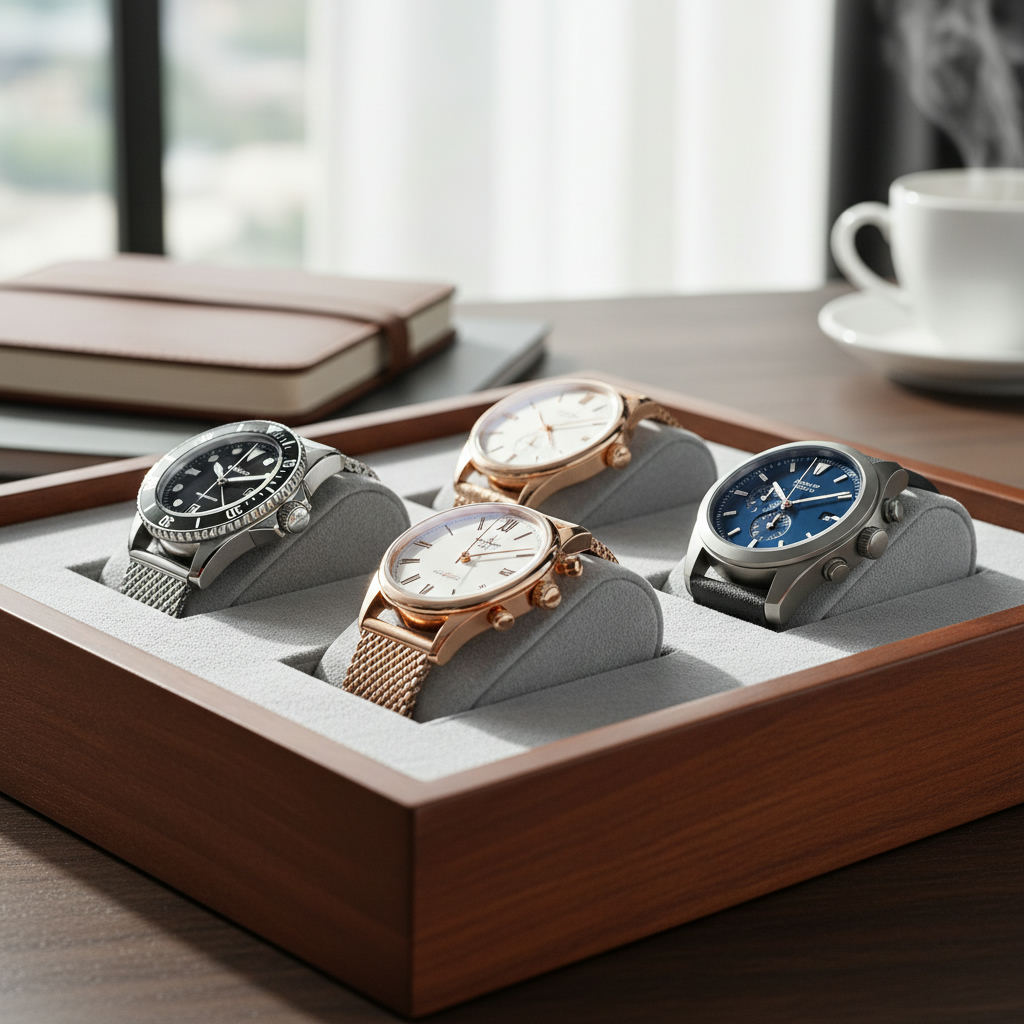
So, you're asking, "how much is my watch worth?" Well, here's the quick answer: in 2026, a pre-owned watch can range anywhere from $20 for a common, mass-produced quartz fashion watch to well over $100,000 for a rare, coveted vintage Patek Philippe or Rolex with significant provenance. Most mid-tier, pre-owned watches from brands like Seiko, Citizen, Tissot, or entry-level Swiss automatics often sell for $50 to $1,500, depending heavily on their condition and model. High-end luxury watches (Rolex, Omega, Cartier) can command $3,000 to $30,000+ even in the pre-owned market. The exact value depends on a ton of factors, which we're going to dive into. Don't worry, by the end of this post, you'll have a clear roadmap to understanding your watch's true market value and how to get the most for it!
Related reading: How Much Is My Jewelry Worth in 2026? Gold, Silver and Costume · How Much Is My iPhone Worth in 2026? Real Resale Numbers · How Much It Worth? Checking Real Resale Value in 2026
Quick Answer: Realistic Watch Resale Ranges in 2026
Let's get right to it! When you're trying to figure out how much is my watch worth, you're looking for a realistic price, not just what someone is *asking* for a similar item. The resale market for watches is booming, and in 2026, there are more avenues than ever to sell your timepiece. Here’s a breakdown of what you can generally expect:
- Everyday Fashion Watches (e.g., Timex, basic Fossil, entry-level Quartz): These typically fetch $10 - $75. If it's a common quartz watch without a brand-name pull, its value is primarily utilitarian. Limited editions or unworn pieces might push the higher end.
- Mid-Tier & Entry-Luxury (e.g., Seiko, Citizen, Tissot, Hamilton, certain Mido, microbrands): Expect $75 - $1,500. This category has a massive range. A vintage Seiko diver in great condition could be worth $500+, while a basic modern Citizen Eco-Drive might be $100. Specific models, movements (automatic vs. quartz), and condition are critical here.
- Luxury & High-End (e.g., Omega, Tudor, Cartier, Breitling, IWC, Grand Seiko, Panerai): These watches can range from $1,500 - $15,000+. This is where the secondary market really thrives. A well-maintained Omega Seamaster can easily bring in $3,000-$5,000, and a sought-after Tudor Black Bay might hit $4,000-$6,000. Rarity, complications, and original box/papers significantly impact the high end.
- Ultra-Luxury & Collectible (e.g., Rolex, Patek Philippe, Audemars Piguet, Vacheron Constantin, independent watchmakers): Values can soar from $8,000 to well over $100,000, even millions for exceptionally rare pieces. A steel Rolex Daytona, for example, consistently sells for above retail on the secondary market, often fetching $20,000-$40,000+. Vintage pieces with unique dials or historical significance can reach stratospheric prices.
Keep in mind, these are broad strokes. Your watch's actual value will be determined by its specific model, age, condition, whether you have the original box and papers, and current market demand. Getting a true valuation requires a bit of digging, but don't worry, it's easier than you think with the right tools!
Why the Price Varies: Key Factors Impacting Watch Resale Value
Understanding the factors that influence your watch's resale value is crucial. It's not just about the brand name; a combination of elements can swing the price by hundreds or even thousands of dollars. When you're trying to nail down that 'how much is my watch worth' figure, consider these:
Condition is King (or Queen!)
This is probably the single biggest factor after brand and model. A watch in excellent, near-new condition will always command a premium over one with visible scratches, dings, or signs of heavy wear. Be honest about your watch's condition:
- New/Unworn: Still has factory stickers, comes with full box and papers, never worn. Highest possible value.
- Mint/Like New: Worn sparingly, no visible scratches or dents, functions perfectly. Very high value.
- Excellent: Minor signs of wear visible under close inspection (e.g., hairline scratches on polished surfaces), functions perfectly. Good value.
- Good: Noticeable signs of wear (scratches, small dings), but no major damage, functions well. Moderate value.
- Fair: Significant wear, deep scratches, dents, possibly needs servicing or minor repairs, but still functions. Lower value.
- Poor/Parts Only: Non-functional, heavily damaged, suitable only for parts or a full restoration. Minimal value, often sold 'as-is.'
Original components matter too. If the crystal, crown, or hands have been replaced with aftermarket parts, it can significantly decrease the watch's vintage watch value, especially for collectors.
Rarity and Demand: The Market's Pulse
Is your watch a limited edition? Was it produced for only a short period? Does it have a unique dial configuration or a historical connection? These factors can drive up the price. High demand for a particular model (think certain Rolex sports models or vintage Omega Speedmasters) means buyers are willing to pay more. Conversely, if a watch was mass-produced or is currently out of fashion, its value will be lower. Keep an eye on trends within the watch community. Sometimes, an obscure model can suddenly become highly sought after, significantly boosting its watch resale value. You can track these trends by looking at completed sales data, which we'll discuss next.
Box, Papers, and Service History: The Full Package
For mid-tier to high-end watches, having the original box, warranty cards, manuals, and a documented service history (especially from authorized service centers) can add 10-20% or even more to the watch resale value. These items provide authenticity and peace of mind to buyers, proving the watch is legitimate and has been cared for. Without them, you might find it harder to sell used watch for top dollar, and some serious collectors might pass on it entirely.
Where to Check Sold Prices, Not Asking Prices
When you're trying to nail down "how much is my watch worth," it's a huge mistake to only look at active listings. Anyone can list a watch for any price, but that doesn't mean it will sell. You need to look at completed sales data to understand what buyers are actually paying. This is where the rubber meets the road!
- eBay Completed Listings: This is a goldmine for understanding real market value. Go to eBay, search for your watch model, then filter the results by "Sold Items" and "Completed Items." This will show you exactly what similar watches have recently sold for. Pay attention to condition, included accessories (box/papers), and whether it was an auction or 'Buy It Now' sale. This data gives you a fantastic baseline for your watch resale value.
- Watch-Specific Forums & Marketplaces: Websites like WatchCharts.com (aggregates data from various sites), Chrono24 (while it shows asking prices, their 'Watch Collection' feature can help estimate value), and dedicated watch forums like Watchuseek or Reddit's r/Watchexchange often have threads or sections for tracking sales. These communities are invaluable for getting a pulse on specific model demand and typical selling prices.
- Auction Houses (for high-value or vintage pieces): If you have a high-end luxury watch or a rare vintage watch, reputable auction houses like Sotheby's, Christie's, Phillips, or Bonhams can provide expert appraisals and have a record of past sales. This is less for everyday watches but crucial for truly significant pieces.
- Dedicated Reseller Platforms: Sites like StockX (for new/unworn luxury watches), The RealReal, or Fashionphile also have sales data for luxury items. While they take a larger cut, their pricing reflects what their curated clientele is willing to pay.
- Using Tools like FlipAI: This is where it gets really easy. Instead of sifting through dozens of eBay listings, FlipAI lets you take a photo of any item or scan its barcode to instantly see current eBay asking prices (live listings, not sold prices) plus an AI estimate. No guessing. No Googling. Just point your camera at anything and know what it is actually worth in about 10 seconds. This is a game-changer for quickly assessing your watch's potential value and getting a solid grasp on its market price. It helps you skip the guesswork and gets straight to the actionable data you need.
Remember, always compare apples to apples. A watch with box and papers will sell for more than one without. A freshly serviced watch will outsell one that needs an overhaul. The more closely your comparison item matches your watch, the more accurate your estimated watch resale value will be.
Best Platforms to Sell Your Watch for Max Profit
Once you know how much is my watch worth, the next step is figuring out *where* to sell it to maximize your profit. Different platforms cater to different types of watches and offer varying fee structures. It’s not a one-size-fits-all answer, so let's break it down:
For Luxury & High-End Watches (Patek, Rolex, Omega, etc.)
- Chrono24: This is arguably the world's largest online marketplace for luxury watches. It has a global reach, a dedicated watch-buying audience, and escrow services for secure transactions. Fees typically range from 3.5% to 6.5% for private sellers, plus processing fees. They also offer a dealer network if you want a quick sale.
- Watch Forums & Communities (e.g., Watchuseek, Reddit r/Watchexchange): These are fantastic for connecting directly with enthusiasts. Fees are often just a small donation or membership fee, meaning you keep more of the profit. However, you're responsible for vetting buyers, handling secure payments (PayPal F&F for trusted members, or G&S with fees), and shipping. You'll need good reputation/references to sell higher-value pieces here.
- Dedicated Luxury Consignment Sites (e.g., The RealReal, Fashionphile): If you prefer a hands-off approach, these sites handle everything from authentication to photography, listing, and shipping. They specialize in luxury goods. The downside? Their commission rates can be steep, often 30-50% or more, depending on the item's value. You'll sacrifice a chunk of your watch resale value for convenience and security.
- Auction Houses: For extremely rare or historically significant pieces, a reputable auction house might be your best bet. They offer global exposure and expertise. Expect commission fees for both seller and buyer, potentially 10-25% for the seller.
For Mid-Tier to Everyday Watches (Seiko, Citizen, Tissot, Fashion Brands)
- eBay: Still a powerhouse for selling a wide range of watches. Its global reach means more potential buyers. eBay's fees vary but are generally around 13.25% for most categories, plus a small transaction fee. You manage the listing, photos, shipping, and customer service. It’s a great place to sell used watch pieces of all values, especially if you have good feedback. External Link: eBay Seller Center
- Mercari: Gaining popularity for its simplicity, Mercari charges a 10% selling fee and a 2.9% + $0.30 payment processing fee. It’s very user-friendly for listing and selling mid-value items.
- Facebook Marketplace & Groups: Great for local sales, avoiding shipping hassle and fees. You can also join watch-specific buy/sell/trade groups for broader reach. Be cautious and always meet in a safe, public place for transactions. No direct selling fees, but you handle all aspects.
- Poshmark: While known for fashion, Poshmark has a growing watch section. Its commission is 20% on sales over $15, which is higher than some other platforms, but includes a simplified shipping label. Good for fashion watches or lower-end mid-tier pieces. External Link: Poshmark Selling Guide
Remember to consider your time commitment, comfort with shipping, and how much interaction you want with buyers. Using tools like crosslisting software can help you list on multiple platforms at once, significantly increasing your chances of a quicker sale.
How FlipAI Shows Current eBay Asking Prices in Seconds
Alright, so you've got a watch in hand, and you're thinking, "Okay, but *really* how much is my watch worth, and can I get this info fast?" This is where FlipAI steps in and makes life incredibly easy for resellers and casual sellers alike. Imagine not having to spend an hour sifting through old eBay listings or trying to guess if that price on Chrono24 is realistic. That's the power of having the right tools!
FlipAI lets you take a photo of any item or scan its barcode to instantly see current eBay asking prices (live listings, not sold prices) plus an AI estimate. No guessing. No Googling. Just point your camera at anything and know what it is actually worth in about 10 seconds. Seriously, it's that quick. Whether you've got a vintage diver, a modern smartwatch, or a classic dress watch, FlipAI's AI vision technology analyzes your watch and pulls up comparable sold listings from across the internet.
Here’s how it works and why it’s a game-changer for determining your watch resale value:
- Instant Price Comps: You literally open the app, point your phone camera at your watch (or its box/barcode if it has one!), and within seconds, FlipAI presents you with recent actual sold prices. This isn't just asking prices; these are what buyers have *paid*. This data is critical for accurate valuation.
- Multi-Platform Data: Instead of checking eBay, then Mercari, then Poshmark manually, FlipAI aggregates data from all the major reselling platforms. This gives you a holistic view of the market, helping you understand where your specific watch might sell best and for what price. This means less time researching and more time actually selling.
- No More Guesswork: "Is this watch rare? Is this a good deal?" FlipAI removes the ambiguity. The data it provides helps you confidently answer "how much is my watch worth" without needing to be an expert horologist. It democratizes market knowledge, putting powerful tools in every reseller's hands.
- Identifying Key Features: While the AI is smart, you can refine your search within FlipAI by adding details like condition, whether it has original box/papers, or specific model numbers. This ensures the comps are as accurate as possible for your particular timepiece.
- Beyond Just Watches: While we're talking watches today, remember FlipAI works for almost *anything* you want to sell. From electronics to sports cards to designer clothes, it's your go-to pricing and valuation tool.
Think of FlipAI as your personal, super-fast market analyst. It empowers you to make informed decisions, ensuring you get the best possible watch resale value without spending hours on research. It's the ultimate tool for any reseller or individual looking to sell used watch items efficiently.
Tips to Get the Best Price When You Sell Used Watch Items
Knowing "how much is my watch worth" is just the first step. To actually achieve that top-dollar price when you sell used watch items, you need to put in a little effort. These tips will help you maximize your profit and attract serious buyers:
1. Presentation is Everything: Clean, Polish, and Photograph Like a Pro
First impressions matter, especially online. A dirty, scratched-up watch photographed poorly will deter buyers or force you to accept a lower offer. Here’s what to do:
- Clean Thoroughly: Use a soft cloth and a little dish soap with warm water (if the watch is water-resistant) to gently clean the case, crystal, and bracelet. Remove any grime, fingerprints, and dust. For leather straps, wipe them down carefully.
- Take High-Quality Photos: This is non-negotiable. Use good lighting (natural daylight is best), a plain background, and take multiple angles.
- Showcase Details: Get clear shots of the dial, crown, case back, clasp, and any unique features. If there are imperfections, photograph them honestly and clearly. Transparency builds trust.
- Capture Movement (if automatic): If it’s an automatic watch, a quick video showing the second hand sweeping smoothly can be a huge plus for buyers.
2. Gather All Original Documentation and Accessories
We touched on this earlier, but it bears repeating: box, papers, warranty card, service records, extra links for the bracelet – all of these significantly boost your watch resale value. They verify authenticity and demonstrate careful ownership. Lay them out nicely and photograph them with the watch. If you don't have them, be upfront about it, but recognize it might slightly impact your asking price.
3. Write a Detailed, Honest Listing Description
Don't be vague! A comprehensive description instills confidence. Include:
- Brand and Model: Exact model name and reference number (often found on the case back or papers).
- Movement Type: Automatic, manual wind, quartz, etc.
- Case Material and Size: (e.g., "38mm stainless steel case").
- Crystal Material: Sapphire, mineral, acrylic.
- Condition: Be brutally honest. Describe any scratches, dings, or wear. "Excellent condition with minor desk diving marks on clasp" is better than "perfect."
- Functionality: "Keeps accurate time, all functions working" or "needs a new battery."
- Included Accessories: List everything that comes with the watch.
- Service History: If available, mention the date of the last service.
4. Set a Realistic Price & Be Prepared to Negotiate
Using FlipAI and researching completed sales gives you a solid benchmark for your watch resale value. Price your watch competitively, perhaps slightly above your target to allow for negotiation. Be ready for offers, especially on platforms like eBay or Facebook Marketplace. Don't be offended by lower offers; it's part of the game. Having a profit calculator handy can quickly tell you your break-even point after fees.
5. Choose the Right Platform(s) and Consider Cross-Listing
As discussed, different platforms cater to different types of watches. For maximum exposure, consider cross-listing your watch on multiple platforms. Tools like FlipAI (which also offers cross-listing features) or other dedicated cross-listing solutions can save you hours of manual work. Just remember to remove listings from other platforms once your watch sells!
6. Secure Shipping & Insurance
For valuable watches, always opt for insured shipping with signature confirmation. This protects both you and the buyer. Factor shipping costs into your pricing strategy or charge separately. Using a reputable carrier like UPS, FedEx, or USPS Priority Mail for domestic shipments is standard. For international, be aware of customs and duties.
Try It Free: Discover Your Watch's True Value with FlipAI
So, you've got a watch, or maybe a whole collection, and you're ready to get a real answer to "how much is my watch worth" in 2026. You've seen how condition, rarity, and market demand play huge roles, and you're now armed with the knowledge of where to look for sold prices, not just asking prices. The good news is, you don't have to become a watch valuation expert overnight. FlipAI is designed to make this process incredibly simple and fast for you, whether you're a seasoned reseller or just selling an item from your personal collection.
Why spend precious hours sifting through forums and scrolling through endless sold listings when you can get the core data in seconds? FlipAI eliminates the guesswork and gives you the confidence to price your watch accurately and sell it for the best possible price. No more wondering if you're leaving money on the table or pricing yourself out of the market. Its powerful AI vision means you can identify similar items and pull up real-time market data with just a snap of your camera. It's truly like having a personal market analyst in your pocket!
Ready to unlock the potential of your watch and other items? You can try FlipAI free with 10 scans to see for yourself how easy it is to get instant market prices. It's the smartest way to start your reselling journey or simply clear out some items around the house. Stop guessing and start knowing! Your next great flip could be just a scan away. We're talking real numbers, real profit, and a whole lot less headache. Don't miss out on maximizing your watch resale value.
Frequently Asked Questions
How do I find out the exact model of my watch?
To find your watch's exact model, look for a reference number on the case back, often a series of letters and numbers. Sometimes it's on the side of the case or hidden under the bracelet. If you have the original box or papers, the model number will be listed there. Once you have this number, you can use search engines or watch databases to find detailed information and images for comparison. This is crucial for accurate valuation.
Does having the original box and papers significantly increase my watch's value?
Yes, absolutely! For mid-tier to luxury watches, having the original box, warranty cards, and any service documentation can increase its resale value by 10% to 20% or even more. These items provide proof of authenticity and provenance, giving buyers confidence. Without them, buyers might be hesitant or expect a lower price, especially for higher-value pieces.
Is it better to sell my watch through an online marketplace or a local jeweler?
It depends on your priorities. Online marketplaces like eBay, Chrono24, or even Facebook Marketplace offer broader reach and potentially higher prices, as you're selling directly to a larger pool of buyers. However, you handle listing, shipping, and buyer interaction, and pay platform fees. A local jeweler or consignment shop offers convenience and immediate payment, but they'll offer a lower price to account for their markup and risk. For maximum watch resale value, an online platform is generally better if you're willing to put in the effort.
How can I tell if my vintage watch is valuable?
Several factors make a vintage watch valuable: brand (Rolex, Omega, Patek Philippe, etc.), rarity (limited editions, unique dials), condition (originality, minimal wear), and provenance (historical significance, original box/papers). Researching completed sales on eBay for similar models, consulting watch forums, and using tools like FlipAI to scan and compare values are excellent starting points. If it's truly high-end, consider a professional appraisal.
What fees should I expect when selling a watch online?
Fees vary significantly by platform. eBay typically charges around 13.25% final value fee for watches. Poshmark charges a flat 20% commission on sales over $15. Mercari charges a 10% selling fee plus a 2.9% + $0.30 payment processing fee. Chrono24 charges 3.5% to 6.5% for private sellers. Factor these fees into your pricing to ensure you hit your desired profit margin. Don't forget potential shipping costs and insurance, especially for valuable items.