How Much Is It Worth? How to Check Any Item's Value in 2026
How Much Is It Worth? How to Check Any Item's Value in 2026
So, you've got something cool in your hand – maybe it's an old collectible, a vintage piece of clothing, or just something you picked up at a garage sale – and the burning question is: how much is it worth? You're in the right place! As a seasoned reseller, I can tell you that accurately assessing an item's value is the absolute cornerstone of making a profit. Guessing leads to losses, but knowing your numbers means more cash in your pocket. In this guide, I'll walk you through exactly how to figure out what your items are truly worth in 2026, so you can price them right and sell them fast. We'll cover everything from quick value ranges to where to find live market prices, and how to use amazing tools like FlipAI to make the process lightning fast. Let's get flippin'!
Related reading: How Much Could I Sell It For? The Reseller's Complete Pricing Guide for 2026 · How Much Is My Sports Card Worth in 2026? · Pokemon Card Value — How to Check What Yours Are Worth in 2026
Quick answer: Realistically, How Much Is It Worth?
When you're trying to figure out "how much is it worth," the quick answer is often a range, because very few items have one static price. For common items in good condition, think anywhere from 20% to 70% of their original retail price, depending heavily on demand and current trends. For example, a popular brand-name dress that retailed for $100 might sell for $40-$60 on platforms like Poshmark if it's still in style and in excellent condition. On the other hand, a rare vintage concert tee could fetch $150-$500 or even more, far exceeding its original cost, especially if it's from a sought-after band or event. Collectibles like graded sports cards can range from a few dollars for a common rookie card to thousands for a rare, high-grade vintage gem. I've seen a rare Pokémon card sell for over $20,000! My best advice for a quick estimate? If it's a common item, expect 30-50% of retail. If it's unique, rare, or vintage, the sky's the limit, but you'll need to do some solid research. The key is to never assume and always look for comparable sold listings, which we'll discuss in detail. Your best bet is to check real market data. This is where tools like FlipAI come into play, offering instant insights into actual sales. Before you even think about pricing, you need to understand the variables that impact that final sale price, which brings us to our next point.
Why the Price Varies: Condition, Rarity, Platform, and More
It's not enough to just know what an item is; you need to understand what makes its value tick. Why does one seemingly identical item sell for $20 and another for $200? There are several crucial factors that dictate an item's true worth and answer the question "how much is it worth?"
Condition is King (or Queen!)
This is probably the most obvious, but often overlooked, factor. A brand new item with tags (NWT) will almost always command a higher price than a pre-owned item in excellent used condition (EUC). Small flaws like a missing button, a tiny stain, or even just general wear and tear can drastically reduce an item's value. Think about a pair of designer jeans: NWT might fetch $70-$100, but a pair with slight fading and a tiny scuff could drop to $30-$50. Be honest and detailed in your descriptions about condition; buyers appreciate transparency. Even more so, understand that certain items, like collectibles or vintage electronics, can plummet in value if they're not in working order or pristine condition. A vintage toy still in its original packaging can be worth 5x-10x more than one that's been played with and is missing accessories.
Rarity and Demand
How hard is it to find your item? Is it a limited edition? A discontinued model? Rarity significantly impacts value. Scarcity drives up demand, and demand drives up prices. A mass-produced item will naturally have a lower value ceiling than a rare, out-of-production piece. But rarity alone isn't enough; there has to be demand for it. A rare, hideous painting nobody wants is still a rare, hideous painting. However, a rare, highly sought-after comic book from the 1940s could easily be worth thousands. Keep an eye on trends too – something that wasn't rare last year might be highly collectible today! This is where staying updated on market trends helps a ton. I regularly check subreddits like r/Flipping to see what fellow resellers are finding success with.
Selling Platform and Fees
The platform you choose also plays a huge role. Different platforms cater to different audiences and have different fee structures. For example, Poshmark charges a flat 20% commission on sales over $15 (or $2.95 for sales under $15). eBay's final value fees can be around 13.25% for most categories, plus an insertion fee for listings beyond a certain number. Mercari charges a 10% selling fee plus a processing fee. These fees directly impact your net profit, so an item that sells for $100 on one platform might net you $80, while on another it might only net $70. Always factor in these costs when you're deciding how much an item is worth to you. Using a tool with a built-in profit calculator can be a game-changer here, showing you exactly what you'll take home.
Seasonality and Trends
Is it a winter coat in July? Or a Halloween costume in March? Seasonality definitely affects prices. Selling items when they're in demand helps you get top dollar. Similarly, viral trends can temporarily inflate the value of certain items. Be quick to capitalize on these but understand they can be fleeting. A hot toy from last Christmas might be worth only a fraction of that this year.
Where to Check Sold Prices, Not Asking Prices
This is crucial! When you're trying to figure out "how much is it worth," you absolutely, positively MUST look at sold prices, not asking prices. Anyone can ask for $500 for a pair of old shoes, but if they've never sold for more than $50, then $50 is closer to their true market value. Here's where to look:
-
eBay Completed Listings
This is the gold standard for many resellers. Go to eBay, search for your item, then on the left-hand sidebar (or in the filter options on mobile), check the box for "Sold listings" and "Completed listings." This will show you exactly what similar items have actually sold for, and when. You can see auction results, accepted best offers, and buy-it-now sales. Pay close attention to condition, included accessories, and shipping costs when comparing. You'll get a clear picture of the item value.
-
Poshmark Sold Listings
Similar to eBay, Poshmark allows you to filter your search results. Search for your item, then scroll down or look for a filter option labeled "Availability." Select "Sold." This will display all items that have recently sold on Poshmark, along with their final sale price. This is particularly useful for fashion items, accessories, and home goods. Remember, Poshmark handles shipping differently, so factor that into your overall pricing strategy. Checking Poshmark's selling guide can offer more insights into their market.
-
Mercari Sold Listings
Mercari also offers a similar functionality. After searching for your item, go to the filter options and select "Sold" under "Status." Mercari is fantastic for a wide range of items, from electronics to clothing to collectibles. Their search results are generally very clean and easy to navigate, giving you a quick snapshot of what's recently moved. The final price shown is typically what the buyer paid, before fees. Mercari's fee structure is transparent, so it's easy to calculate your net profit from these sold listings.
-
Amazon & Google Shopping (for new/modern items)
For items that are still relatively new or in production, checking Amazon or Google Shopping can give you an idea of current retail prices, which helps establish a baseline, especially for electronics or household goods. While these aren't "sold prices" in the same way as marketplace comps, they tell you what buyers are willing to pay for a brand new item, which helps you position your used item competitively. If a new item is selling for $50, you can't realistically expect to get more than that for a used one unless it's a rare variant or collector's edition.
Understanding these different platforms and how to find their sold data is key to mastering sold price lookup. It gives you the confidence to list your items effectively.
Best Platform to Sell It: Maximizing Your Profit Potential
Choosing the right platform to sell your item is almost as important as knowing its worth. Different platforms cater to different types of products and have distinct buyer demographics. Thinking about "what's it worth" also means considering where it will achieve its maximum value. This is where strategic listing comes in. Here’s a breakdown:
- eBay: Best for collectibles (like sports cards, vintage toys, unique electronics), designer goods, automotive parts, and anything with a niche audience. Their auction format can sometimes drive up prices for rare items, and their reach is global. However, competition is high, and fees can add up. Average final value fees are around 13.25%, plus transaction fees.
- Poshmark: The go-to for fashion – clothing, shoes, accessories for women, men, and children. Also great for some home goods. The social aspect of Poshmark encourages engagement, and bundles are popular. Ideal for items ranging from fast fashion to luxury brands. Fees are 20% on sales over $15.
- Mercari: A fantastic general marketplace for almost anything: electronics, home goods, toys, clothing, and even some collectibles. Mercari has a simpler listing process and a broad buyer base. Their 10% selling fee is attractive, making it a good choice for mid-range items.
- Etsy: Perfect for vintage items (over 20 years old), handmade goods, and craft supplies. If you have unique, artisanal, or truly antique pieces, Etsy's audience appreciates and often pays a premium for these. Fees are a 6.5% transaction fee plus a listing fee.
- Facebook Marketplace: Excellent for local sales of larger items that are difficult to ship, like furniture, appliances, or bundles of items. It's free to list, making it appealing for maximizing profit on bulky goods, but requires local pickup.
- Depop/Vinted: Popular among younger demographics, especially for vintage clothing, Y2K fashion, and streetwear. Depop charges a 10% selling fee, similar to Mercari, while Vinted often has no selling fees for the seller.
Sometimes, the best strategy is to list on multiple platforms! This is called crosslisting, and it dramatically increases your item's visibility and chances of a quick sale. Tools exist that help you manage inventory across several marketplaces. Finding a good crosslisting solution can seriously streamline your reselling business.
How FlipAI Shows Current eBay Asking Prices in Seconds
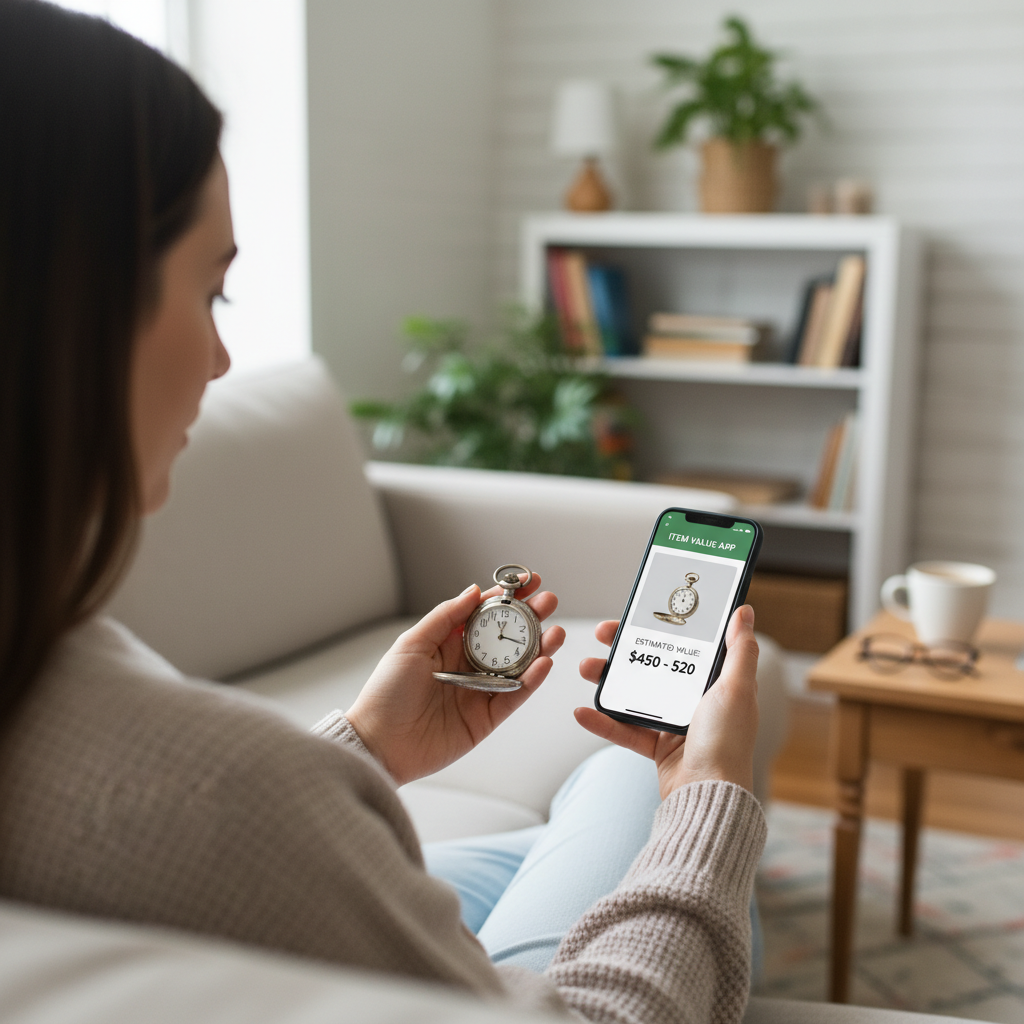
This is where the magic happens and you truly get the answer to "how much is it worth." Gone are the days of endlessly sifting through filters and tabs on multiple sites. I'm talking about getting accurate, real-time sold data faster than you can say "cha-ching." Enter FlipAI. FlipAI lets you take a photo of any item or scan its barcode to instantly see current eBay asking prices (live listings, not sold prices) plus an AI estimate. No guessing. No Googling. Just point your camera at anything and know what it is actually worth in about 10 seconds. It’s like having a superpower for resellers!
Think about it: you're at a thrift store, flea market, or estate sale, and you spot something interesting. Instead of having to open five different apps, type in a description, and then filter for sold listings, you simply whip out your phone, open FlipAI, and either snap a picture of the item or scan its barcode. The app's AI vision technology goes to work, identifying the item and pulling up relevant market listings from all the major marketplaces. You get an immediate, aggregated view of what buyers have actually paid. This instant sold price lookup capability is invaluable. It saves you time, prevents you from overpaying for inventory, and ensures you price your own items competitively. Seriously, this feature alone has transformed how I source and sell. It's not just a convenience; it's a critical tool for any reseller looking to scale their business and consistently know "what's it worth." You'll never leave money on the table again!
Tips to Get the Best Price: Maximizing Your Item Value
Knowing "how much is it worth" is one thing, but actually getting that price (or even more!) is another. Here are my top tips for maximizing your profits and ensuring your item sells for its highest potential value:
-
Impeccable Presentation is Non-Negotiable
This includes clean, well-lit photos and a compelling description. Buyers shop with their eyes. For clothing, iron or steam it. For electronics, wipe away dust and smudges. Use natural light or a good photography setup. Take multiple photos from all angles, highlighting any unique features and, crucially, any flaws. For descriptions, be detailed, honest, and use keywords buyers might search for. Don't just say "blue shirt"; say "Vince Women's Size M Silk Blend Crew Neck Sweater Navy Blue Excellent Condition." The more information, the better.
-
Price Competitively, But Don't Undercut Yourself
Use your sold comps from FlipAI or manual searches to set a fair, market-driven price. If an item consistently sells for $40, don't list it for $20 unless you want it gone yesterday. Conversely, don't list it for $80 and expect a sale. Consider offering "Best Offer" on platforms like eBay to allow for some negotiation, but set a firm bottom line. Remember to factor in platform fees and shipping costs when setting your price so you know your true profit margin. Aim for an average sell-through rate of at least 18-25% to keep your inventory moving.
-
Offer Excellent Customer Service
Quick responses to questions, fast shipping, and friendly communication can make a huge difference. Positive feedback encourages more sales and can help justify a slightly higher price point. Buyers remember good experiences and are more likely to return or recommend you. A well-packaged item with a small thank you note can elevate a good transaction to a great one. This personal touch builds trust and repeat business.
-
Consider Bundling Items
Sometimes, selling items individually might yield a lower profit per item but selling them as a bundle (e.g., three similar books, a set of vintage dishes, or several pieces of a specific brand of clothing) can increase their overall value and appeal. This is especially true for items with a lower individual sale price, where the shipping cost might outweigh the value. Bundling can help you move inventory faster and increase your average order value, answering "what's it worth" for a whole lot of stuff at once!
-
Relist and Revise
If an item isn't selling, don't let it sit! After a few weeks, consider relisting it with fresh photos, a revised description, or a slightly adjusted price. Sometimes just relisting gives it new visibility. Review your pricing against current sold comps – perhaps the market has shifted. Be proactive in managing your listings to keep your inventory fresh and maximize your earning potential. I regularly go through my older listings and update them, especially for seasonal items.
Try It Free: Unlock Your Reselling Potential Today!
So, there you have it! No more guessing, no more leaving money on the table. You're now equipped with the knowledge and strategies to confidently answer "how much is it worth" for virtually any item you come across in 2026. From understanding the nuances of condition and rarity to strategically choosing your selling platform and leveraging powerful tools, you're well on your way to becoming a more profitable reseller. The most important takeaway? Always, always, always base your pricing on live market data, not optimistic asking prices. That's the secret sauce to consistent sales and happy buyers.
And remember, for instant access to those crucial sold prices across all major platforms, FlipAI is your ultimate companion. It streamlines your research, ensures accurate pricing, and gives you back precious time you'd otherwise spend sifting through endless search results. It’s like having a team of expert valuers in your pocket, making sold price lookup effortless. Ready to transform your reselling game?
Download FlipAI free and scan your first item in under 60 seconds.
Frequently Asked Questions
How do I determine the value of a used item?
To determine the value of a used item, you should always look at what similar items have actually sold for, not just what sellers are currently asking. Use platforms like eBay, Poshmark, and Mercari to search for "sold listings." Consider the item's condition, rarity, brand, and current demand. Tools like FlipAI can help automate this process by showing aggregated market data from multiple platforms instantly.
What affects an item's resale value the most?
Several factors heavily influence an item's resale value, with condition being paramount. Items in excellent or new condition will fetch significantly higher prices. Rarity and demand also play a huge role; unique, hard-to-find items with a strong buyer interest will be worth more. Lastly, the platform you choose to sell on and its associated fees, as well as current market trends and seasonality, all impact the final sold price.
Where can I find real-time market prices for collectibles?
For collectibles, eBay's 'Sold listings' filter is often the best resource, as it has a vast database of transactions. Poshmark and Mercari are also excellent for certain types of collectibles, especially clothing or smaller items. For sports cards, sites like PSA Card and Beckett can provide grading services and price guides based on authenticated sales. Always compare against actual completed sales, not just active listings.
Is there an app that tells you how much something is worth?
Yes! Apps like FlipAI are specifically designed to tell you how much something is worth. You can take a photo of an item or scan its barcode, and FlipAI will instantly show you real-time market prices from major marketplaces like eBay, Poshmark, and Mercari. This eliminates manual searching and provides quick, accurate valuation data directly to your phone, making your reselling process much more efficient.
Should I sell my item on eBay, Poshmark, or Mercari?
The best platform depends on your item. eBay is ideal for a wide range of items, including collectibles, electronics, and unique pieces, due to its broad reach. Poshmark excels for fashion, clothing, and accessories with its social selling features. Mercari is a great general marketplace for almost anything, offering a straightforward selling experience. Consider each platform's fees, audience, and your item's category to make the most informed decision.