How to Shop Vintage Clothing Stores Without Overpaying (2026)
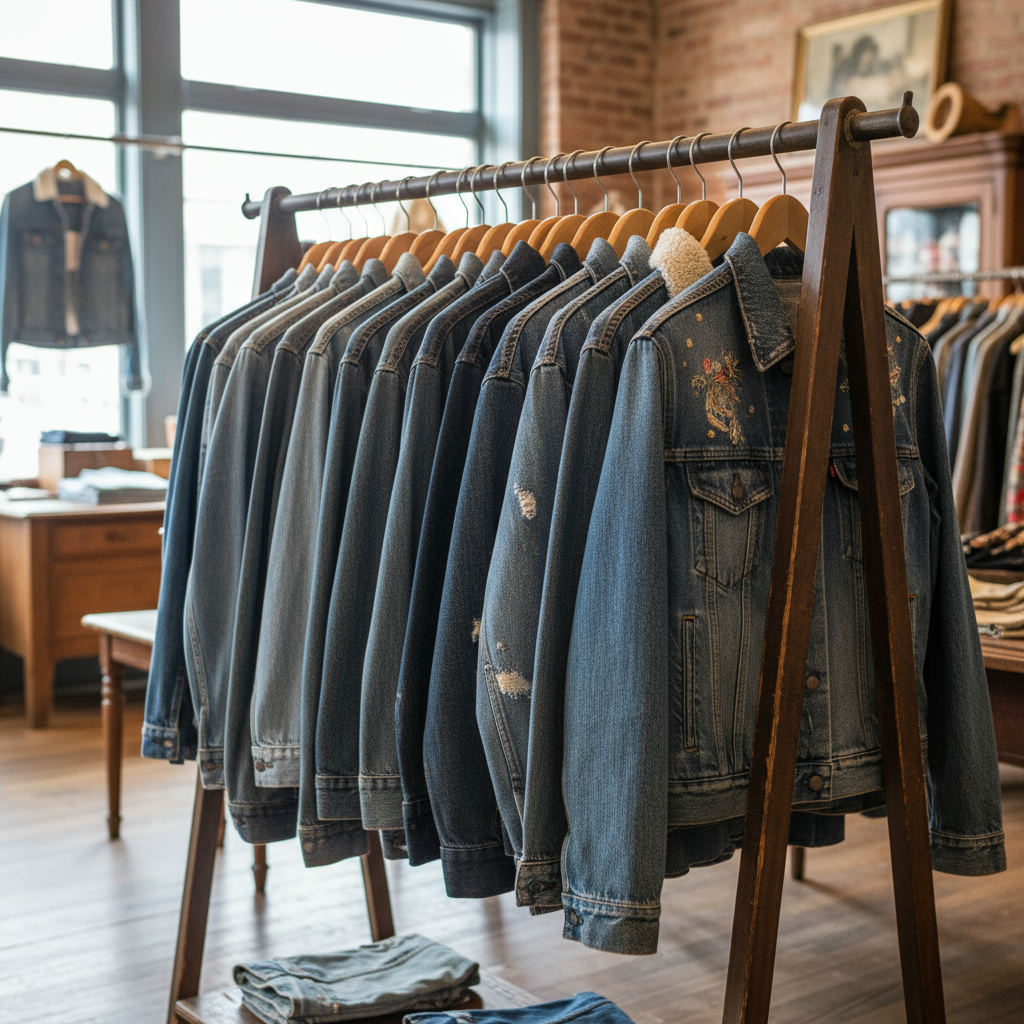
Knowing how to shop vintage clothing stores effectively means understanding what's currently in demand, recognizing quality, and accurately valuing items before you buy. With the right strategy, you can turn a fun treasure hunt into a profitable reselling venture, potentially earning hundreds or even thousands of dollars each month!
Related reading: Where to Sell Vintage Clothing Online in 2026 · Vintage Levi's Jeans Value — What Your Pair Is Really Worth in 2026 · Vintage Levi's Jeans Value: What Your Pair Is Really Worth in 2026
As an expert reseller, I've spent countless hours sifting through racks, and I'm here to share my best tips and tricks. This guide will walk you through finding hidden gems, identifying valuable brands, and using powerful tools like FlipAI to make sure every purchase is a smart one. Get ready to transform your vintage shopping trips into serious money-making opportunities!
Quick answer
Profitable vintage clothing categories for reselling include designer denim, specific band tees, Y2K fashion, classic workwear brands like Carhartt and Levi's, and high-quality outerwear. Resellers can realistically achieve profit margins ranging from 50% to over 200%, turning items bought for $5-$20 into sales of $30-$100 or even significantly more for rare pieces.
Why this is profitable right now
The allure of unique, sustainable, and often better-made clothing continues to drive a booming market for vintage items. Fashion trends are increasingly cyclical, with styles from the 80s, 90s, and early 2000s constantly being rediscovered and reinterpreted. This creates a high demand for authentic pieces that often can't be replicated by modern fast fashion. Consumers, especially younger generations, are also more conscious about sustainability and ethical consumption, making vintage a guilt-free and stylish choice.
What makes this even more profitable for resellers is the pricing discrepancy. Many thrift and vintage stores, particularly those not specializing in high-end fashion, may not accurately price items based on their true market value. This is where your keen eye and knowledge come in! You can snatch up a forgotten designer piece for a fraction of its potential resale price. The online marketplace has also expanded dramatically, meaning your potential buyers aren't just local; they're global. Platforms like eBay, Poshmark, Mercari, and even TikTok Shop connect you to millions of buyers actively searching for unique vintage finds. This broad reach increases both your chances of selling and the potential sale price.
With an increasing number of online influencers showcasing their vintage hauls and styling tips, the appetite for vintage clothing is only growing. This trend isn't slowing down anytime soon, making 2026 an excellent year to dive into reselling vintage clothing. Understanding what sells and where to find it cheaply is key, and I'm going to spill all my secrets to help you get started!
What to look for
When you're honing your skills on how to shop vintage clothing stores, it's not just about what looks cool; it's about what sells. Focus on these categories and characteristics to maximize your profit:
Designer Brands & Quality Fabrics
- High-End Designers: Always keep an eye out for labels like Ralph Lauren (especially older Polo Sport, Stadium, Snow Beach lines), Tommy Hilfiger, Calvin Klein (vintage denim!), Burberry, Versace, Gucci, and Chanel. Even non-designer brands known for quality like L.L.Bean, Eddie Bauer, or Pendleton can fetch good prices.
- Material Matters: Natural fibers like silk, cashmere, wool, linen, and real leather or suede are almost always more desirable than synthetic blends. Check for fabric content tags. Quality denim (Levi's, Lee, Wrangler – especially older "Made in USA" tags) is also a consistent winner.
- Construction: Look for well-made items with sturdy stitching, quality zippers (YKK is a good sign), and intact buttons. These indicate durability and a better original value.
Popular Styles & Eras
- Y2K Fashion (Late 90s-Early 2000s): Think velour tracksuits, low-rise jeans, baby tees, slip dresses, cargo pants, and anything with a playful or nostalgic vibe. Brands like Juicy Couture, early Abercrombie & Fitch, and even vintage graphic tees from this era are hot.
- 80s & 90s Aesthetics: Oversized denim jackets, windbreakers, graphic sweatshirts (especially sports, cartoon, or university themes), band tees, and colorful geometric patterns.
- Classic Workwear: Carhartt jackets and pants, Dickies work shirts, and vintage Levi's jeans (501s, 505s, 550s – check the red tab!) are consistently popular due to their durability and timeless style.
- Outerwear: Vintage leather jackets, bomber jackets, puffer coats, and unique trench coats can be big sellers, especially from recognized brands.
Unique & Niche Items
- Band T-shirts: Authentic vintage band tees, especially from classic rock or punk bands, can sell for hundreds or even thousands of dollars. Look for tour dates, specific concert graphics, and signs of age.
- Sports Memorabilia Apparel: Vintage NFL, NBA, MLB, and NHL gear (jackets, jerseys, t-shirts, hats) from specific teams or championship years can be highly sought after.
- Deadstock: Items that are new with tags but vintage can command a premium, especially if they are from a desirable brand or era.
When you're browsing "vintage clothing stores near me," don't be afraid to pull out your phone and do a quick search if a label or style catches your eye. This leads us to our next crucial step – quickly spotting value!
How to spot value quickly
Time is money, especially when you're rummaging through racks at a busy vintage shop. Developing a quick eye for value is essential for successful reselling. Here's my pro process:
- The Fabric Hand Test: Before even looking at a label, feel the material. Does it feel soft, substantial, or luxurious? Cashmere, silk, thick cotton, and quality wool almost always indicate a better garment than a thin polyester blend. This tactile inspection can save you time on less valuable items.
- Tag Scan & Brand Recognition: Your eyes should immediately dart to the brand tag. Learn to recognize key vintage clothing brands. Beyond the obvious designers, look for older labels of mainstream brands (e.g., specific Levi's tags indicating pre-1980s production, older Nike or Adidas logos). Familiarize yourself with how these tags change over time. If you see a name you don't immediately recognize but the fabric feels good, it's worth a second look.
- Construction & Condition Check: A quick glance for quality stitching, metal zippers (especially YKK), and reinforced seams can indicate a well-made piece. Simultaneously, do a rapid condition check: Are there visible stains? Rips? Missing buttons? While some minor flaws can be fixed or overlooked for rare items, major damage significantly reduces value.
- Era Clues: Look at the garment's overall cut, style, and unique embellishments. Shoulder pads, specific collar shapes, wide leg openings, or certain graphic designs can quickly signal a specific decade (80s, 90s, Y2K) that is currently trending.
- Pattern & Print Appeal: Some patterns are timelessly popular or highly collectible. Think intricate floral designs, specific geometric patterns, or novelty prints. A unique, eye-catching pattern on a good quality fabric is often a winner.
By combining these visual and tactile cues, you can rapidly filter through dozens of items in minutes, homing in on the pieces with the highest resale potential. This approach allows you to efficiently scour "vintage shops near me" and walk away with profitable finds every time. Remember, speed and accuracy are your best friends here!
Average profit margins for this category
The beauty of reselling vintage clothing is the potential for impressive profit margins, often much higher than buying new retail items. While results vary, I've consistently seen strong returns in this niche. For a typical piece, you might buy it for $5-$15 from a thrift store or a less specialized vintage shop.
- Low-End Profit: For a popular, but not rare, vintage graphic tee or a pair of classic Levi's 550s, you might sell them for $25-$40. If you bought it for $10, and after a 13.25% eBay fee and a few dollars for shipping supplies, your profit could still be around $10-$20, representing a 100-200% return on your initial investment.
- Mid-Range Profit: A vintage Carhartt jacket or an older designer denim jacket bought for $20-$40 could easily sell for $75-$150. After platform fees (e.g., Poshmark's 20% on items over $15) and shipping, you're looking at a $40-$80 profit, translating to a 100-200% margin.
- High-End Profit: This is where the real money is made. A rare vintage band tee, a specific Polo Sport jacket, or a pristine high-end designer piece bought for $30-$75 could sell for $200, $500, or even upwards of $1000. Imagine buying a vintage concert tee for $50 and selling it for $400 after fees – that's a 700% profit!
Keep in mind that fees vary by platform. eBay's final value fees are typically around 13.25% for clothing, plus a small transaction fee. Poshmark charges a flat $2.95 for sales under $15 and 20% for sales $15 and over. Mercari charges a 10% selling fee plus a processing fee. Depop also charges 10% on the sale price. Always factor these into your pricing strategy. My personal goal is always at least a 100% ROI, meaning I want to double my money after all expenses. With vintage clothing, this is very achievable if you source smart.
Check value before you buy
This is arguably the most critical step in ensuring profitability when you how to shop vintage clothing stores. Never, ever guess! The reseller's secret weapon isn't just a good eye; it's instant access to market data. You want to know what an item is truly worth in the current market, not just what someone is asking for it. This means looking at sold prices, not just active listings.
This is where FlipAI becomes your absolute best friend. Forget trying to manually search on different platforms while juggling clothes. FlipAI lets you take a photo of any item or scan its barcode to instantly see current eBay asking prices (live listings, not sold prices) plus an AI estimate. No guessing. No Googling. Just point your camera at anything and know what it is actually worth in about 10 seconds. This incredible tool gives you the confidence to know you're making a smart purchase every single time. It helps you avoid overpaying for items that might look cool but don't have strong resale value, and ensures you don't miss out on underpriced gems.
I can't stress enough how much time and money FlipAI's instant value checks save me. I use its AI vision to quickly scan a rack of "vintage clothing brands" I'm interested in, pull up comps, and then its built-in profit calculator helps me decide if an item is worth my hard-earned cash and effort. It's like having an expert appraisal right in your pocket. Knowing your potential profit margin before you even get to the register changes the game completely. Don't leave your profits to chance – empower yourself with real-time data!
Where to sell what you find
Once you've mastered how to shop vintage clothing stores and loaded up on profitable inventory, the next step is selling it! Different platforms cater to different types of vintage clothing and buyers. Here’s a breakdown:
Online Marketplaces
- eBay: Still the king for a reason. eBay has a massive audience and is excellent for unique, higher-value vintage pieces, especially authentic band tees, rare sports memorabilia, and specific designer items. You can use auction-style listings for highly sought-after items or fixed-price listings for more consistent sellers. eBay's fees typically hover around 13.25% for clothing, plus a 30-cent transaction fee. Mastering eBay Resales can significantly boost your profits.
- Poshmark: Fantastic for fashion-forward vintage, particularly Y2K, 90s, and branded casual wear. Poshmark buyers are often looking for specific styles and are more visual. It's very social, and sharing your listings is key. Poshmark takes a flat $2.95 commission for sales under $15 and 20% for sales $15 and over.
- Mercari: Good for a broad range of vintage, often for a slightly lower price point than Poshmark or eBay, but with quick sales. Mercari's fees are a straightforward 10% selling fee plus a 2.9% + $0.50 processing fee.
- Etsy: Ideal for truly unique, artisanal, or very specific niche vintage items, especially if they have a handmade or craft feel. The audience here is often looking for something special and is willing to pay for it. Etsy's seller fees are generally lower, with a listing fee, transaction fee, and payment processing fee.
- Depop: Hugely popular with younger buyers, especially for streetwear, Y2K, and alternative vintage styles. It's very image-focused, like an Instagram for clothes. Depop charges a 10% commission fee on the sale price.
Local & Specialty Options
- Facebook Marketplace & Local Buy/Sell Groups: Great for bulk sales, larger items (like vintage jackets), or when you want to avoid shipping. Often best for lower-value items where fees might eat into profit too much.
- Flea Markets & Pop-Up Shops: If you enjoy the in-person selling experience, renting a booth at a local flea market or joining a vintage fair can be a great way to move inventory and connect with buyers directly. Discovering Flea Market Opportunities can help you find events.
To maximize your reach and sales, I highly recommend cross-listing your items across multiple platforms. Tools like FlipAI can even help with this, saving you hours of manual work. Remember, the more eyes on your unique finds, the faster they'll sell!
Get started
You're now equipped with the knowledge of how to shop vintage clothing stores like a seasoned pro! From identifying profitable categories and specific "vintage clothing brands" to quickly spotting value and leveraging powerful tools like FlipAI, you have a clear roadmap to success. The vintage clothing market in 2026 is ripe with opportunity, offering a fun, sustainable, and highly profitable path for new and experienced resellers alike.
Start small, gain confidence, and refine your eye. Visit local thrift stores, consignment shops, and specialty vintage boutiques. Don't forget to use FlipAI to instantly check market prices before making a purchase – it's the ultimate safeguard for your profits. With every successful flip, you'll sharpen your skills and grow your business. This isn't just about making money; it's about uncovering unique treasures, giving them new life, and contributing to a more sustainable fashion cycle. Happy hunting!
Start your 5-day free trial and flip smarter today
Frequently Asked Questions
What vintage clothing brands are most profitable to resell?
Highly profitable vintage clothing brands often include classic workwear like Levi's (especially older "Made in USA" tags), Carhartt, and Dickies. Designer labels such as vintage Ralph Lauren (Polo Sport), Tommy Hilfiger, and Calvin Klein denim also do very well. Don't overlook authentic band tees, sports memorabilia apparel from specific eras, and high-quality outdoor brands like L.L.Bean or Eddie Bauer.
How do I find vintage clothing stores near me?
The best way to find vintage clothing stores near you is to use online search engines like Google Maps with terms such as "vintage clothing stores near me" or "thrift stores." Also, check out local Facebook groups for your city or town, as members often share recommendations for hidden gems. Don't forget about estate sales, flea markets, and local consignment shops which often have vintage sections.
What's the best way to check the value of vintage clothing before buying?
The absolute best way is to check real-time market prices on major reselling platforms. Tools like FlipAI allow you to take a photo of an item or scan its barcode to instantly see what similar items have actually sold for on eBay, Poshmark, Mercari, and more. This data-driven approach prevents you from overpaying and ensures you're making a profitable purchase.
What are the common profit margins for reselling vintage clothing?
Profit margins in vintage clothing reselling can be excellent, often ranging from 50% to over 200%. For example, buying a vintage tee for $10 and selling it for $30 after fees yields a 100% profit. Rarer items, like a vintage designer jacket bought for $50 and sold for $250, can generate profits of 400% or more, making it a very lucrative niche.
Which platforms are best for selling vintage clothing?
The ideal platform depends on the item. eBay is great for high-value or unique pieces and has a vast audience. Poshmark excels for fashion-forward items and branded casual wear. Mercari offers quick sales across a broad range. Etsy is perfect for very unique, artisanal vintage, while Depop caters to younger buyers and streetwear. Cross-listing items across multiple platforms is often the best strategy for maximizing sales.