Buy, Sale, Trade Near Me — 2026 Local Selling Guide
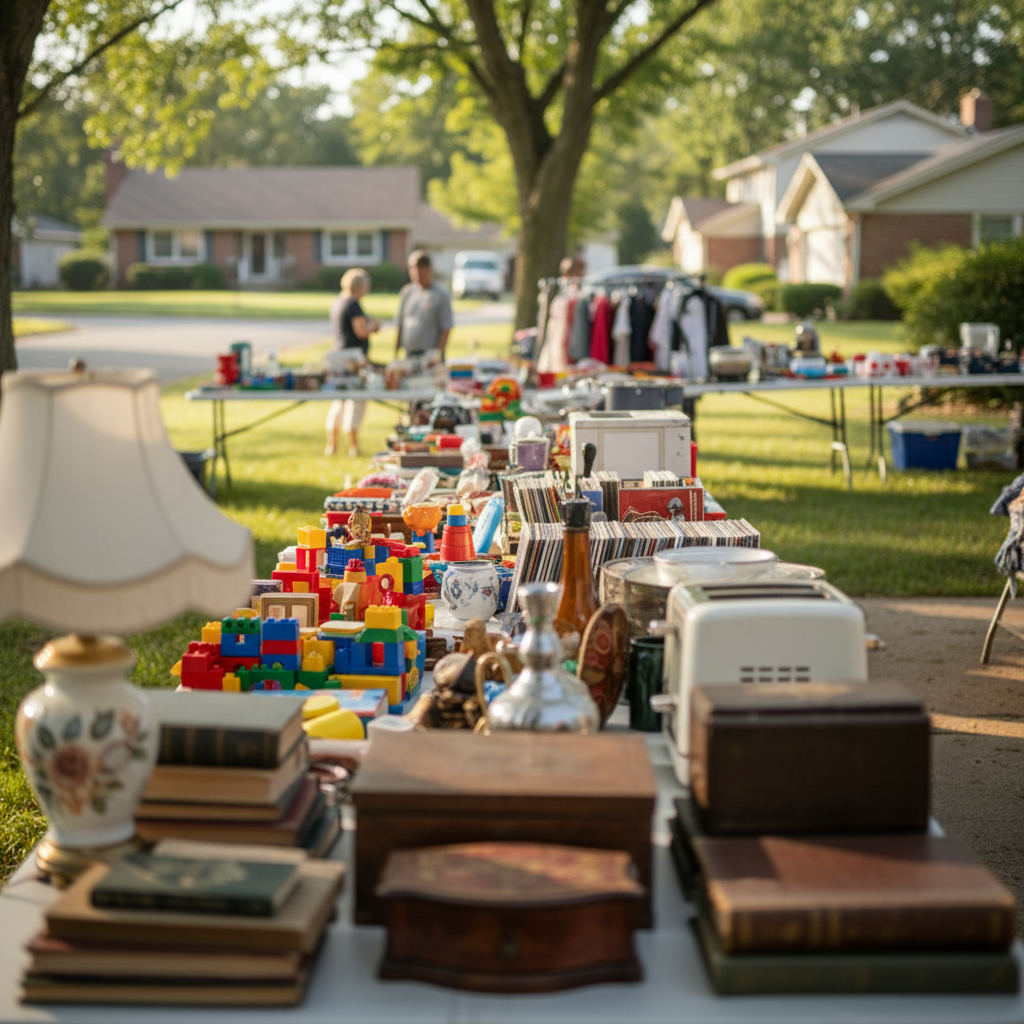
If you're asking 'where can I buy sale trade near me?' the answer is multifaceted, offering incredible opportunities for resellers to turn everyday items into profit right in their local communities. As an expert reseller with FlipAI, I've seen firsthand how focusing on local transactions can streamline sales, reduce shipping costs, and build a loyal customer base. This guide will walk you through the top platforms and strategies to dominate your local reselling game in 2026, helping you understand item value and maximize your earnings. Whether you're decluttering, flipping, or just looking to connect with local buyers, you'll find the insights you need here.
Related reading: Selling Collectibles Locally vs Online in 2026 — Net Payout Compared · Selling Coins to a Local Dealer in 2026 — Offers vs Market Value · Selling Cards to a Local Card Shop in 2026 — What They Really Pay
Quick Answer – Top 3 Places to Sell Locally
When you're looking to buy sale trade near me, certain platforms stand out for their effectiveness in connecting local buyers and sellers. My top three go-to spots for local transactions are:
- Facebook Marketplace: This is a powerhouse for local sales. With billions of users, a significant portion of whom are active in local buy/sell groups, you can reach a massive audience without paying listing fees. It's fantastic for anything from furniture and electronics to clothing and collectibles. The direct messaging feature makes communication easy, and meeting up in public places is generally straightforward. Plus, they've been introducing new features like local delivery options, making it even more convenient.
- Craigslist: The original local classifieds giant still holds its own, especially for larger items that are difficult to ship or for niche items where buyers are actively looking for local deals. While its interface might feel a bit dated compared to newer apps, its reach in specific communities remains strong. Safety is paramount here, so always meet in well-lit, public areas and consider bringing a friend.
- OfferUp/LetGo (now merged): This platform specializes in mobile-first local transactions. It’s incredibly user-friendly, allowing you to list items quickly with just a few photos from your phone. It has a robust rating system, which helps build trust between buyers and sellers. It's great for everything from household goods to vehicles, and its 'chat' feature streamlines negotiations.
Each of these platforms offers unique advantages for local selling, but the common thread is the ability to connect directly with people in your geographic area. This means faster sales cycles, no shipping hassles, and often, higher profits because you're eliminating those costs. But how do you know what to price your items at? That's where smart tools come in handy. I always recommend using a reliable pricing tool like FlipAI before listing anything. Checking item value before you list is crucial for maximizing your profits and ensuring quick sales.
Platform-by-Platform Breakdown: Fees and Audience for Each
Understanding the nuances of each platform is key to successful local selling. While the primary goal is often to buy sell and trade near me without shipping, some platforms offer hybrid models that combine local pickup with shipping options. Let's break down the most popular choices, focusing on their typical audience and fee structures.
Facebook Marketplace
- Audience: Extremely broad, appealing to almost everyone with a Facebook account. It's excellent for everyday household items, furniture, electronics, clothing, and even vehicles. Local community groups often cross-post items from Marketplace, expanding your reach.
- Fees: Primarily free for local pickup transactions. If you offer shipping (which is optional for local listings), Facebook takes a 5% selling fee (or a flat $0.40 for items $8.00 and under). For local transactions, it's essentially 0%, making it highly attractive for maximizing profit margins.
- Pros: Huge user base, no fees for local pickup, integrated messaging, easy listing process, ability to join local buy/sell groups.
- Cons: Can attract a lot of lowball offers, occasional no-shows for meetups, requires a Facebook account.
Craigslist
- Audience: Diverse, often attracts bargain hunters, those seeking specific niche items, or people looking for large items like furniture or appliances where shipping isn't practical. It's more text-based and less visually driven than other platforms.
- Fees: Almost entirely free for individual sellers. Some categories like 'cars and trucks by dealer' or 'apartment rentals' have small posting fees, but for general merchandise, it's free.
- Pros: Free to list, strong for large/heavy items, effective for niche markets, simple posting process.
- Cons: Outdated interface, higher risk of scams/spam (requires vigilance), no integrated payment or messaging, no buyer/seller rating system.
OfferUp/LetGo
- Audience: Primarily mobile users looking for local deals on a wide range of goods, from clothing and accessories to electronics, home decor, and even cars. The platform fosters a sense of community through profiles and ratings.
- Fees: Free for local pickup. If you choose to offer shipping, OfferUp charges a service fee of 12.9% (minimum $1.99). They also offer paid promotions to boost visibility.
- Pros: User-friendly mobile app, easy photo-based listings, integrated chat, buyer/seller ratings for trust, strong local focus.
- Cons: Shipping fees can be high if you opt for that, can still encounter lowball offers.
Other Local Options & Considerations
- Nextdoor: Excellent for hyper-local sales within your specific neighborhood. Great for borrowing tools, selling small household items, or finding local services. Free to use.
- Local Consignment Shops: If you have higher-end clothing, accessories, or furniture, consignment can be an option. They handle the sale for you, but take a significant cut (often 40-60% of the selling price).
- Flea Markets & Swap Meets: For those who enjoy in-person selling, setting up a booth at a local flea market can be very profitable. You'll pay a stall fee (e.g., $25-$100 for a day), but keep 100% of your sales beyond that. This is a fantastic way to offload many smaller items at once. Find a flea market app here.
- Local Trade Groups: Many communities have dedicated Facebook groups or online forums specifically for local trading or swapping. These are ideal if you're looking to exchange items rather than sell for cash, making it a true 'buy sell and trade near me' experience.
Each of these options has its sweet spot. The key is to match your item type and selling goals with the right platform. But before you even think about listing, you need to know your item's worth.
How to Know What Your Item is Worth Before You List
One of the biggest mistakes new resellers make is guessing their item's value. This often leads to either underselling and leaving money on the table, or overselling and having items sit unsold for weeks. To truly master the art of how to buy sale trade near me profitably, accurate pricing is non-negotiable. Here's my process:
1. Research Completed Sales (Comps)
The golden rule of reselling pricing is to always look at "comps" (comparable sold items). Don't look at active listings, as those are just asking prices. You want to see what buyers actually *paid* for similar items. eBay's 'Sold Listings' filter is your best friend here. You can filter by condition, brand, and even specific model numbers to get a highly accurate read.
2. Consider Condition and Completeness
Is your item new with tags (NWT)? New without tags (NWOT)? Excellent used condition (EUC)? Or does it have flaws? These factors significantly impact price. A NWT item will always command more than one with wear. Also, consider completeness: does it have its original box, accessories, manuals? For electronics, the original box can add 10-20% to the value. For collectibles, a complete set is worth far more than individual pieces.
3. Factor in Demand and Seasonality
Is your item in high demand right now? Swimsuits sell better in spring/summer, winter coats in fall/winter. Popular electronics or trending fashion items will always move faster and often for higher prices. Keep an eye on trends – what's hot this year might be old news next year.
4. Check Multiple Platforms
Prices can vary across different marketplaces. An item might sell for more on Poshmark (known for fashion) than on Mercari (more general). Cross-referencing helps you find the sweet spot and decide where to list your item for maximum profit.
5. Account for Your Time and Effort
While local sales eliminate shipping, there's still time involved in listing, communicating, and meeting up. If an item is only going to net you a few dollars after all that, sometimes it's not worth the effort. Learn to identify items with good profit potential quickly.
This research process used to be tedious, bouncing between apps and websites. But honestly, that's where modern tools like FlipAI come in and totally change the game. It’s what I use every single day to make sure I’m always pricing right.
How FlipAI Prices Anything Instantly
You know that feeling of finding something amazing at a yard sale or thrift store, but having no idea what it's *really* worth? Or maybe you're just looking to sell locally and want to make sure you're getting top dollar without waiting forever. That's where FlipAI becomes your superpower.
FlipAI lets you take a photo of any item or scan its barcode to instantly see current eBay asking prices (live listings, not sold prices) plus an AI estimate. No guessing. No Googling. Just point your camera at anything and know what it is actually worth in about 10 seconds.
Imagine you're at a local estate sale, and you spot an interesting vintage ceramic vase. Instead of trying to quickly Google "vintage ceramic vase sold prices" and sifting through a ton of active listings that might not reflect real market value, you just pull out your phone. With FlipAI's AI vision feature, you snap a pic of that vase, and BAM! You instantly see what similar vases have actually sold for across various platforms. You'll know if it's a $20 flip or a $200 treasure.
It's not just for thrift stores or estate sales either. If you're decluttering your own home and want to sell locally through Facebook Marketplace or OfferUp, FlipAI gives you the competitive edge. You can confidently set your price based on real data, which helps your items sell faster and for more money. No more agonizing over whether you're asking too much or too little.
This kind of instant, data-driven insight is essential for anyone serious about reselling, especially for local transactions where speed and accuracy can make all the difference. Knowing your item's true market value means you can negotiate confidently and secure the best possible deal, whether you're buying something to flip or selling something you no longer need. I use FlipAI's market comps to get a feel for the market.
Pro Tips for Getting More Money When You Sell Locally
Once you know what your item is worth, it's time to put some strategies into action to ensure you get top dollar and make your buy sale trade near me experience seamless. These pro tips come from years of active reselling.
1. Craft Compelling Listings
- High-Quality Photos: This is non-negotiable. Use good lighting (natural light is best), multiple angles, and clear, in-focus images. Show any flaws honestly. People buy with their eyes.
- Detailed Descriptions: Include brand, model, dimensions, condition, color, material, and any relevant history. Answer potential questions before they're asked. For example, for a vintage couch, list "Mid-century Modern Sofa, 80 inches wide, excellent used condition, pet-free home."
- Keyword Optimization: Think like a buyer. What would they type into the search bar? Include those keywords in your title and description.
2. Master the Art of Communication and Negotiation
- Prompt Responses: Respond quickly to inquiries. Buyers often message multiple sellers, so being first can secure the sale.
- Be Polite and Professional: Even if you get a lowball offer, respond respectfully. "Thanks for your offer! My asking price is firm at X, but I appreciate you reaching out."
- Set a Minimum Price: Before you list, decide the absolute lowest you're willing to accept. This helps you negotiate confidently without feeling pressured. If you priced an item at $100 and it's worth $120, you might be comfortable accepting $90, but not $50.
3. Prioritize Safety for Local Meetups
- Public Meeting Places: Always meet in well-lit, public locations like coffee shops, grocery store parking lots, or even police station "safe exchange zones."
- Bring a Friend: If possible, especially for larger transactions or items, bring someone with you.
- Cash Only (or Secure Digital Payment): For local transactions, cash is king. If using digital payment apps (Venmo, PayPal Friends & Family), confirm the payment is received before handing over the item.
4. Price Competitively (but Profitably)
While you want to get top dollar, you also want your item to sell. Using FlipAI's market comps, you'll know the market range. If you want a quick sale, price toward the lower end of that range. If you're willing to wait, aim for the higher end. For example, if a sold comp shows an item selling for $40-$60, pricing at $45 can ensure a faster sale while still making a solid profit. Pricing at $65 might mean it sits longer but gets you more.
5. Cross-list for Wider Reach (Even Locally)
Don't limit yourself to just one platform. List your item on Facebook Marketplace AND OfferUp. The more eyes on your item, the faster it will sell. Just remember to remove listings promptly once an item is sold. Many resellers use tools like FlipAI's crosslisting feature to manage listings across multiple platforms without duplicating effort. Learn more about crosslisting here.
6. Offer "Bundles" or Discounts for Multiple Items
If you have several related items, consider offering a slight discount if a buyer takes more than one. "Buy this lamp for $30, get the matching end table for $20 (usually $30)." This encourages larger sales and helps you move inventory faster. This is especially effective in local trade groups where buyers are often looking for deals on sets of items.
By implementing these strategies, you're not just listing an item; you're creating an optimal selling experience that attracts serious buyers and secures better prices. The more professional and prepared you are, the more successful your local reselling ventures will be.
Get Started: Your 2026 Local Reselling Journey Awaits!
There you have it, future reselling rockstar! Understanding how to effectively buy sale trade near me in 2026 isn't just about picking a platform; it's about strategic pricing, compelling listings, smart communication, and prioritizing safety. We've covered the best local options like Facebook Marketplace, Craigslist, and OfferUp, detailed their fees and audiences, and emphasized the critical importance of knowing your item's true worth before you even think about listing it.
Remember, the goal is to turn those forgotten items into cash, and a huge part of that is confidence in your pricing. Guesswork leads to lost profits or endless waiting. With tools like FlipAI, you remove the uncertainty and empower yourself with real-time market data. This allows you to list confidently, negotiate effectively, and move your inventory quickly, whether you're selling a single item or managing a growing reselling business. Don't leave money on the table; let data guide your decisions.
The local reselling scene is vibrant and full of opportunity. By focusing on high-quality listings, responsive communication, and safe transaction practices, you'll build a reputation as a reliable seller and attract repeat buyers. So, go forth and conquer your local marketplace!
Try FlipAI free with 10 lifetime scans — no credit card required.Frequently Asked Questions
What are the best platforms to buy and sell items locally?
For local transactions, Facebook Marketplace is a top choice due to its massive user base and zero fees for local pickup. OfferUp (merged with LetGo) is another excellent mobile-first option with a strong local focus and user ratings. Craigslist remains viable for large or niche items. Nextdoor is great for hyper-local sales within your immediate neighborhood. Each platform caters to slightly different audiences and item types, so consider where your specific item will get the most traction.
How do I determine the value of an item before I sell it locally?
The most effective way is to research 'comps' – comparable sold items. Platforms like eBay allow you to filter for 'Sold Listings' to see what similar items have actually sold for, not just what people are asking. Consider the item's condition (new with tags, used, flaws), completeness (original box, accessories), and current market demand. Tools like FlipAI can help immensely by instantly showing you real-time market prices across multiple platforms with just a photo or barcode scan.
Are there fees for selling locally on platforms like Facebook Marketplace or OfferUp?
For local pickup transactions, both Facebook Marketplace and OfferUp are generally free for sellers. You keep 100% of your sale price. However, if you opt to offer shipping on these platforms, they do charge a selling fee. Facebook Marketplace takes 5% (or a $0.40 minimum for items under $8), and OfferUp charges 12.9% (minimum $1.99). Craigslist is almost entirely free for individual sellers regardless of the transaction type.
What are some safety tips for local meetups when selling items?
Safety is paramount for local transactions. Always arrange to meet in a well-lit, public location. Popular choices include coffee shops, grocery store parking lots, or designated 'safe exchange zones' at police stations. It's advisable to bring a friend or family member with you, especially for larger items or higher-value transactions. For payment, cash is generally preferred. If using digital payment apps, confirm the funds have been successfully received and cleared before handing over your item.
How can I get more money for my items when selling locally?
To maximize your local selling profits, focus on creating compelling listings with high-quality, well-lit photos and detailed, keyword-rich descriptions. Respond promptly and politely to inquiries, even lowball offers. Use a tool like FlipAI to accurately price your item based on real-time market data, ensuring you're competitive but profitable. Consider cross-listing your item on multiple platforms (e.g., Facebook Marketplace and OfferUp) to reach a wider audience, and remember to offer bundles or slight discounts for buyers purchasing multiple items.