Best Thrift Stores to Flip Items — 2026 Guide
Best Thrift Stores to Flip Items — 2026 Guide
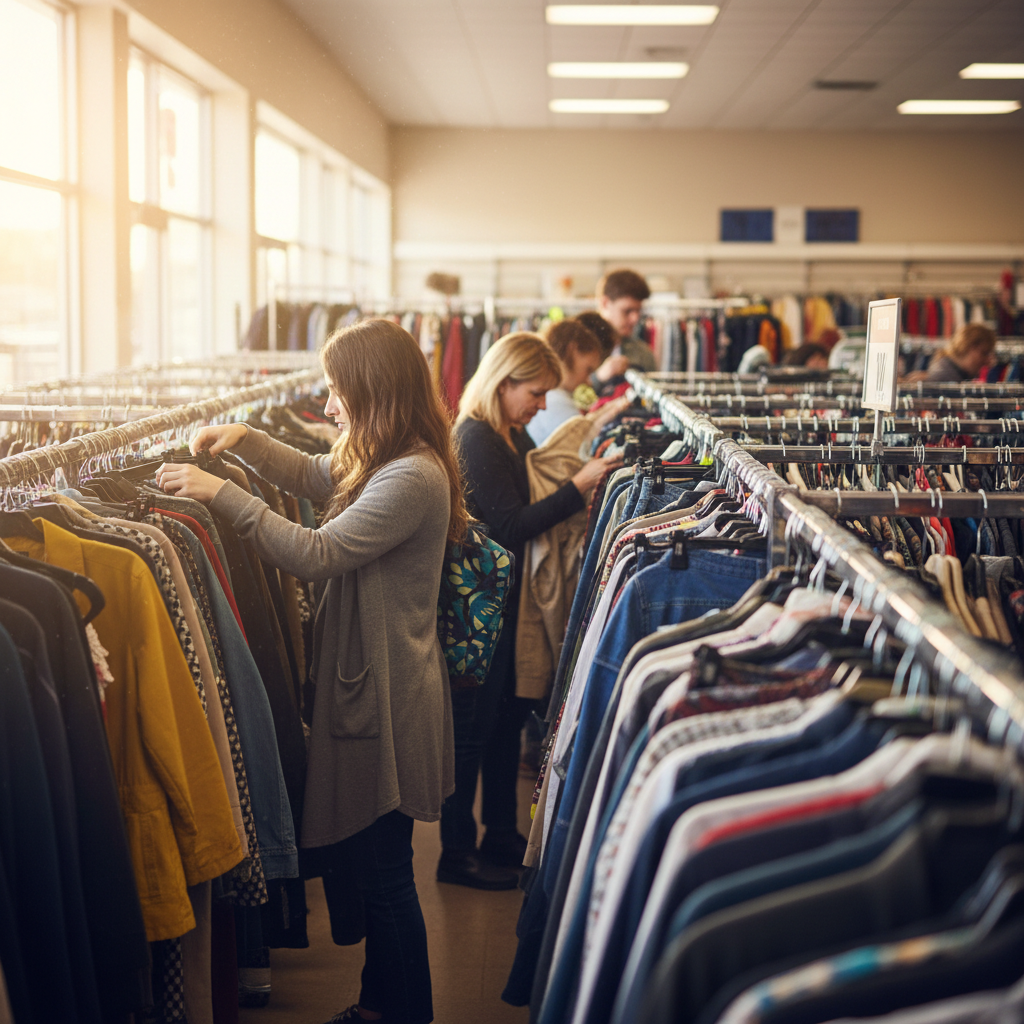
The best thrift stores to flip items are often hidden gems, and learning how to find them and understand their unique inventory is key to a profitable reselling business in 2026. If you're looking to turn your love for thrifting into a lucrative side hustle or even a full-time gig, you're in the right place. I’ve personally spent countless hours scouring racks and shelves, and I’m excited to share my go-to spots and strategies with you. From finding high-value brands to understanding what buyers are truly looking for, this guide will walk you through everything you need to know. We'll cover where to source, what to look for, and how to verify value before you even hit the checkout line, ensuring your thrift flipping journey is as profitable as possible.
Related reading: Best Items to Flip for Profit at Thrift Stores in 2026 · Best Thrift Stores Wisconsin — Reseller Guide 2026 · Best Thrift Stores Oregon — Reseller Guide 2026
Why this is profitable right now
Thrift store flipping isn't just a trend; it's a booming industry, and it's more profitable than ever heading into 2026. The sustainability movement has spurred a massive increase in demand for pre-owned goods, making second-hand items not just affordable, but fashionable and eco-conscious. People are consciously choosing to buy used items to reduce waste and save money, creating a constantly growing market. This means a steady flow of inventory for us resellers and a robust buyer base eager for unique finds. What's more, the rise of powerful reselling platforms like eBay, Poshmark, Mercari, and even TikTok Shop has made it incredibly easy to reach customers far beyond your local area. You're no longer limited to garage sales or flea markets; your potential customer base is global. The barrier to entry for reselling is incredibly low – you can start with just a few dollars and scale up as you learn. I've seen countless resellers start with a few great finds and quickly build up to earning $500 to $1000 per week, simply by consistently sourcing quality items and listing them effectively. The key is consistent effort and smart sourcing. With tools like FlipAI helping you identify profitable items on the fly, the potential for growth is immense. This isn't just about making a quick buck; it's about building a sustainable income stream from items that would otherwise end up in a landfill. It's a win-win for everyone involved.
What to look for
Knowing what to look for when you're on a sourcing trip is half the battle. Think like a treasure hunter! My main targets typically fall into a few lucrative categories. First, designer clothing and accessories are always hot. Think brands like Lululemon, Free People, Anthropologie, high-end denim (Citizens of Humanity, AG Jeans), and quality leather goods. Even if it's not a top-tier designer, well-made clothing in excellent condition sells. Always check for fabric content – natural fibers like silk, wool, cashmere, and linen hold their value better than synthetics. Electronics, especially vintage gaming consoles, handheld devices, and unique audio equipment, can fetch high prices. Test them if possible, or assume they are for parts and price accordingly. Home decor, particularly mid-century modern pieces, unique ceramics, or branded kitchenware (Le Creuset, Pyrex), are excellent. Books, especially first editions, signed copies, or niche non-fiction (like rare technical manuals or art books), can surprising value. Don't forget collectibles! Vintage toys, board games, comic books, and even specific types of sports cards can be incredibly valuable. For sports cards, always be on the lookout for brands like Topps, Upper Deck, and Panini, and know your key players and eras. Learning which sports cards to flip can be a game-changer. Finally, keep an eye out for anything new with tags (NWT) or in immaculate condition. These items command higher prices and sell faster.
Condition is King
- New With Tags (NWT): These are gold tickets! Often, people donate items they bought but never wore, presenting an amazing opportunity.
- Excellent Used Condition (EUC): Minimal wear, no visible flaws, stains, or damage. These are prime for reselling.
- Good Used Condition (GUC): Minor flaws that are fixable (missing button, small stain) or light piling. You can often make a profit, but you need to factor in your time for fixing.
- Poor Condition: Avoid unless it's a super rare item for parts or restoration, as these will eat into your time and profit.
How to spot value quickly
Time is money, especially when you're elbow-deep in thrift store racks. Learning to spot value quickly is a crucial skill for efficient sourcing thrift. My strategy involves a few rapid checks. For clothing, I first glance at the tag – looking for familiar high-end or reputable brands. Then, I immediately check the material composition. Silk, cashmere, merino wool, high-quality linen, and organic cotton are almost always worth a second look. Next, a quick visual scan for obvious flaws: stains under the armpits, holes, broken zippers, or excessive pilling. For electronics, I check for power cords, batteries, and any obvious physical damage. For home goods, I look for brand names on the bottom (like Pyrex, Dansk, Le Creuset), unique designs, or heavy, quality construction. Don't be afraid to pick things up! Weight can often indicate quality in items like ceramics or sculptures.
Rapid Assessment Techniques
- Brand Knowledge: Memorize 20-30 top-selling brands in your niche. Your eyes should automatically gravitate towards these.
- Material Check: For apparel, feel the fabric. Natural fibers are key. For other items, look for solid wood, genuine leather, or heavy glass.
- Flaw Scan: A quick visual sweep for major damage. Don't waste time on items needing significant repair unless they're exceptionally rare.
- Price Comparison (Mental): Based on experience, you'll start to recognize what a certain item type usually sells for versus its thrift store price.
- Scan with FlipAI: No more guessing! If you're unsure, pull out your phone. FlipAI is my secret weapon for quick value assessment, allowing me to take a photo of any item or scan its barcode to instantly see current eBay asking prices (live listings, not sold prices) plus an AI estimate. This takes the guesswork out of whether something is worth my time and money.
Average profit margins for this category
Profit margins in thrift flipping can vary wildly, but with smart sourcing and effective selling, you can achieve impressive returns. On average, I aim for a minimum of a 3x return on my investment, meaning if I buy something for $5, I want to sell it for at least $15 after fees. This isn't always possible, but it's a good target. For clothing, if you buy a Lululemon top for $7 and sell it on Poshmark for $40, Poshmark takes a 20% commission on sales over $15, which is $8. Your net profit would be $32 - $7 (cost of goods) = $25. That's a great margin! On the other hand, if you sell a $10 item on Poshmark, they take a flat $2.95, leaving you $7.05 - $2 (cost) = $5.05 profit.
Platform Fees Breakdown:
- eBay: Typically around 13.25% final value fee on most categories, plus 30 cents per transaction. Example: Item sold for $50. Fees = ($50 * 0.1325) + $0.30 = $6.62 + $0.30 = $6.92.
- Poshmark: Flat $2.95 for sales under $15; 20% for sales $15 and over. This is why higher-priced items do better on Poshmark.
- Mercari: 10% selling fee plus a 2.9% + $0.50 processing fee per sale. Example: Item sold for $50. Fees = ($50 * 0.10) + ($50 * 0.029) + $0.50 = $5 + $1.45 + $0.50 = $6.95.
- Depop: 10% selling fee on the total transaction amount (item price + shipping cost paid by buyer), plus PayPal/Depop Payments processing fees (usually 2.9% + $0.30).
- Etsy: 6.5% transaction fee on total sale price (item + shipping), plus a $0.20 listing fee per item and a 3% + $0.25 payment processing fee.
After factoring in fees, shipping costs (if you pay them), and your initial cost of goods, an average profit margin of 50-70% is very achievable on many items. Some high-demand items can yield 1000% or more! It really depends on what you find and how effectively you price it. Don't forget that consistent sourcing and listing leads to consistent sales, which compounds into significant profit over time.
Check value before you buy
This is where the rubber meets the road, or more accurately, where your phone meets the product. Buying without checking sold comps is like throwing darts in the dark – you might hit something, but it's pure luck. My cardinal rule for profitable reselling is to NEVER buy an item unless I've checked its potential resale value. This is where FlipAI becomes an indispensable tool in my reselling arsenal. When I'm at the thrift store, surrounded by a mountain of potential inventory, I need to make quick, informed decisions. FlipAI lets you take a photo of any item or scan its barcode to instantly see current eBay asking prices (live listings, not sold prices) plus an AI estimate. No guessing. No Googling. Just point your camera at anything and know what it is actually worth in about 10 seconds. This feature is a game-changer; it dramatically reduces my sourcing time and almost entirely eliminates buying duds. I can instantly see if that "vintage" item is actually worth the $20 tag or if it's a pass. It also has a profit calculator built-in, so I can input the store's price and immediately see my potential net profit after fees on various platforms. If the numbers don't look good, I walk away, saving myself money, time, and storage space. This instant access to real-time market data is what separates successful resellers from those who accumulate inventory that never sells. Trust me, your phone is your most powerful tool in the thrift store.
Where to sell what you find
Once you’ve mastered the art of the thrift haul and know what to look for, the next step is getting your treasures in front of buyers. There are several fantastic platforms, and the best choice often depends on the item you're selling. For clothing, especially mid to high-end brands, Poshmark and Depop are powerhouses. Poshmark is known for its social community features, making sharing and engagement crucial. Depop, with its younger, trendier demographic, is great for vintage and street style fashion. If you find unique home goods, vintage items, or handmade crafts, Etsy could be your best bet, though you'll face more stringent listing requirements and fees. For general merchandise, electronics, collectibles, and anything else that doesn't fit neatly into specific fashion or craft niches, eBay is king. It has the widest reach and the most diverse buyer base. Mercari is a fantastic general marketplace that takes a lower fee than Poshmark, making it great for items under $15. Facebook Marketplace is excellent for local pickup large items or furniture, helping you avoid shipping costs. The savvy reseller often utilizes multiple platforms to maximize reach and sell-through rates. Tools that facilitate crosslisting your items" target="_blank" rel="noopener noreferrer">crosslisting your items are incredibly valuable, allowing you to list on several platforms simultaneously without manually re-entering all the information. This increases your chances of a quick sale and means your inventory isn't sitting stagnant.
Get started
You're now equipped with the knowledge to dive into the exciting world of thrift store flipping and make 2026 your most profitable year yet! Remember, success in reselling comes down to consistent effort, knowing your market, and leveraging the right tools. Start small, focus on categories you're passionate about, and always double-check your numbers. The thrill of finding that hidden gem and turning it into a significant profit never gets old. Don't be afraid to experiment with different thrift stores – sometimes the most unassuming places have the best finds. Keep an eye on trends, learn from every sale (and every non-sale!), and continually refine your sourcing strategy. Most importantly, make it fun! Happy flipping!
Your journey to becoming a successful reseller starts now. Let FlipAI be your co-pilot, guiding you to profitable decisions every step of the way. Try FlipAI free with 10 lifetime scans — no credit card required.
Related reading: Best thrift stores near me — all 50 state guides
Frequently Asked Questions
What kind of items are best to flip from thrift stores?
The best items to flip generally fall into categories like designer or vintage clothing (especially natural fibers like silk, cashmere, wool), unique home decor (mid-century modern, branded kitchenware), collectibles (vintage toys, sports cards), and working electronics (gaming consoles). Look for items in excellent condition, or new with tags (NWT), as these command the highest prices and sell fastest. Always check for brand names and material quality.
How do I know if an item is valuable before I buy it?
The key to knowing an item's value is checking 'sold comps' – what similar items have actually sold for. Use a reselling app like FlipAI, which allows you to take a photo of an item or scan its barcode to instantly see real-time market prices across multiple platforms like eBay, Poshmark, and Mercari. This eliminates guesswork and helps you quickly decide if an item is worth your money and time.
What are typical profit margins for thrift store flipping?
Profit margins in thrift flipping can range widely, but a good target is a minimum of 3x your initial investment after factoring in platform fees. For example, if you buy an item for $5, aim to sell it for at least $15 net. Platforms like eBay might charge around 13.25% in fees, while Poshmark takes 20% on sales over $15, and Mercari charges 10% plus processing fees. High-demand items can yield much higher margins, sometimes 1000% or more.
Which online platforms are best for selling thrifted items?
The best platform depends on the item. Poshmark and Depop are excellent for fashion, especially popular brands and vintage clothing. eBay is highly versatile for almost any item, including electronics, collectibles, and general merchandise, due to its broad reach. Mercari is good for a wide array of items with slightly lower fees. Etsy is great for unique vintage home goods or crafts, while Facebook Marketplace is perfect for local pickup of larger items like furniture.
How can FlipAI help me with thrift store sourcing?
FlipAI streamlines your sourcing by providing instant market insights directly from your phone. You can use its AI vision to take a photo of any item or scan a barcode to immediately see recently sold prices on major platforms like eBay, Poshmark, and Mercari. This helps you quickly assess profitability before buying. FlipAI also includes a profit calculator and helps with crosslisting to save you time when listing items for sale.