What to Look for at Thrift Stores to Resell 2026
What to Look for at Thrift Stores to Resell 2026
If you're wondering what to look for at thrift stores to resell, you've come to the right place! Thrifting for profit is an incredibly popular side hustle and for good reason: it allows you to turn discarded items into cash, giving them a second life and putting extra money in your pocket. As an experienced reseller, I can tell you that the thrill of finding a hidden gem is unmatched, and with the right strategies, you can consistently discover high-value items waiting to be flipped for a significant profit in 2026. This guide will walk you through everything from identifying profitable categories to spotting value quickly and using tools like FlipAI to maximize your earnings. Get ready to transform your thrift store visits into treasure hunts!
Related reading: What Does NWT Mean? Reselling Terms Every Thrifter Should Know in 2026 · Best Thrift Stores Wisconsin — Reseller Guide 2026 · Best Thrift Stores Oregon — Reseller Guide 2026
Why Thrifting for Resale is Profitable Right Now
The reselling market is booming, and thrifting remains one of the most accessible entry points for new and seasoned flippers alike. Why is it so profitable? First, thrift stores offer incredibly low acquisition costs. You can often find items for just a few dollars that retail for dozens, sometimes hundreds, more. This creates a massive profit margin potential that's hard to beat in other sourcing methods. Second, there's a growing demand for sustainable and second-hand goods. Consumers are increasingly conscious of their environmental impact and are actively seeking out pre-owned items, which is fantastic news for resellers like us. This trend isn't slowing down; in fact, it's gaining momentum, making 2026 an ideal time to dive into thrift flipping.
Platforms like eBay, Poshmark, Mercari, and even Facebook Marketplace have made it easier than ever to reach a global audience of buyers looking for specific items. Whether it's vintage clothing, unique home decor, collectible toys, or niche electronics, someone out there is looking for what you've found. The sheer volume of items donated to thrift stores means there's a constant influx of potential inventory. It's a goldmine if you know where to dig! Plus, the initial investment is minimal – you can start with just a few dollars and scale your business as you gain experience and capital. Many resellers I know started with just $20 and now consistently earn $200 to $500 per week, all from savvy thrift sourcing tips and smart selling practices. It’s an exciting time to be part of the reselling community!
What to Look For at Thrift Stores to Resell
Alright, let's get down to the nitty-gritty: what exactly should you be looking for? While almost anything can be resold, some categories consistently outperform others. My top recommendation for what to look for at thrift stores to resell always starts with clothing, especially high-end brands. Look for designer denim (brands like Citizens of Humanity, AG Jeans), quality activewear (Lululemon, Athleta), and vintage sportswear (Nike, Adidas, Champion). Pay attention to fabric content – natural fibers like silk, linen, cashmere, and merino wool are always desirable. Formal wear, especially unique dresses or suits from good brands, can also do well.
Electronics and Gadgets
- Vintage Electronics: Think old gaming consoles (Nintendo, Sega, PlayStation 1/2), retro cameras, Walkmans, or even specific audio equipment. Test them if possible!
- Small Appliances: Sometimes you can find Nespresso machines, KitchenAid mixers, or high-end blenders in excellent condition. Look for original boxes or manuals.
Home Goods and Decor
- Unique Vases & Ceramics: Mid-century modern pieces, specific artisan pottery, or unique sculptural items. Brands like McCoy, Haeger, and specific art pottery can fetch good prices.
- Vintage Kitchenware: Pyrex, CorningWare, Cathrineholm enamelware, and unique cast iron pieces (Wagner, Griswold) are often highly sought after.
- Art & Frames: Always check behind paintings for signatures or labels. Even unique, well-made frames can be sold.
Collectibles & Niche Items
- Books: First editions, signed copies, vintage children's books, and niche non-fiction (e.g., specific art history, local history).
- Toys & Games: Vintage action figures (Star Wars, G.I. Joe), board games (complete sets), Lego sets, and collectible dolls.
- Sports Memorabilia & Trading Cards: This is a massive market. Look for vintage sports jerseys, signed items, or even older, unopened sports card packs. While the odds of hitting a big card are low, the packs themselves can sell. For more detailed insights, check out our guide on reselling sports cards.
Always remember that condition is king. Even the best brand won't sell if it's damaged beyond repair. Look for items that are clean, functional, and have minimal wear.
How to Spot Value Quickly While Thrifting
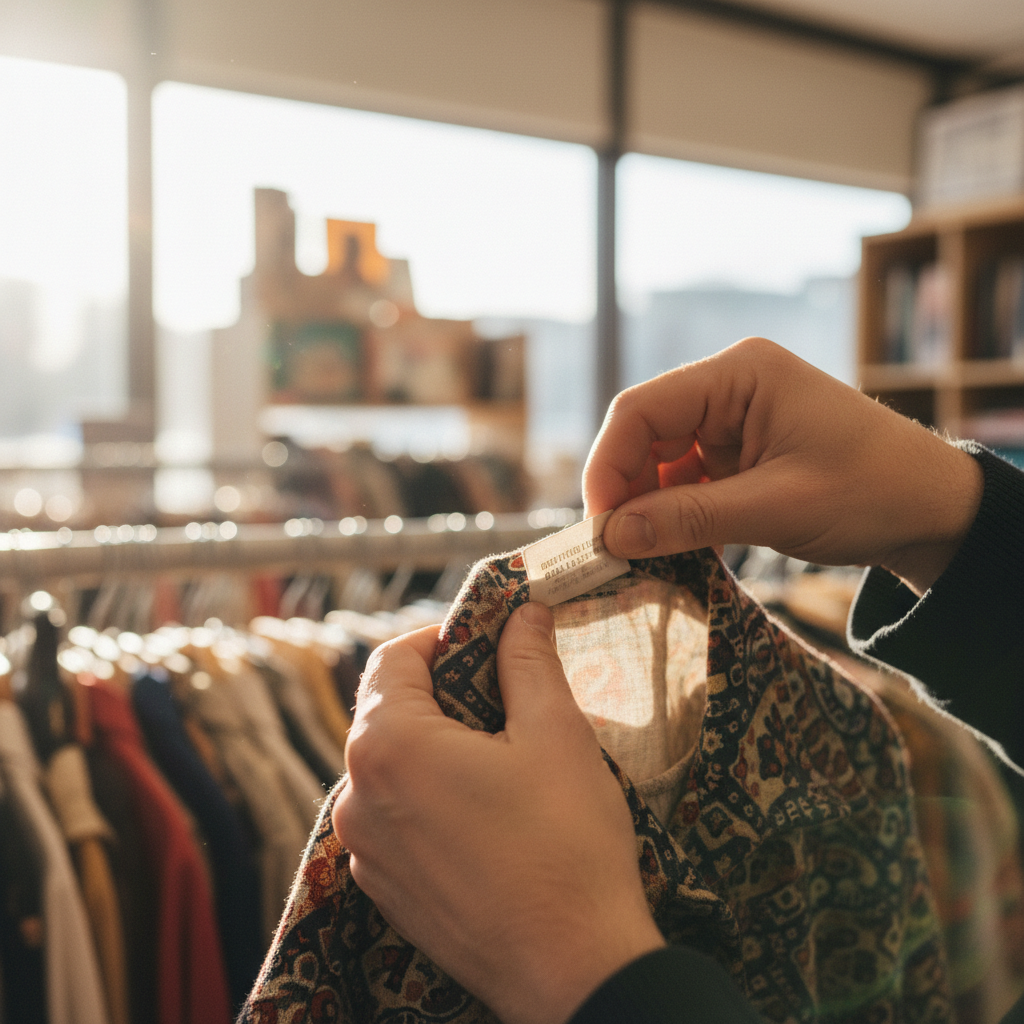
When you're sifting through racks and shelves, time is money. You need efficient strategies to identify potential flips. One of the best thrift sourcing tips is to train your eyes for specific indicators of quality and value. Start by learning your brands – create a mental list of desirable brands in clothing, home goods, and electronics. For clothing, look at fabric tags. Natural fibers like wool, silk, cashmere, and linen almost always indicate a higher quality item. Check care tags for brand names. For home goods, flip items over to check for maker's marks, brand stamps, or country of origin. Made in USA, Japan, or specific European countries can often be a good sign.
Another quick tip: feel the weight and quality of an item. A heavier, well-constructed piece of furniture or a thick, substantial piece of clothing often signals better craftsmanship and materials. Don't be afraid to pull out your phone (discreetly!) to do a quick search. If you see a brand you're unsure about, a 10-second search can tell you if it's a hidden gem or just another piece of fast fashion. I often look for items with original tags still attached, especially if they are from a quality brand. This signals either a high-end donation or a mistaken purchase, often leading to a quick and profitable sale. Always check for defects – rips, stains, chips, missing parts – as these can drastically reduce an item's resale value, or even make it unsellable.
Average Profit Margins for This Category
The beauty of thrift flipping is the potential for incredible profit margins. Because your acquisition cost is so low, you can often achieve 100%, 200%, or even 500% profit on items. For instance, finding a Lululemon jacket for $5 at a thrift store and selling it for $40 on Poshmark after a 20% fee ($8) still leaves you with $32 profit, a whopping 540% return on investment! Similarly, a vintage Pyrex dish bought for $3 could easily sell for $25 on eBay, which, after eBay's average 13.25% final value fee ($3.31) and perhaps a small shipping fee, still nets you a solid $18-$20 profit. That's fantastic!
Keep in mind that fees vary by platform. Poshmark takes a flat $2.95 commission for items under $15 and 20% for items $15 and over. Mercari charges a flat 10% selling fee plus a processing fee. Depop also charges 10% on the total transaction amount. On average, a well-sourced thrift flip can yield a profit margin of 50-70% after all fees and shipping costs, assuming you've priced it competitively. Some specific niches, like vintage electronics or rare collectibles, can go even higher. I've personally flipped items bought for $1-2 for $70-80, creating profit margins upwards of 3000%! It's all about finding that undervalued item and knowing its true market worth. Consistent, smaller flips add up quickly too; selling ten $20 profit items a week means an extra $200 in your pocket!
Check Value Before You Buy with FlipAI
This is where your secret weapon comes into play! The biggest mistake new resellers make is buying items without knowing their true resale value. You can't just guess what something is worth. That's why I swear by FlipAI. FlipAI lets you take a photo of any item or scan its barcode to instantly see current eBay asking prices (live listings, not sold prices) plus an AI estimate. No guessing. No Googling. Just point your camera at anything and know what it is actually worth in about 10 seconds. This feature is a game-changer when you're standing in a busy thrift store aisle, trying to decide if that vintage ceramic vase for $7 is a profitable flip or a dust collector. Instead of buying it and hoping for the best, you can see exactly what similar items have recently sold for.
Imagine seeing a brand-name jacket, scanning its tag, and instantly seeing that identical items sold for $60-$80 in similar condition. If the thrift store is selling it for $10, you know you've got a winner! FlipAI pulls up actual market listings, giving you concrete data to make informed buying decisions. It also includes a profit calculator, so you can factor in fees from different platforms right there on the spot. This tool completely eliminates the guesswork and helps you avoid unprofitable purchases, which is crucial for maintaining healthy profit margins in your thrift flipping business. It's truly like having an expert appraisal tool right in your pocket. Check out more details on how it can help you price better on our FlipAI homepage.
Where to Sell What You Find
Once you've mastered what to look for at thrift stores to resell and you've got a pile of profitable items, the next step is selling them! Different items perform better on different platforms, so it's smart to diversify. Here’s a breakdown of the best places to sell your thrift store finds:
eBay
- Best for: Collectibles, vintage electronics, unique home goods, and items with a broad appeal. eBay has the largest audience, making it ideal for niche items.
- Fees: Generally around 13.25% final value fee for most categories, plus a small processing fee.
- Tip: Use detailed descriptions, multiple high-quality photos, and consider auction or Buy It Now options.
Poshmark
- Best for: Clothing, shoes, and accessories (especially popular brands like Lululemon, Free People, Nike, and designer labels).
- Fees: $2.95 for sales under $15, and 20% for sales $15 and over.
- Tip: Engage with the community, share your listings, and participate in Posh Parties for maximum visibility. Learn more about selling on Poshmark here.
Mercari
- Best for: A wide variety of items, similar to eBay but often with a slightly more casual buyer base. Great for smaller electronics, toys, and home decor.
- Fees: 10% selling fee plus a small payment processing fee.
- Tip: Offer free shipping to stand out, and use Mercari's Smart Pricing feature to automatically adjust prices for maximum sales.
Etsy
- Best for: Vintage items (must be 20+ years old), handmade goods, and unique craft supplies. Excellent for distinctive home decor, vintage clothing, and collectible items.
- Fees: Small listing fee per item, plus a 6.5% transaction fee and payment processing fees.
- Tip: Focus on aesthetic photography and tell a story about your vintage finds. Check out Etsy's selling guide here.
Facebook Marketplace
- Best for: Local pickups, larger items (furniture), and quick sales without shipping. Good for clothing bundles or electronics.
- Fees: Free for local pickup; a 5% selling fee (or minimum $0.40) for shipped items.
- Tip: Be prepared to negotiate and meet buyers in public, safe locations.
Using a crosslisting tool like FlipAI's crosslisting feature can save you tons of time by allowing you to list an item on multiple platforms with just a few clicks. This dramatically increases your item's exposure and speeds up your sales velocity!
Get Started with Thrift Flipping in 2026!
You've got the knowledge, now it's time to hit the thrift stores! Remember that consistency is key. The more you go, the better your eye will become for profitable items. Start small, focus on categories you're familiar with, and always, always check prices before you buy. Don't be discouraged by a slow day; every thrift store visit is a learning experience. With the right approach and the powerful assistance of tools like FlipAI, you can transform your love for thrifting into a significant income stream in 2026.
By understanding what to look for at thrift stores to resell, mastering quick value assessment, and strategically listing your finds, you'll be well on your way to becoming a successful reseller. So grab your phone, download FlipAI, and get ready to uncover some incredible treasures. The thrill of the hunt combined with the satisfaction of a profitable sale is an unbeatable feeling. What are you waiting for? Join the flipping community and start your journey today! Don't forget, using tools like FlipAI's profit calculator will help you confirm your earnings on every flip. Join thousands of resellers already using FlipAI
Related reading: Best thrift stores near me — all 50 state guides
Frequently Asked Questions
What are the most profitable items to resell from thrift stores in 2026?
In 2026, highly profitable items include designer clothing and activewear (e.g., Lululemon, Citizens of Humanity), vintage electronics (retro gaming consoles, cameras), unique home decor (mid-century modern ceramics, Pyrex), and niche collectibles (vintage toys, specific books). High-quality natural fiber clothing like silk, cashmere, and linen always do well. Look for items in excellent condition with brand recognition.
How can I quickly determine an item's resale value at a thrift store?
To quickly determine resale value, train your eye for specific brands and quality indicators like fabric content or maker's marks. Use your phone to do quick searches for 'sold' listings on platforms like eBay or Poshmark. Better yet, use FlipAI's photo or barcode scanner to instantly see real-time market prices across multiple platforms, giving you concrete data in seconds before you commit to buying.
What fees should I expect when selling items sourced from thrift stores?
Selling fees vary by platform. On Poshmark, it's a flat $2.95 for sales under $15 and 20% for sales $15 and over. eBay typically charges around 13.25% final value fee for most categories. Mercari has a 10% selling fee plus a payment processing fee. Etsy charges a small listing fee, a 6.5% transaction fee, and payment processing fees. Always factor these into your profit calculations.
Is thrift flipping still profitable in 2026 with so many resellers?
Absolutely! Thrift flipping remains highly profitable in 2026. The demand for second-hand goods is increasing due to sustainability trends and cost-consciousness. While there are many resellers, the sheer volume of donated items ensures a constant supply. By focusing on desirable categories, learning how to spot undervalued items, and using tools like FlipAI, you can consistently find profitable inventory and carve out your niche.
What is the best way to start thrift flipping as a beginner?
Start by visiting your local thrift stores frequently to get a feel for their inventory. Begin by focusing on one or two categories you're already knowledgeable or passionate about, like clothing or books. Always check sold prices using an app like FlipAI before buying. List your items on popular platforms like Poshmark or eBay, starting with just a few items to understand the process. Learn about photography and descriptive listings to maximize your sales.