Unlocking Vintage Clothing Reselling Success: Your Complete Guide
Unlocking Vintage Clothing Reselling Success: Your Complete Guide
“How do I actually make money selling vintage clothing?” It’s a question I hear all the time from aspiring resellers, and honestly, it’s a brilliant one. While the allure of unique finds and sustainable fashion is strong, turning that passion into profit requires more than just a good eye. Today, I’m diving deep into the art and science of vintage clothing reselling, sharing the strategies I’ve learned to help you build a thriving business.
Related reading: How a Boat Mechanic Used FlipAI to Price and Flip an Outboard Motor for Profit · How to Flip Items for Profit in 2026 — Complete Beginner Guide · Best Things to Resell on eBay Right Now — Top 20 Categories
I remember my first foray into vintage – a beautiful, but slightly stained, 70s dress I thought would fetch a fortune. Spoiler alert: it didn’t. It sat in my inventory for months. That experience taught me real fast that knowing your product is just the beginning; you also need to know your market, your process, and how to present your amazing items. Let’s get into it!
Nail Your Sourcing Strategy: Where the Treasures Are
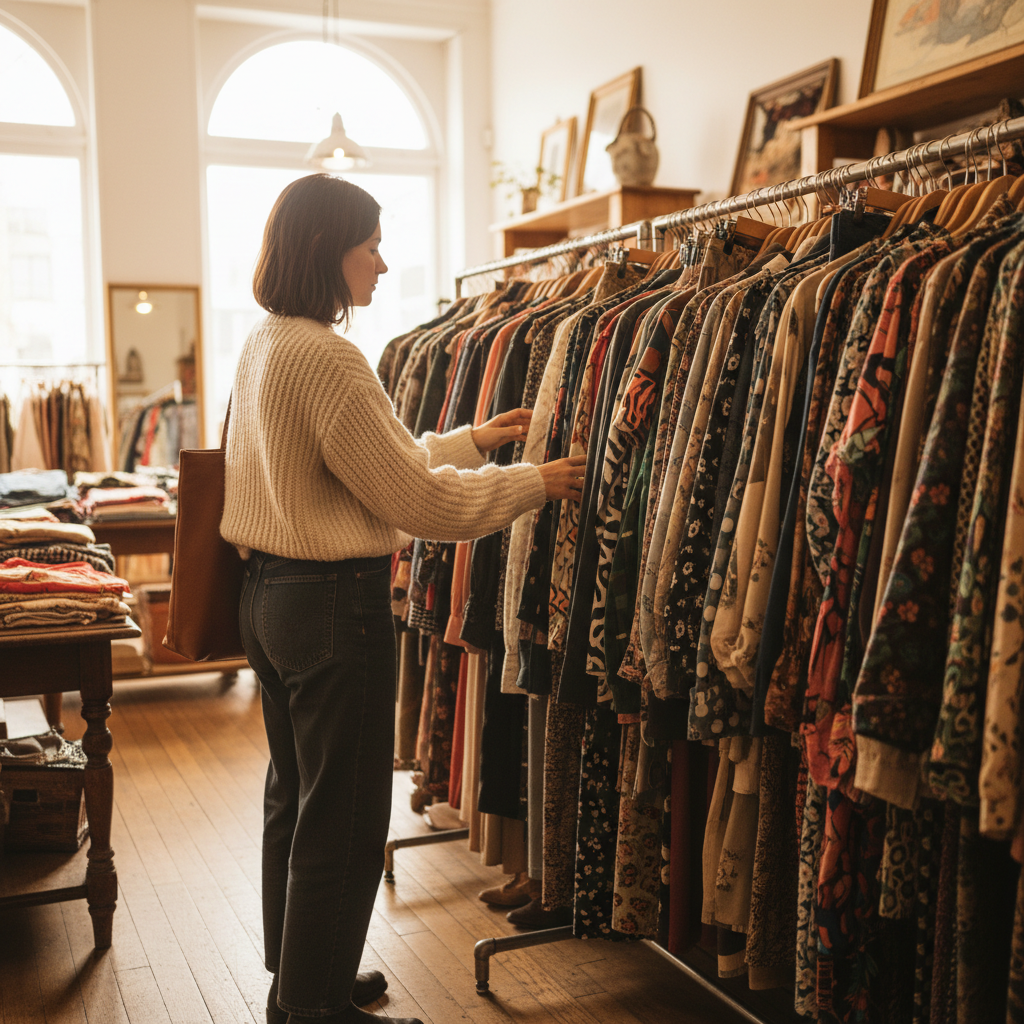
Sourcing is the lifeblood of any successful vintage clothing reselling business. You can’t sell what you don’t have, right? And you definitely can’t sell it for a profit if you overpay. My go-to spots are often local thrift stores and charity shops. Weekday mornings, right after they restock, are usually prime time. Estate sales and yard sales can be goldmines too, especially if you arrive early and aren't afraid to haggle a little. Knowing what brands, fabrics, and eras are currently in demand is crucial here. Do a quick search on platforms like eBay or Etsy to see what's trending. Look for quality over quantity, always. A well-preserved vintage silk blouse is likely to fetch more than a pile of polyester fast fashion, even if it's the same age. Don't overlook online auctions or even local classifieds – sometimes people just want to clear out their attic and don't realize the value of what they have. Building relationships with local shop owners can also give you a head start on new inventory.
Mastering Authentication and Condition Assessment
Once you’ve sourced your vintage gems, the next critical step is authentication and a thorough condition assessment. This isn't just about honesty; it's about building trust with your buyers and avoiding returns. For authentication, I always check labels, zippers, buttons, and stitching – these often provide clues to the era and authenticity of a piece. Researching vintage brand tags can be a fun rabbit hole, but an essential one! When it comes to condition, be meticulous. Look for stains, holes, tears, missing buttons, loose seams, and general wear. Take clear photos of any imperfections and describe them accurately in your listing. Many buyers are perfectly fine with minor flaws if they're disclosed upfront. Think about cleaning and repair too, but only if it's cost-effective and won't damage the item. Sometimes a simple wash can revive a piece, other times it needs professional intervention. This attention to detail sets you apart and helps you succeed in vintage clothing reselling.
Crafting Compelling Listings That Convert
So, you’ve found amazing items and assessed their condition – now it’s time to make them shine online! Your listings are your storefront, and they need to be irresistible. High-quality photos taken in good natural light are non-negotiable. Show the item from multiple angles, highlight unique details, and include a flat lay or modeled shot if possible. For descriptions, be detailed and engaging. Use keywords related to the era, style (e.g., “boho chic,” “mod,” “flapper”), fabric, and original brand. Include precise measurements – vintage sizes are notorious for being different than modern sizes, so always provide actual garment measurements! Tell a little story about the piece if you know one. This adds character and connection. And don’t forget excellent customer service! Responding quickly to questions and being transparent upfront builds customer loyalty. This is where a tool like FlipAI really comes in handy – it helps you manage and optimize these listings across all your platforms like eBay, Etsy, and Poshmark, saving you tons of time.
Pro Tips for Standing Out & Avoiding Common Pitfalls
Want to truly excel in vintage clothing reselling? Here are some pro tips and pitfalls to steer clear of. First, specialize! While it’s tempting to buy everything, focusing on a niche – be it 60s mod dresses, vintage band tees, or high-end designer denim – helps you become an expert and attracts dedicated buyers. Secondly, don't ignore seasonality. Selling heavy wool coats in summer or delicate sundresses in winter might lead to longer holding periods. Price competitively but don't undervalue your unique finds. Research similar sold items to get an idea of market value. A common mistake I see is poor photography – blurry, dark pictures just don't sell! Another is neglecting proper storage; vintage items need to be kept clean, dry, and away from direct sunlight to prevent damage. Finally, remember to continuously learn and adapt. The vintage market changes, so stay abreast of trends. Tools that streamline your operations are invaluable too. I personally use FlipAI for cross-listing and managing my inventory, and it's been a game-changer for efficiency.
Ready to Turn Your Passion into Profit?
Vintage clothing reselling is more than just a hobby; it’s a sustainable, rewarding, and potentially very profitable business. From the thrill of the hunt to the joy of connecting a unique piece with its new owner, there's so much to love. By focusing on smart sourcing, diligent authentication, compelling listings, and avoiding common pitfalls, you're well on your way to building a successful venture. Remember, every successful reseller started exactly where you are – with a few items and a lot of passion. Don't let the technicalities hold you back. Streamline your reselling process and maximize your reach by checking out FlipAI today. It’ll help you list faster and sell more, giving you more time to find those incredible vintage treasures!
Helpful resources
Cross-check fees and policies at the source: the eBay Seller Center publishes current final-value fees, Poshmark's seller guide covers its flat commission, and Mercari's selling hub lists shipping options. For community sourcing intel, r/Flipping is the most active reseller forum, and PSA is the standard for card grading.
Related reading: Best thrift stores near me — all 50 state guides
Frequently Asked Questions
What are the best places to source vintage clothing for reselling?
The article suggests several prime locations for sourcing vintage clothing. Local thrift stores and charity shops, especially on weekday mornings right after restocking, are highly recommended. Estate sales and yard sales can also be goldmines, particularly if you arrive early and are prepared to haggle. Additionally, don't overlook online auctions, local classifieds, or building relationships with local shop owners to get a head start on new inventory. Prioritize quality over quantity and research trending items on platforms like eBay or Etsy.
How important is authenticating vintage clothing before selling it?
Authenticating vintage clothing and thoroughly assessing its condition is critical for building buyer trust and avoiding returns. The article advises checking labels, zippers, buttons, and stitching for clues about the item's era and authenticity, and researching vintage brand tags. Meticulously inspect for stains, holes, tears, missing buttons, loose seams, and general wear. Clear photos and accurate descriptions of any imperfections are crucial, as many buyers accept minor flaws if disclosed upfront. This attention to detail differentiates you as a reseller.
What are key tips for creating effective online listings for vintage clothing?
To create compelling listings, non-negotiable are high-quality photos taken in good natural light, showing multiple angles and unique details. Including a flat lay or modeled shot is also beneficial. Descriptions should be detailed and engaging, incorporating keywords related to the era, style (e.g., “boho chic,” “mod”), fabric, and original brand. Crucially, always provide precise garment measurements, as vintage sizes differ from modern ones. Providing excellent customer service and transparency also builds loyalty.
What common mistakes should I avoid when reselling vintage clothing?
The article highlights several pitfalls to avoid in vintage clothing reselling. A common mistake is poor photography, such as blurry or dark pictures, which don't attract buyers. Neglecting proper storage is another issue; vintage items need to be kept clean, dry, and away from direct sunlight to prevent damage. Other errors include overpaying for items, not researching market value before pricing, and failing to specialize, which can make it harder to become an expert and attract dedicated buyers. Always adapt to market changes.
How can FlipAI help streamline the vintage clothing reselling process?
FlipAI is presented as a valuable tool for streamlining operations in vintage clothing reselling. The article notes that FlipAI helps manage and optimize listings across various platforms like eBay, Etsy, and Poshmark, saving significant time. By assisting with cross-listing and inventory management, it boosts efficiency. This allows resellers more time to focus on sourcing incredible vintage treasures rather than getting bogged down in the technicalities of listing and selling.