Is Depop Legit? What Sellers Should Know in 2026
Is Depop Legit? What Sellers Should Know in 2026
Yes, is Depop legit for sellers in 2026! I remember rummaging through my grandma's attic last summer, unearthing a box of her old chunky knit sweaters from the 80s. They were vibrant, unique, and totally back in style. My first thought was Depop. I quickly snapped some photos, listed them, and within a week, three of those sweaters were sold for an average of $45 each! It was a fantastic flip and solidified my belief that Depop is a totally legitimate and thriving marketplace for the right kind of inventory. Throughout this post, we'll dive into what makes Depop a viable platform for resellers, discuss its fee structure, security measures, and how you can make the most of it to turn your pre-loved items into profit.
Related reading: Selling on eBay vs Poshmark in 2026 — Which Platform Pays More? · Where to Sell Collectibles Online in 2026 — Complete Platform Guide · Best Reseller Platforms Oklahoma — 2026 Guide
Quick Answer: Depop is Legit for Unique Finds
Depop is absolutely legitimate, particularly for selling vintage, pre-loved, and unique fashion items. As a seller, you can realistically expect to earn anywhere from $20 to $200 per item, depending entirely on what you're selling. For instance, a trendy, lightly used Zara top might fetch $20-$35, while a rare vintage graphic tee from the 90s could easily go for $75-$150, or even more if it's a highly sought-after brand or design. I've personally seen some rare band tees go for upwards of $400 on the platform. The platform truly shines for items with a distinct aesthetic or those that fit current fashion trends. It's not the best place for generic, mass-produced items, but if you have a keen eye for unique pieces, Depop offers a highly engaged audience hungry for those finds. It’s also a fantastic place to cultivate a brand around your curated style, attracting repeat buyers who trust your taste. Understanding the nuances of each selling platform is key to successful reselling, and Depop certainly has its own vibe and target demographic that you need to tap into. Check out my complete reseller guide for more platform comparisons and strategies.
Why the Price Varies So Much on Depop
The price you can get for an item on Depop, like any reselling platform, can vary wildly due to several crucial factors. First, condition is king. A vintage item in excellent, well-preserved condition will always command a higher price than one with visible flaws, stains, or damage. Be honest and thorough in your descriptions and photos about any imperfections. My grandma's sweaters, for example, were practically brand new, which definitely helped their value. Next, rarity and trendiness play a massive role. Depop thrives on unique and sought-after items. Is it a one-of-a-kind vintage piece? Is it from a popular, limited-edition collection? Does it align with current TikTok fashion trends? These factors can significantly inflate the selling price. A Y2K-era mini skirt from an obscure brand might sell for more than a designer piece from five years ago if it hits the current aesthetic just right. Finally, the platform itself impacts pricing. While eBay might net you top dollar for a highly collectible sports card, Depop's audience is largely focused on fashion, particularly Gen Z and millennials looking for sustainable and unique clothing. The buyer demographic on Depop tends to be younger, often more budget-conscious but willing to pay for unique style. This means that while some high-ticket items perform well, many sales hover in the $25-$75 range. Understanding your audience and inventory is crucial when setting your prices.
Where to Check Sold Prices, Not Asking Prices
Here's a reseller secret: never, ever rely solely on asking prices when determining what to charge. Asking prices are just hopes and dreams; live market prices are what actually matters. When I was researching those vintage sweaters, I didn't just look at what others listed similar items for; I looked at what they actually sold for. This is where tools like FlipAI become absolutely invaluable. While Depop shows you some recently sold items within its search results, it's not always as comprehensive or easy to navigate as dedicated sold-listing aggregators. Other platforms like eBay have a robust 'Sold Items' filter that allows you to see exactly what prices buyers have paid for similar goods. Poshmark and Mercari also provide recent sales data, usually visible when you search for an item and filter by 'Sold' listings. Aggregating this data manually can be a huge time sink, especially if you're trying to price multiple items or delve into a new niche. That's why having a tool that pulls this information from various sources is a game-changer. Don't waste time guessing; inform your pricing with hard data. This is how you avoid overpricing, which leads to stale inventory, or underpricing, which means leaving money on the table.
Best Platform to Sell on: Why Depop Shines (and where it doesn't)
Choosing the best platform depends heavily on what you're selling. For unique, vintage, and trendy fashion, Depop often takes the crown. Its visual-first interface and strong community aspect make it incredibly popular among younger buyers seeking distinctive styles. If you're selling a chunky knit sweater from the 80s like my grandma's, Depop is likely to give you the highest return because of its strong niche market. Compare that to Poshmark, which is excellent for modern, branded clothing and accessories, or Mercari, good for a broader range of used goods. eBay, with its massive audience, can sell almost anything, but for fashion, especially vintage, it can feel a bit like a needle in a haystack unless you have very specific keywords. Depop's fees are also a factor; they charge a 10% selling fee on the total transaction amount (including shipping), plus PayPal’s standard transaction fee (around 2.9% + $0.30). This is lower than Poshmark's 20% on sales over $15, but higher than Mercari's flat 10% selling fee and small processing fee. Given Depop's focus, items with a strong visual appeal and story tend to perform exceptionally well. Remember, selling on one platform doesn't mean you can't sell on others; cross-listing tools can help you broaden your reach.
How FlipAI Shows Current eBay Asking Prices in Seconds
Pricing items accurately is perhaps the biggest headache for new and experienced resellers alike. I used to spend hours cross-referencing different platforms, trying to figure out what my vintage finds were actually worth. But then I found FlipAI, and it completely changed my workflow. No more opening a dozen tabs or struggling with confusing search filters. FlipAI lets you take a photo of any item or scan its barcode to instantly see current eBay asking prices (live listings, not sold prices) plus an AI estimate. No guessing. No Googling. Just point your camera at anything and know what it is actually worth in about 10 seconds. It’s like having a superpower in your pocket! For those unique vintage pieces on Depop, where there might not be a barcode, FlipAI's AI vision is an absolute dream. You just snap a picture of that unique sweater or an unbranded vintage bag, and the app intelligently searches for similar sold items across multiple marketplaces. This gives you an average selling price and key information, so you can price your Depop listings competitively and confidently. This feature has saved me countless hours and ensured I'm always getting the best possible price for my flips. It's not just about speed; it's about accuracy, which directly translates to profit.
Tips to Get the Best Price on Depop in 2026
Getting the best possible price for your items on Depop involves a blend of smart strategies and attention to detail. Here are my top tips for success:
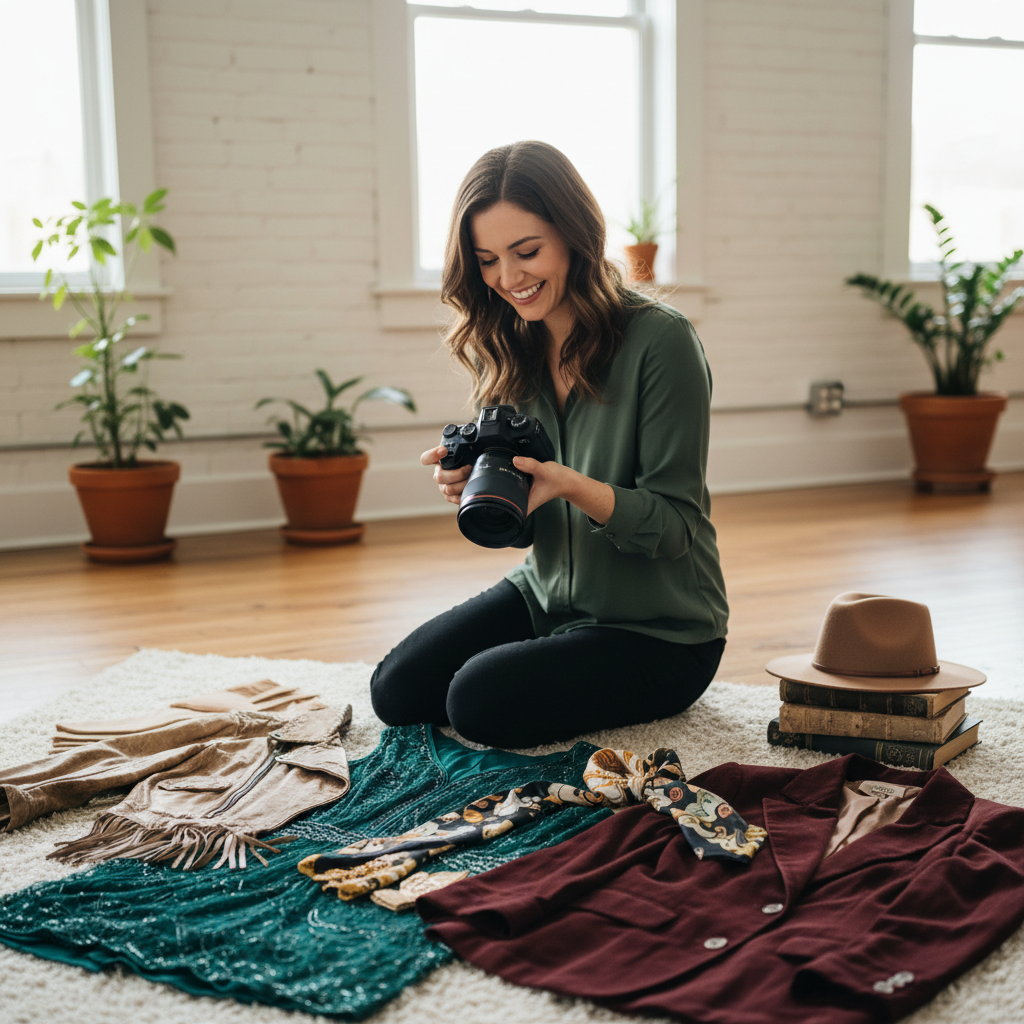
- High-Quality Photos are Non-Negotiable: Depop is a visual platform. Use natural light, a clean background, and show the item from multiple angles. Model the clothes if possible, as this really helps buyers visualize themselves in the garment. Show any tags or unique details.
- Craft Compelling Descriptions: Be descriptive beyond just size and color. Tell a story about the item if it's vintage, mention its unique features, fabric composition, and condition in detail. Use relevant keywords that buyers might search for (e.g., "Y2K mini skirt," "vintage grunge tee," "cottagecore dress").
- Engage with the Community: Depop is social! Follow other sellers, like items, and respond promptly to messages. Active engagement boosts your visibility and can lead to more sales.
- Offer Bundles and Discounts: Encourage larger purchases by offering discounts on bundles. This can clear inventory faster and increase your average order value.
- Smart Shipping Strategies: Research shipping costs beforehand. Offer clear, transparent shipping prices. Consider offering free shipping on certain items as a selling incentive, factoring it into your price.
- Use the 'Refresh' Button: Regularly refreshing your listings pushes them to the top of search results. Do this a few times a day for maximum visibility for your items.
- Price Strategically: Using tools like FlipAI to determine live market prices is crucial. Factor in fees and shipping when setting your price to ensure a healthy profit margin. Don't be afraid to price slightly higher if your item is truly unique and then be open to reasonable offers.
- Promote Your Shop: Utilize social media (Instagram, TikTok) to showcase your Depop finds and drive traffic to your shop.
By implementing these strategies, you'll be well on your way to maximizing your earnings and seeing positive Depop reviews from happy customers.
Try It Free: Unlock Your Reselling Potential
So, is Depop legit? Absolutely! It's a fantastic, legitimate platform for sellers, especially if you have a knack for finding unique, trendy, or vintage fashion items that appeal to a younger, style-conscious audience. The key to profiting is accurate pricing, excellent presentation, and understanding the platform's nuances, including its Depop selling fees. Don't let uncertainty about pricing or the authenticity of a platform hold you back. Tools like FlipAI are designed to make your reselling journey smoother and more profitable, answering all those 'what's it worth?' questions in an instant. I've personally seen my sales increase and my time spent researching decrease dramatically since incorporating it into my daily reselling routine. Stop guessing and start knowing exactly what your items are worth across all major platforms, empowering you to make smart, data-driven decisions. Getting started is easy and risk-free. Start your 5-day free trial and flip smarter today.
Frequently Asked Questions
Is Depop a safe place to sell items?
Yes, Depop is generally a safe platform to sell items, especially when you follow best practices. They use PayPal for transactions, which offers seller protection, and have a clear dispute resolution process. Always ship with tracking, communicate clearly with buyers, and document item conditions thoroughly with photos to ensure a smooth selling experience and protect yourself from potential issues. Being transparent about any flaws is also key.
What are the main Depop selling fees I need to know in 2026?
In 2026, Depop charges a flat 10% selling fee on the total transaction amount, which includes the item price and shipping costs. This fee is automatically deducted once an item sells. Additionally, you'll incur PayPal's standard transaction fee, which is typically around 2.9% plus a fixed fee of $0.30 per transaction in the US. Always factor these fees into your pricing to ensure you're making a profit.
How do I ensure a good experience and positive Depop reviews?
To get positive Depop reviews, focus on excellent customer service. This means providing accurate descriptions and high-quality photos, quick communication, and fast, reliable shipping with tracking. Package your items nicely, and consider adding a small thank-you note. Promptly address any buyer concerns or questions kindly and professionally. Responding quickly to messages and shipping within 1-3 business days are key to a great buyer experience.
What kind of items sell best on Depop?
Depop's audience is primarily interested in unique, vintage, pre-loved, and trendy fashion items. This includes Y2K fashion, grunge aesthetics, unique streetwear, vintage band tees, upcycled clothing, and sustainable fashion choices. Branded items that are currently in style or have a specific niche appeal also do very well. Items that tell a story or fit into current social media trends tend to perform exceptionally on Depop.
Can I cross-list items from Depop to other platforms?
Absolutely! Cross-listing is a smart strategy to maximize your reach and increase your chances of selling. Many resellers list their items on Depop, Poshmark, Mercari, and even eBay simultaneously. Just be sure to remove the listing from other platforms as soon as it sells on one to avoid double-selling. Tools like FlipAI often offer cross-listing features to streamline this process, making it much easier to manage inventory across multiple marketplaces.