How to use upc code lookup step by step — 2026 Guide
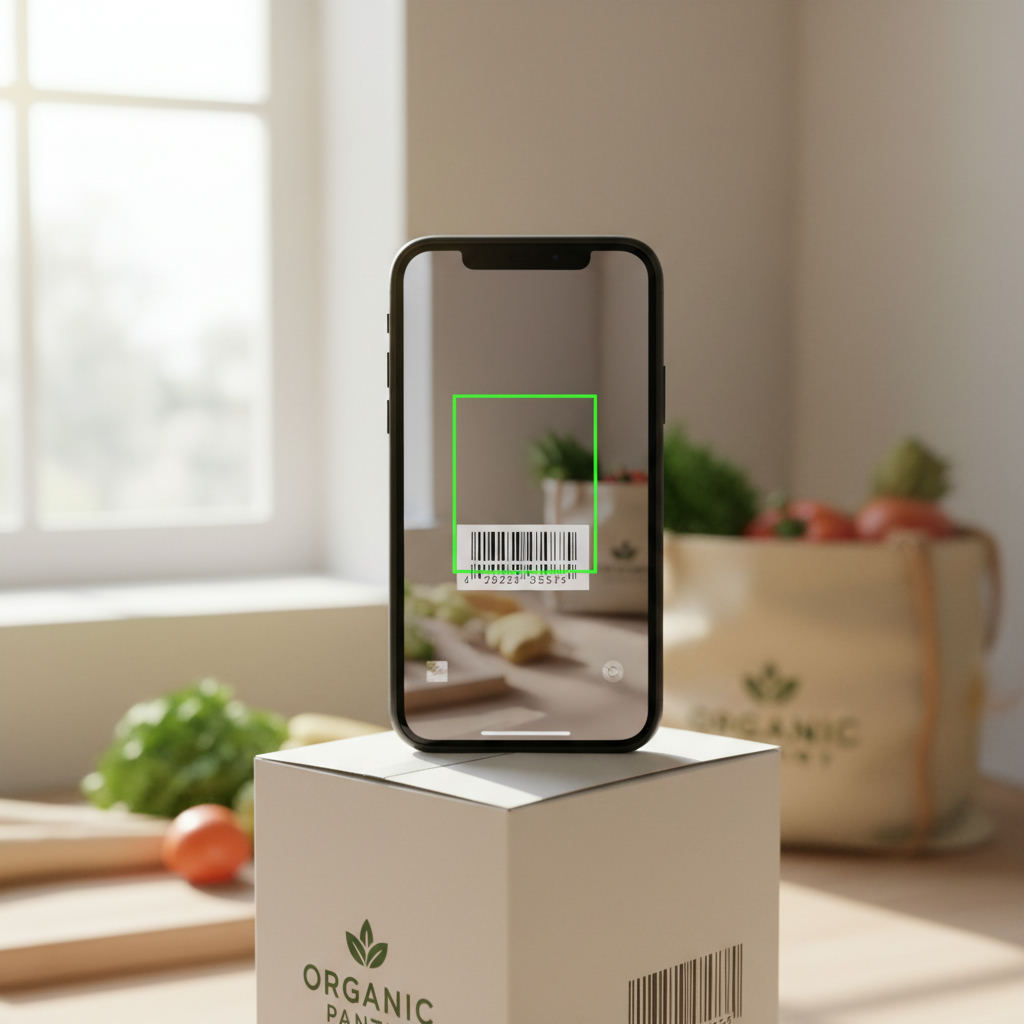
If you're wondering how to use upc code lookup step by step to find profitable inventory for your reselling business in 2026, you've come to the right place! Leveraging barcode lookup tools can instantly transform how you source, helping you make smarter buying decisions and boost your profits. This guide will walk you through the essential steps, recommend the best tools, and ensure you're always one step ahead in the competitive reselling world.
Related reading: How to use what's it worth step by step — 2026 Guide · UPC Code Lookup — How to Scan a Barcode and See Real Value in 2026 · What App Do Resellers Use to Scan Barcodes in 2026?
Quick answer
To quickly look up UPC codes for reselling, use a dedicated scanner app on your smartphone that connects to real-time sold listings across multiple platforms. This allows you to instantly check an item's market value, average sell-through rate, and potential profit margins right at the source. FlipAI stands out as a top choice, offering both robust UPC code lookup and AI vision for items without barcodes, providing comprehensive data from major marketplaces.
What to look for in a reseller scanner app
When you're trying to figure out how to use upc code lookup step by step effectively, the tool you choose makes all the difference. A basic barcode lookup is just the starting point; for serious resellers, you need an app that goes above and beyond. Here’s what I always recommend looking for to maximize your sourcing efficiency and profitability:
Photo Scanning AND Barcode Scanning
This is non-negotiable. While a UPC code lookup is fantastic for new, packaged items, many of the best finds for resellers don't have a visible barcode. Think vintage clothing, antique decor, or even just items where the packaging is missing or damaged. Your app needs to have powerful AI vision capabilities that let you take a photo of any item and identify it. This dual functionality ensures you're never stumped, whether you're at a thrift store, an estate sale, or a garage sale. Without photo scanning, you're leaving money on the table because you're limited to only easily identifiable items.
live market Comps (Comparables)
This is the gold standard for pricing. Don't settle for apps that only show current listings or manufacturer suggested retail prices (MSRP). Current listings can be wildly inflated or severely underpriced, and MSRP means nothing to a reseller. You need to see what similar items have actually *sold* for recently. This includes historical data from platforms like eBay, Poshmark, Mercari, and Amazon. This real-world data gives you an accurate picture of an item's true market value and its average sell-through rate. Knowing that an item sells for an average of $50, not just listed for $100, is critical.
Crosslisting Capabilities
Once you've sourced a profitable item, the next step is listing it. A great scanner app should integrate with or offer crosslisting features. Why list on one platform when you can list on five? Selling on eBay, Poshmark, Mercari, Etsy, and even TikTok Shop can significantly increase your item's visibility and speed up your sales. Apps that help you manage inventory and list across multiple platforms save you countless hours. For example, crosslisting an item can increase its chances of selling by 2-3x, especially if you're hitting platforms with different audiences, like high-end fashion on Poshmark versus broader electronics on eBay. This is where tools like FlipAI's crosslisting feature come in handy, turning a single listing effort into multi-platform exposure. Efficient crosslisting strategies are a game-changer for scaling your business.
Profit Calculator
Finally, a built-in profit calculator is a must-have. You need to quickly assess your potential profit after accounting for fees (which can be steep!). Poshmark takes a 20% commission on sales over $15 (or a flat $2.95 on sales under $15), Mercari charges a 10% selling fee plus a processing fee, and eBay's final value fees can average around 13.25% depending on the category. An app that instantly shows you your net profit after these fees helps you avoid bad buys and focus on truly lucrative items. For instance, if an item sells for $100, and you paid $10 for it, but the fees are $15 on one platform and $20 on another, your net profit changes significantly. Knowing this upfront is key to profitable reselling. Check out our reseller profit calculator guide for more.
Top apps compared
When it comes to finding the right tool to streamline your reselling process and master the how to use upc code lookup step by step workflow, there are several contenders. Each app has its strengths and weaknesses, often reflected in its features and pricing. Let’s dive into a comparison of some popular options and how they stack up.
FlipAI
FlipAI is designed specifically for resellers who need speed and accuracy. It offers both powerful AI vision for identifying items from photos and a lightning-fast barcode lookup. What sets it apart is its comprehensive data, pulling current eBay asking prices (live listings, not sold prices) plus an AI estimate. It includes a profit calculator to instantly see your net gain and even helps with crosslisting to nine different platforms. It aims to be an all-in-one solution for sourcing, pricing, and listing. It's truly built from the ground up by resellers, for resellers, with a focus on practical, actionable data. It even includes advanced features like an AI price negotiator and batch scanning.
Scoutify 2 (for Amazon FBA sellers)
Scoutify 2 is a popular choice for Amazon FBA sellers. It’s integrated with InventoryLab, a comprehensive inventory management system. It excels at providing detailed Amazon data, including sales rank, estimated profit (after Amazon fees), and competing offers. However, its primary focus is Amazon, so if you sell across multiple platforms like Poshmark or eBay, its data might be limited to what's relevant for Amazon. It’s a powerful tool but more niche than some others.
eBay App (built-in scanner)
The standard eBay app includes a basic barcode scanner. This is useful if you only sell on eBay and primarily want to see active listings and recent eBay sold comps. It's free and easy to use, but its functionality is limited to eBay's ecosystem. You won't get cross-platform data, profit calculations, or AI vision for unbarcoded items. It’s a good starting point but doesn’t offer the depth needed for diverse reselling strategies.
BookScouter
As the name suggests, BookScouter is excellent for scanning book barcodes and comparing buyback prices from various vendors. If books are your primary niche, this app is indispensable. It shows you which companies will pay the most for your books. However, it’s highly specialized and isn't suitable for general merchandise reselling. It doesn't offer cross-platform sold comps for non-book items or advanced reselling features.
Manual UPC Code Lookup Websites
Websites like UPCitemdb.com or GTIN.info allow you to manually type in a UPC or EAN lookup code to find product information. These are free resources and can provide basic product details, but they generally don't offer sold listing data or profit calculations, and they require manual entry, which is slow and inefficient for sourcing at scale. They're useful for verifying a specific product detail but not for rapid-fire sourcing.
Pricing comparison
Understanding the investment required for these tools is just as important as knowing how to use upc code lookup step by step. Reselling apps can range from completely free to premium subscriptions, and often, what you pay reflects the depth of features you get.
- FlipAI: Offers a free trial period to test its full capabilities. After that, a monthly subscription is generally in the range of $20-$40, depending on the plan (e.g., a Starter plan for about $29.99/month, or a Pro plan for $39.99/month with more features). This gives you unlimited scans, cross-platform sold comps, profit calculation, and crosslisting. It's a comprehensive solution for active resellers.
- Scoutify 2: This app is typically bundled with an InventoryLab subscription, which costs around $49 per month. It's a significant investment but offers robust inventory management and Amazon-specific sourcing tools for dedicated Amazon FBA sellers.
- eBay App: The built-in scanner is completely free. However, remember its limitations – it only provides eBay-specific data and lacks advanced features like cross-platform comps or profit calculation. It's a good free starting point but not a comprehensive sourcing tool.
- BookScouter: The basic app is free, which allows you to scan books and compare buyback prices. They also offer a premium subscription for power users that might include additional features or fewer ads, typically around $10-$20 per month.
- Manual UPC Code Lookup Websites (e.g., UPCitemdb.com): These are generally free to use. Their cost comes in the form of time, as you have to manually enter codes and then often search separately for sold comps on marketplaces.
When considering pricing, think about your reselling volume and your chosen platforms. If you're casually selling a few items a month, a free option might suffice. But if you're aiming for consistent profits, say, $200 to $500 per week, investing in a robust tool like FlipAI can pay for itself many times over by helping you identify more profitable items and save significant time. The time saved alone, not having to manually look up every EAN lookup or UPC code lookup on multiple sites, is invaluable.
Why FlipAI is different
When it comes to mastering the art of how to use upc code lookup step by step for reselling, FlipAI isn't just another tool; it’s a game-changer. I’ve seen countless apps come and go, promising the world, but FlipAI truly delivers on what resellers need most: accurate data, speed, and efficiency, all in one place. Unlike other apps that might focus solely on barcodes or limit you to one marketplace, FlipAI offers a truly holistic approach that makes it stand out.
Here’s the thing about sourcing: you never know what you’re going to find. You might be at a massive flea market where most items are vintage and lack any sort of scannable barcode, or you could be at a big box store clearance aisle where every item has a pristine UPC. FlipAI understands this reality. That's why it's built to handle both scenarios with ease. FlipAI lets you take a photo of any item or scan its barcode to instantly see current eBay asking prices (live listings, not sold prices) plus an AI estimate. No guessing. No Googling. Just point your camera at anything and know what it is actually worth in about 10 seconds. This means no more fumbling with manual searches or switching between multiple apps just to get the information you need. You get a comprehensive view of an item's market value across the platforms that matter most to you, all from a single scan.
Beyond just showing you sold comps, FlipAI integrates practical tools that streamline your entire workflow. The built-in profit calculator is a lifesaver, instantly showing you your potential net earnings after all those pesky marketplace fees. This instant feedback loop helps you decide if an item is a good buy in real-time, preventing costly mistakes. Plus, the ability to crosslist to 9+ platforms directly from the app means you save hours of time, getting your items in front of more buyers faster. Whether you're dealing with sports cards (check out our guide on reselling sports cards!) or antique furniture, FlipAI makes the entire process incredibly efficient. It's truly designed to be the ultimate reseller's companion, turning uncertainty into profitable certainty with every scan.
Who each app is best for
Choosing the right reselling app depends entirely on your specific needs, the types of items you sell, and your preferred marketplaces. Let's break down who benefits most from each of the apps we've discussed, making your decision on how to use upc code lookup step by step much clearer.
-
FlipAI: The All-Around Reseller's Powerhouse
FlipAI is best for the versatile reseller who sources a wide variety of items—from new goods with barcodes to vintage finds that require AI image recognition. If you sell across multiple platforms like eBay, Poshmark, Mercari, and Amazon, and want a single tool for fast sourcing, accurate pricing (with live market comps), profit calculation, and efficient crosslisting, FlipAI is your go-to. It's ideal for those aiming to scale their business and maximize profit by being able to identify profitable inventory quickly, whether at an estate sale, thrift store, or retail arbitrage. It's built for those who understand that time is money and want an efficient, comprehensive solution.
-
Scoutify 2: The Dedicated Amazon FBA Seller
If your reselling business is primarily focused on Amazon's Fulfillment by Amazon (FBA) model, Scoutify 2, often paired with InventoryLab, is an excellent choice. It provides deep insights into Amazon sales ranks, potential FBA fees, and detailed competitor analysis, which are crucial for success on that platform. However, if you diversify into other marketplaces, its utility beyond Amazon is limited. It's for the serious Amazon seller who needs robust inventory management alongside sourcing data.
-
eBay App's Built-in Scanner: The Casual eBay Seller
For individuals who occasionally sell items on eBay and primarily source items with clear barcodes, the eBay app's scanner is a convenient and free option. It's perfect for someone just starting out or only looking to offload a few items from around their house. If you're not planning to make reselling a significant income stream or want to keep your tools budget at zero, this will give you a basic understanding of an item's value on eBay.
-
BookScouter: The Book-Focused Reseller
If your niche is exclusively books—whether textbooks, novels, or collectibles—BookScouter is unparalleled. It helps you quickly compare buyback prices from dozens of vendors, ensuring you get the most for your literary finds. It's highly specialized and not suitable for general merchandise, but for book flippers, it's a must-have for efficient sourcing and selling.
-
Manual UPC Lookup Websites: For Verification & Niche Queries
These free web-based tools are best for occasional use when you need to verify specific product information for an EAN lookup or UPC code lookup, or when you have a unique item that other apps might struggle with. They're not designed for rapid, on-the-go sourcing but serve as a useful backup for detailed research or confirming obscure product details. They're for the patient researcher, not the fast-paced thrifter.
Ultimately, the best app is the one that fits seamlessly into your unique reselling workflow, helping you save time and make more money. For many, a comprehensive solution like FlipAI provides the versatility needed to succeed across various sourcing environments and selling platforms. Understanding the dynamics of marketplaces can be complex; [EXTERNAL_LINK:https://www.statista.com/|Statista's market insights] can further inform your strategy.
Get started
So, you've learned how to use upc code lookup step by step, understood the vital role of live market comps, and seen how a powerful app can revolutionize your reselling game. The next step is to put this knowledge into action! The beauty of reselling in 2026 is that advanced tools are at your fingertips, ready to transform how you find and flip inventory. No more guessing, no more manual price checks that take forever. By leveraging a comprehensive scanner app, you can turn every sourcing trip into a highly efficient and profitable venture.
My advice? Don't get stuck in analysis paralysis. The best way to learn is by doing. Grab an item near you – maybe a book, a board game, or an old electronic – and put these tools to the test. See for yourself how quickly you can uncover its true market value across various platforms. The ability to instantly assess an item's worth and potential profit margins is the superpower of modern resellers. This speed and accuracy are crucial, especially when you're competing for hot items at busy flea markets or [EXTERNAL_LINK:https://www.reddit.com/r/Flipping/|online reselling communities].
Whether you're new to reselling or a seasoned pro looking to optimize your workflow, embracing a powerful tool like FlipAI will be a game-changer. It integrates all the features we discussed – photo and barcode scanning, live market comps from major platforms, a profit calculator, and crosslisting – into one intuitive app. It simplifies your process, so you can spend less time researching and more time sourcing and selling. Ready to boost your reselling profits? Stop leaving money on the table and start making informed decisions today.
Download FlipAI free and scan your first item in under 60 seconds.Frequently Asked Questions
What is a UPC code and why is it important for resellers?
A UPC (Universal Product Code) is a 12-digit barcode used to identify products. For resellers, it's crucial because it acts as a unique fingerprint for an item. Scanning a UPC code allows you to quickly pull up product details, including past sold prices, current listings, and even manufacturing information. This instant data is invaluable for making informed buying decisions, ensuring you don't overpay and can accurately price items for maximum profit. It's the fastest way to assess an item's market value.
Can I use my smartphone for UPC code lookup?
Absolutely! Modern smartphones are perfectly capable of UPC code lookup. There are numerous apps available, like FlipAI, that utilize your phone's camera to scan barcodes. These apps then connect to online databases, marketplaces, and sold listings to provide you with comprehensive pricing information. This functionality transforms your smartphone into a powerful sourcing tool, making it easy to research items while you're out thrifting or at estate sales, right from your pocket.
What's the difference between a UPC and an EAN code?
While often used interchangeably by resellers, UPC and EAN (European Article Number) codes have subtle differences primarily related to their geographic origin. A UPC is a 12-digit barcode predominantly used in North America. An EAN, conversely, is a 13-digit barcode widely used in Europe and other parts of the world. Functionally, for a reseller using a modern scanner app, both serve the same purpose: they're unique identifiers that can be scanned to retrieve product information and market data. Most good scanner apps handle both seamlessly.
How accurate are UPC code lookup results?
The accuracy of UPC code lookup results depends heavily on the app and the sources it pulls data from. The best apps access real-time or recent sold listings from major platforms like eBay, Poshmark, and Mercari, providing a highly accurate representation of an item's market value. However, results can vary based on an item's condition, rarity, and current demand. It's always a good practice to cross-reference with a few data points and consider the item's specific characteristics when making a final pricing decision.
Are there any limitations to using UPC code lookup for reselling?
Yes, there are a few limitations. UPC codes are most useful for modern, mass-produced items. Vintage items, handmade goods, or products without original packaging often lack a scannable UPC. For these items, you'll need an app that also offers image recognition or manual search capabilities. Additionally, some items might have a UPC but very few or no sold listings, indicating a niche market or low demand. A good reselling app should offer both barcode scanning and photo identification to cover these scenarios.