Garage Sale Flipping Guide for 2026
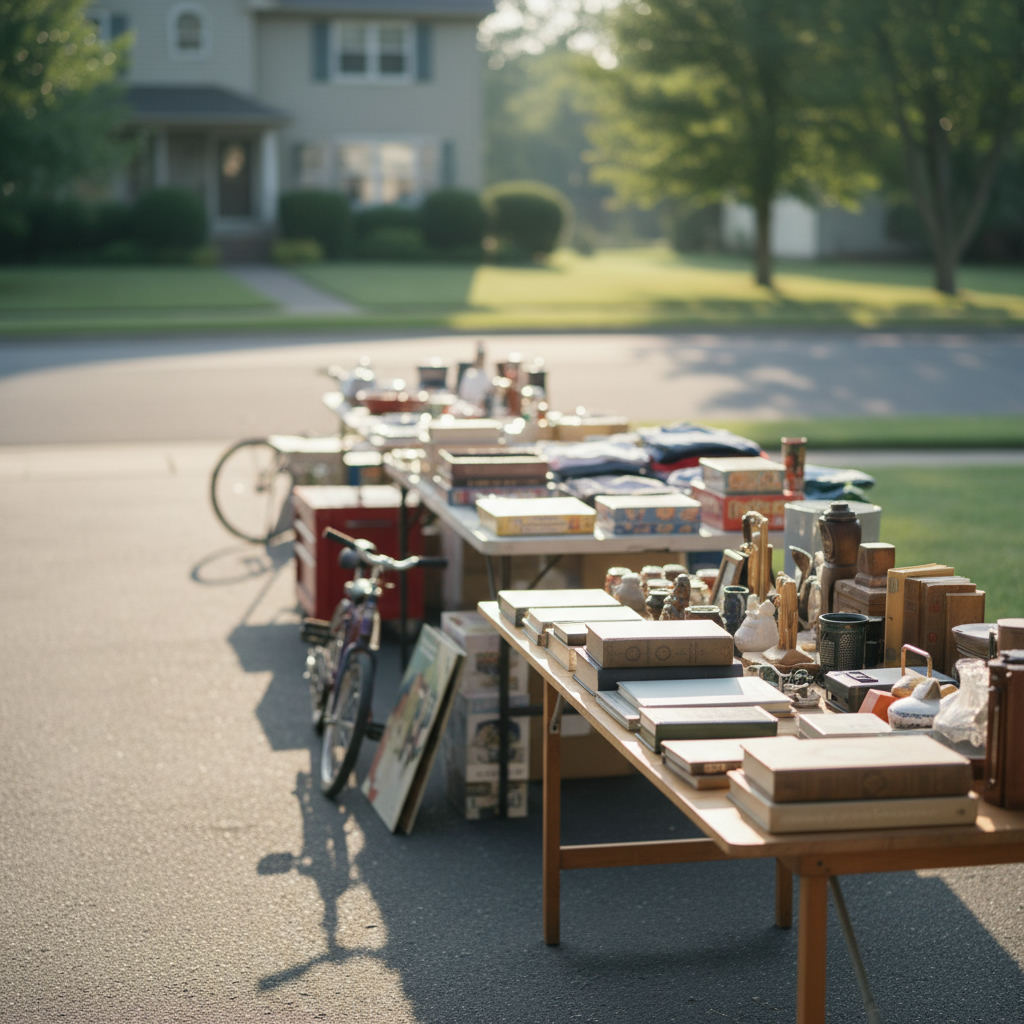
A garage sale flipping guide is your secret weapon to turning hidden treasures into serious cash. It's all about knowing what to buy, how to quickly assess its value, and where to sell it for the best return. I've been doing this for years, and let me tell you, there's no better feeling than finding an item for a few bucks and selling it for a hundred or more!
Related reading: Best Garage Sales Kentucky — Flip Finds Guide 2026 · Best Garage Sales Iowa — Flip Finds Guide 2026 · Best Garage Sales Delaware — Flip Finds Guide 2026
Just last spring, I stumbled upon a garage sale in a quiet suburban neighborhood. Most of the stuff was typical, but tucked away on a dusty table, I spotted an old Polaroid SX-70 camera. The seller wanted $10 for it, thinking it was just a relic. I knew from experience that these could be worth something, especially if in good condition. A quick check on my phone (more on that later!) confirmed my suspicion – sold comps were hovering around $150-$200! I paid the $10, cleaned it up, tested it, and listed it. Within a week, it sold for $175! That's the magic of reselling, and garage sales are a prime hunting ground.
This post will walk you through everything you need to know about becoming a garage sale flipping pro in 2026, from identifying profitable categories to using smart tools to maximize your earnings. Get ready to hunt for those amazing garage sale deals!
Quick answer
The most profitable categories for garage sale flipping are vintage electronics, collectible toys, designer clothing, niche sporting goods, and unique home decor. With smart sourcing and a keen eye for value, resellers can realistically achieve profit margins ranging from 100% to over 1000% on individual items, turning a $5 find into a $50-$200 sale consistently.
Why this is profitable right now
Garage sale flipping remains incredibly profitable in 2026 for several key reasons. First, the ongoing trend of sustainability and secondhand shopping means more people are actively looking for pre-owned items, rather than always buying new. This isn't just about saving money; it's about reducing waste and finding unique, often higher-quality goods that aren't readily available in big box stores. People are more conscious consumers, and that directly translates to a robust market for your finds.
Secondly, the digital marketplace has made it easier than ever to connect sellers with buyers who are specifically looking for what you've found. You're no longer limited to local buyers; your reach is global thanks to platforms like eBay, Poshmark, Mercari, and even TikTok Shop. This broadens your potential customer base immensely, allowing you to sell niche items that might not have a local market. Think about that vintage camera I found – its specific value wasn't immediately obvious to the seller, but there's a community of collectors online who actively seek out such items.
Finally, the sheer volume and variety of items available at garage sales mean endless opportunities. Unlike thrift stores with professional sorters, garage sales are often run by individuals simply trying to clear out clutter. They might not know the true market value of what they're selling, leading to incredible deals that you can snap up for pennies on the dollar">deals that you can snap up for pennies on the dollar. This informational asymmetry is where the profit lies. Plus, with the rising cost of living, more people are holding garage sales to earn extra cash, further increasing the supply of potential flips. It's a perfect storm for savvy resellers like us!
What to look for
When you're out there hitting up yard sales, your goal is to find those hidden gems that sellers don't realize are valuable. It's not about what you like, but what the market demands. Here's a breakdown of categories to focus on, ensuring you're always on the hunt for those lucrative garage sale deals:
Vintage Electronics & Gadgets
- Game Consoles & Video Games: Older Nintendo, Sega, Atari, and even early PlayStation consoles and games can fetch a premium. Look for bundles, rare titles, or complete-in-box sets.
- Audio Equipment: Turntables, vintage receivers, classic speakers (Marantz, Pioneer, Sansui, JBL) are often overlooked.
- Cameras: As my story shows, film cameras (Polaroid, instant cameras, 35mm SLRs), vintage camcorders, and even old lenses can be highly sought after.
Collectibles & Memorabilia
- Toys: Vintage action figures (Star Wars, Transformers, G.I. Joe), LEGO sets (especially complete or rare ones), Barbies, Hot Wheels, and plush toys from popular franchises.
- Sports Memorabilia: Autographed items, vintage jerseys, pennants, and especially sports trading cards. Even ungraded cards can be worth a look.
- Pop Culture Items: Anything from vintage movie posters to comic books, even old McDonald's Happy Meal toys if they're part of a collectible set.
Designer & Vintage Clothing/Accessories
- Brand Names: Keep an eye out for labels like Patagonia, Lululemon, North Face, high-end denim (Levi's vintage), and designer handbags (Coach, Kate Spade, Michael Kors).
- Vintage Fashion: True vintage (20+ years old) clothing in good condition, especially unique pieces, dresses, or outerwear.
- Jewelry: Sterling silver, gold (even broken pieces can be sold for scrap), and unique costume jewelry from specific eras.
Home Goods & Decor
- Mid-Century Modern Furniture: These pieces are hot right now. Look for clean lines, unique wood, and sturdy construction. Even if they need a little love, the bones can be valuable.
- Unique Art & Pottery: Original paintings (signed!), limited edition prints, and handmade pottery from well-known artists or studios.
- Kitchenware: Vintage Pyrex, Le Creuset, CorningWare, and other retro kitchen items can be surprisingly valuable, especially in complete sets or rare patterns.
Always prioritize items in good condition, as they require less prep work and sell faster. However, don't dismiss items that need minor repairs or cleaning – sometimes a little elbow grease can massively boost your profit!
How to spot value quickly
Time is money, especially when you're hitting multiple garage sales on a Saturday morning. You need to be able to assess an item's potential value almost instantly to decide if it's worth a deeper look or a purchase. This skill comes with practice, but here are some strategies to develop your keen eye for profitable garage sale flipping:
- Know Your Brands: Before you even leave the house, have a mental list of desirable brands in different categories (clothing, electronics, home goods). This helps you quickly scan for labels. For instance, spotting a "Lululemon" tag on activewear or "Pyrex" on bakeware should immediately trigger your interest.
- Check for Condition: Quickly inspect for major flaws. Is it ripped, stained, heavily scratched, or missing crucial parts? Minor wear is usually fine, but significant damage will severely impact resale value or make an item unsellable. Don't waste time on clearly broken items unless you're a skilled repair person who knows the cost of parts.
- Look for Original Packaging/Completeness: For electronics, toys, or collectible sets, original boxes, manuals, and all accessories add significant value. A vintage video game console with its original box could sell for 2-3x more than a loose console.
- Gravitate Towards Niche Items: Mass-produced items generally have lower margins. Instead, seek out unique, specialized, or vintage items that might appeal to a collector or enthusiast. Think specific models of tools, limited edition promotional items, or unique antique pieces.
- Feel the Quality: Pick things up. Does a piece of furniture feel solid and well-made? Does a clothing item feel like quality fabric (wool, silk, linen) rather than cheap polyester? Quality often indicates durability and a higher original price point, which can translate to better resale value.
- Trust Your Gut (and Research!): Sometimes an item just *feels* valuable, even if you can't immediately identify why. This is when your smartphone becomes your best friend. Don't be afraid to pull it out and do a quick search. But remember, the faster you can make these judgments, the more sales you can hit in a limited time frame.
By combining these visual and tactile checks with quick mental processing, you'll dramatically improve your efficiency and increase your chances of snagging those incredible yard sale flipping opportunities. This means more great finds and more money in your pocket!
Average profit margins for this category
The beauty of garage sale flipping is the potential for truly spectacular profit margins. Unlike buying wholesale, where your margins might be 20-50%, garage sales offer items at rock-bottom prices, often because the seller simply wants them gone. This creates an enormous gap between your purchase price and the market's perceived value.
On average, I aim for a minimum of a 100% return on my investment, but it's not uncommon to see profit margins of 500% to 1000% or even higher on certain items. Let's break down some real-world examples:
- Vintage Pyrex Bowl Set: Purchased for $5. Sold for $60 on Etsy. After Etsy's 6.5% transaction fee and payment processing fees, plus shipping costs (covered by buyer), your net profit could easily be $45-$50. That's a 900-1000% profit margin!
- Designer Jeans (e.g., Joe's Jeans): Found for $3. Sold on Poshmark for $45. Poshmark takes a 20% commission on sales over $15, so your fee is $9. Net profit: $33. A 1100% profit margin!
- Collectible Action Figure (loose): Bought for $2. Sold on eBay for $35. eBay's final value fee varies by category, but let's estimate 13.25% for collectibles, so about $4.64. Net profit: $28.36. That's a 1400% profit margin!
- Rare Video Game: Picked up for $10. Sold on Mercari for $120. Mercari charges a 10% selling fee plus a processing fee, so total fees might be around $15. Net profit: $95. An 850% profit margin!
These examples illustrate the potential. While not every item will be a home run, consistently hitting these kinds of margins on just a few items a week can quickly add up to significant income, easily an extra $200 to $500 per week for dedicated flippers. The key is volume and smart sourcing, always aiming to buy low and sell high. Your expenses are typically just the purchase price and platform selling fees, so managing those effectively is crucial for maximizing your take-home cash.
Check value before you buy
Okay, so you've spotted something interesting, but how do you know if it's truly a flip-worthy item or just junk? This is where modern technology comes in, and frankly, it's a game-changer for garage sale flipping. You absolutely cannot afford to guess anymore; you need real-time data to make informed decisions and secure those profitable garage sale deals.
I can't stress this enough: always, always check sold prices *before* you open your wallet. There's nothing worse than buying something you *think* is valuable, only to find out later that the market for it is dead. This is exactly why I rely on tools like FlipAI. When I'm at a yard sale, standing in front of a potential gem, I pull out my phone and let FlipAI do the heavy lifting. FlipAI lets you take a photo of any item or scan its barcode to instantly see current eBay asking prices (live listings, not sold prices) plus an AI estimate. No guessing. No Googling. Just point your camera at anything and know what it is actually worth in about 10 seconds. This feature alone is invaluable because it tells you exactly what people are actually paying for similar items, not just what sellers are *asking* for. Seeing actual sold listings is the most reliable indicator of an item's true market value.
With FlipAI, you can quickly assess the profit potential right there on the spot. Is that $5 vintage toy selling for $15? Maybe not worth the effort. But if it's selling for $75? Absolutely! This real-time data helps you decide if an item is a solid flip or if you should pass and save your money for the next treasure. It helps you quickly calculate your potential profit after fees, ensuring every purchase is a smart one. Don't leave your profits to chance; always verify value with actual sold comps.
Where to sell what you find
Once you've snagged those amazing garage sale finds, the next critical step is knowing where to sell them for the best return. Different platforms excel for different types of items, and having a multi-platform strategy is key to maximizing your reach and speeding up sales. This is where cross-listing">cross-listing becomes your best friend!
Key Platforms for Resellers:
- eBay: The undisputed king for collectibles, electronics, vintage items, and anything with a specific niche market. It has the largest global reach. Fees can vary, but generally expect a final value fee around 13.25% for most categories, plus payment processing. (Source: eBay Seller Center)
- Poshmark: Ideal for fashion – clothing, shoes, and accessories, especially designer and vintage pieces. It's a social marketplace, so engagement helps. Poshmark takes a flat 20% commission on sales over $15, or $2.95 for sales under $15. (Source: Poshmark Sell)
- Mercari: A fantastic general marketplace for almost anything, from electronics to home goods and clothing. It's known for its ease of use. Mercari charges a 10% selling fee and a payment processing fee. (Source: Mercari Sell)
- Etsy: Best for true vintage (20+ years old), handmade items, craft supplies, and unique home decor. It caters to a buyer looking for something special. Etsy charges a listing fee, a 6.5% transaction fee, and payment processing fees.
- Facebook Marketplace: Excellent for local sales of larger items like furniture, appliances, or anything you don't want to ship. It's often free for local pick-up, though there are fees for shipped items.
- Amazon: While primarily for new goods, you can sell used books, media, and some collectibles through their Seller Central program. Fees are complex and vary greatly.
- TikTok Shop & Pinterest: Emerging platforms for selling directly through social media. Still evolving but great for certain aesthetics and trends.
To maximize your sales and reduce how long an item sits, don't just pick one platform. List that vintage camera on eBay for the collectors, but also consider Mercari for a broader audience. That designer jacket? Poshmark is a must, but also consider listing it on Depop or Vinted. Using a tool like FlipAI's cross-listing feature means you can create one listing and push it to multiple platforms with minimal extra effort, greatly increasing your chances of a quick sale. This strategy ensures you reach the widest possible audience of buyers looking for what you've found, turning your garage sale flipping into a highly efficient profit-making machine.
Get started
You've got the knowledge, you've seen the potential, and you're armed with the best strategies for a successful garage sale flipping guide experience in 2026. The world of reselling is waiting for you to uncover its treasures, one amazing deal at a time. Remember, consistency is key: set aside time each week to visit sales, refine your eye for value, and list your items promptly. Don't be afraid to start small, learn from your experiences, and grow your inventory over time.
The journey from a $5 find to a $100 profit is incredibly rewarding, not just financially, but in the thrill of the hunt. With tools like FlipAI in your pocket, you're not just guessing; you're making data-driven decisions that lead to real profits. Stop letting those hidden gems pass you by. It's time to transform your weekends into treasure hunts and turn those forgotten items into income. What are you waiting for? The next big flip is just around the corner!
Start your 5-day free trial and flip smarter today.Related reading: Best thrift stores near me — all 50 state guides
Frequently Asked Questions
What items are best to flip from garage sales?
The best items to flip from garage sales include vintage electronics (like game consoles, old cameras, audio equipment), collectible toys (Star Wars figures, LEGO sets), designer clothing and accessories, unique home decor, and niche sporting goods. Look for brands that hold value, items in good condition, and anything that appeals to a specific collector's market. These categories often have a high profit margin because sellers at garage sales frequently underestimate their value.
How do I know if something is worth buying at a garage sale?
To determine if an item is worth buying, you need to quickly assess its resale value. Use a reselling app like FlipAI to take a photo of the item or scan its barcode to instantly see real-time market prices on platforms like eBay, Poshmark, and Mercari. This gives you an accurate idea of what buyers are actually paying. Also, check the item's condition for major flaws and look for original packaging or completeness, as these can significantly impact value.
What are typical profit margins for garage sale flipping?
Typical profit margins for garage sale flipping are excellent, often ranging from 100% to over 1000%. For example, buying a vintage Pyrex set for $5 and selling it for $60 yields a 900-1000% profit. A designer item purchased for $3 and sold for $45 could be an 1100% profit. The key is sourcing items very cheaply, often because the seller doesn't know their market value, allowing for huge markups after platform fees like eBay's 13.25% or Poshmark's 20%.
Where should I sell items I find at garage sales?
The best place to sell items depends on the category. eBay is ideal for collectibles and vintage electronics, Poshmark for fashion, Mercari for a wide range of goods, and Etsy for true vintage and unique home decor. For larger items and local sales, Facebook Marketplace is excellent. Utilizing a cross-listing tool to list your items on multiple platforms simultaneously will broaden your reach and increase your chances of a quick and profitable sale.
How much money can you make from garage sale flipping?
The amount of money you can make from garage sale flipping varies based on dedication and skill, but it can be quite substantial. Many dedicated flippers can consistently earn an extra $200 to $500 per week, or even more, by consistently sourcing profitable items and efficiently listing them. The low acquisition cost of items at garage sales, combined with high resale value on online marketplaces, creates a strong income stream for savvy resellers.