Rummage Sales Near Me — How to Find the Best Ones in 2026
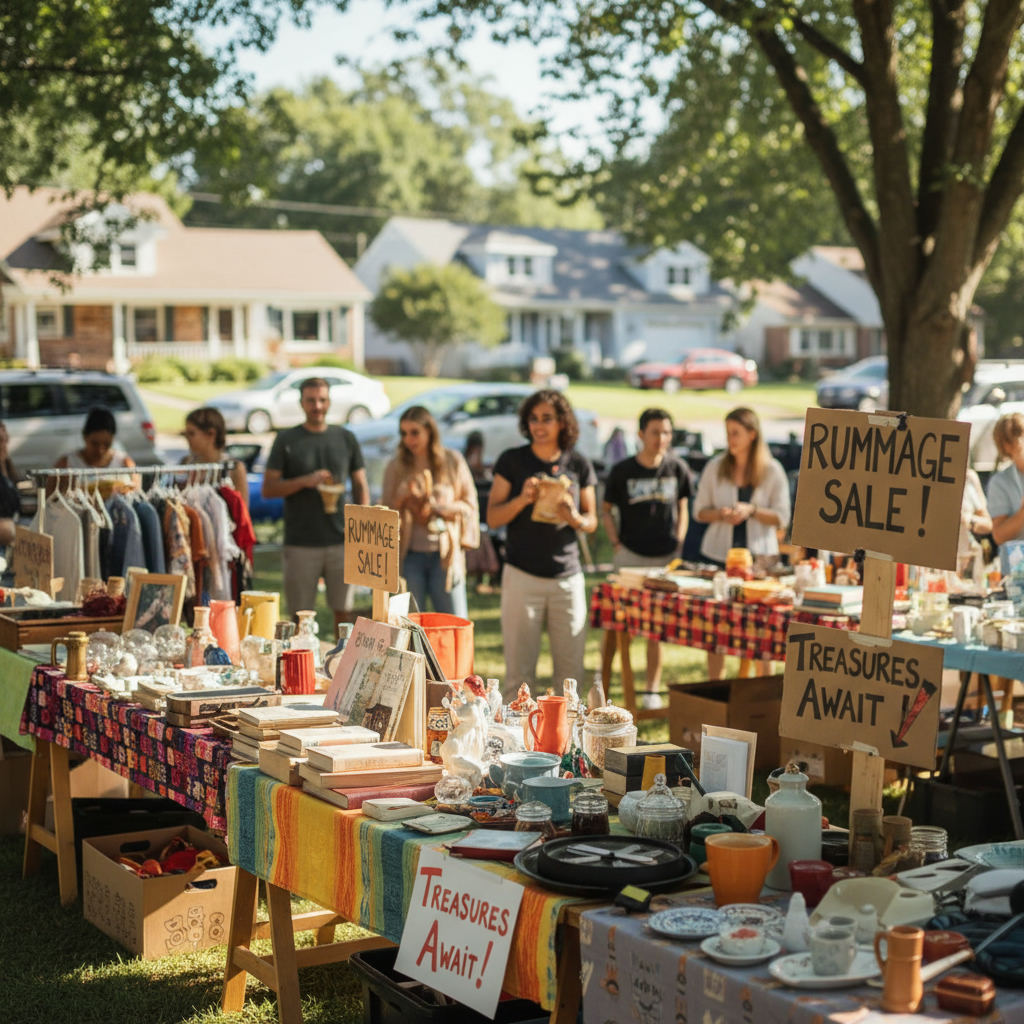
If you're asking 'where are the best rummage sales near me?' for 2026, you've hit the jackpot! Rummage sales are treasure troves for resellers, and I'm here to tell you exactly how to unearth those profitable gems. Just last month, I stumbled upon a church rummage sale that was practically overflowing with vintage board games. I found a sealed copy of a rare 1980s game for just $5. A quick check on FlipAI showed me it had sold for over $150 consistently on eBay! That single find more than paid for my entire weekend's sourcing. That's the power of knowing where to look and, more importantly, how to value what you find. In this post, I'll walk you through my best strategies for finding top-notch rummage sales, how to spot profitable items, and the best platforms to sell them on to make serious cash.
Related reading: How to Find Rummage Sales Near You in 2026 · Best Garage Sales Kentucky — Flip Finds Guide 2026 · Estate Sales Oklahoma — Flipping Picker Guide 2026
We'll cover everything from local listings to advanced pricing strategies, ensuring you’re well-equipped to turn those dusty finds into dazzling dollars. Getting started in reselling can feel overwhelming, but with the right tools and knowledge, anyone can build a thriving side hustle. Finding items at rummage sales and flipping them online is one of the most accessible entry points into the reselling world. You don't need a huge upfront investment; just a keen eye and a bit of persistence. We'll explore why these community-driven sales are often better than regular thrift stores for discovering unique inventory, and how you can prepare to make the most of every visit.
Quick Answer: Top 3 Platforms to Sell Your Rummage Sale Finds
After you’ve scored those amazing deals at the rummage sales near me today, the next crucial step is knowing where to sell them for maximum profit. The top three platforms for selling your rummage sale treasures, in my opinion, are eBay, Poshmark, and Mercari. Each has its own strengths, audience, and fee structure, making them suitable for different types of items. Mastering these platforms is key to a successful reselling business.
eBay is king for sheer variety. If you found anything from vintage electronics to collectible toys or unique home goods, eBay is likely your best bet. Its global reach and auction format can drive prices up for rare items, while its fixed-price listings work well for more common goods. You can reach millions of buyers who are specifically looking for unique and pre-owned items. The competition can be stiff, but with good photos and descriptions, you can stand out.
Poshmark excels for fashion – clothing, shoes, accessories. If you snagged some brand-name apparel or vintage clothing at a rummage sale, Poshmark's social shopping experience and engaged community are perfect. Buyers on Poshmark are often looking for specific brands and are willing to pay for quality pre-loved items. It's also incredibly user-friendly for listing, making it a great option for those who are new to reselling.
Mercari is a fantastic all-rounder, great for a wide range of items from electronics to home decor, and even some fashion. It's often described as a hybrid between eBay and Poshmark, offering a straightforward listing process and a broad buyer base. Mercari is particularly good for smaller items that are easy to ship and have a clear market value. Its simple fee structure makes it attractive for beginners.
Choosing the right platform depends heavily on the item itself. Don't be afraid to cross-list items on multiple platforms to reach a wider audience and increase your chances of a quick sale. Tools like FlipAI can help you manage these listings efficiently, streamlining your process and saving you valuable time. Understanding the nuances of each marketplace will empower you to make informed decisions and optimize your sales strategy, ensuring those rummage sale finds don't just sit around, but turn into profit.
Platform-by-Platform Breakdown: Fees and Audience for Each in 2026
Now that you have a general idea of the top places to sell, let's dive a bit deeper into the specifics of each platform. Knowing the fees, the typical audience, and the types of items that perform best on each site is crucial for maximizing your profits from those excellent rummage sales near me finds. Every dollar saved on fees is a dollar in your pocket, and reaching the right buyer means a faster sale at a better price.
eBay: The Global Marketplace
eBay is still the reigning champion for variety and reach. Its audience is vast and diverse, ranging from casual shoppers to serious collectors looking for specific, rare items. This makes it an ideal platform for those unique, sometimes quirky, items you might pick up at local rummage sales or church rummage sales near me.
- Audience: Global, incredibly broad, includes collectors, bargain hunters, and specific niche buyers. Best for unique, vintage, collectible, electronics, and specialty items.
- Fees: eBay's fee structure can be a bit complex, but generally, sellers pay an Insertion Fee (often waived for a certain number of listings per month) and a Final Value Fee. The Final Value Fee is typically a percentage of the total sale price (item price + shipping + any other charges), plus a fixed $0.30 per order. For most categories, this fee is around 13.25%, though it can vary. For example, some electronics categories might be lower, while categories like Musical Instruments or heavy equipment might have different rates. It's essential to check eBay's current fee schedule for precise numbers.
- Pro-Tip: Use the auction format for rare items or those with high demand to potentially drive up the price. For more common items, fixed-price 'Buy It Now' listings are often more effective. Always offer multiple shipping options to cater to different buyer preferences.
Poshmark: Fashion Forward
Poshmark is your go-to if your rummage sale haul includes clothing, shoes, or accessories. The platform fosters a strong community aspect, with users actively sharing and promoting listings, creating a social shopping experience that's unique. If you've found some designer jeans or vintage jackets, Poshmark is where they'll shine.
- Audience: Primarily focused on fashion (clothing, shoes, accessories), beauty products, and some home goods. Buyers are often brand-conscious and looking for good deals on pre-owned items.
- Fees: Poshmark has a very straightforward fee structure. For sales under $15, they take a flat commission of $2.95. For sales of $15 or more, the commission is 20% of the final sale price. This includes shipping, which is usually paid by the buyer through a flat-rate label provided by Poshmark.
- Pro-Tip: Engage with the community by sharing other users' listings and participating in 'Posh Parties.' Good lighting and clear photos are absolutely critical for fashion items. Bundle items to save on shipping for buyers and increase your average sale value.
Mercari: The Everyday Seller's Friend
Mercari offers a balanced approach, allowing you to sell almost anything, similar to eBay but with a slightly simpler interface and often a more casual buying/selling experience. It's excellent for those miscellaneous finds from rummage sales near me that don't quite fit into the fashion-heavy Poshmark or the ultra-broad eBay categories.
- Audience: General consumer goods, electronics, home items, fashion, collectibles, and more. Appeals to buyers looking for a good deal on a wide variety of items.
- Fees: Mercari charges a 10% selling fee on the final sale price. Additionally, there's a processing fee of 2.9% + $0.50 of the transaction amount. Shipping can be handled by the seller or paid for by the buyer.
- Pro-Tip: Mercari often works well for items in the $20-$100 range. Detailed descriptions and multiple high-quality photos are important. Be ready to negotiate, as Mercari buyers love to send offers.
Etsy: For the Crafts and Vintage Lover
If you find truly unique, handmade, or vintage items (over 20 years old) at rummage sales, Etsy is your niche. Its audience is specifically looking for items with character and craftsmanship.
- Audience: Crafters, artists, vintage enthusiasts, and buyers seeking unique, handmade, or personalized goods.
- Fees: $0.20 listing fee (for four months or until sold), 6.5% transaction fee, 3% + $0.25 payment processing fee.
- Pro-Tip: Focus on high-quality photography that showcases the item's unique qualities. Use relevant tags and a compelling story for vintage pieces.
Facebook Marketplace: Local and No Fees (Mostly)
For larger items you picked up at those local rummage sales or church rummage sales near me that are difficult or expensive to ship, or for quick local sales, Facebook Marketplace is an invaluable tool.
- Audience: Local buyers, often looking for household items, furniture, electronics, and baby gear.
- Fees: No fees for local pickup transactions. For shipped items, Facebook charges a 5% selling fee (or a flat $0.40 for items $8.00 or less).
- Pro-Tip: Always meet in a public, well-lit place. Be responsive to messages. Group your listings in bundles for better visibility.
Understanding these fee structures and audience demographics is paramount for making smart decisions about where to list your finds from rummage sales near me. Don't be afraid to experiment, and always calculate your potential profit margin before investing too much time and effort into an item.
How to Know What Your Item is Worth Before You List
Alright, so you've hit up some awesome rummage sales near me, scored some cool stuff, and now you're wondering, "What's this thing actually worth?" This is where many new resellers stumble, and it's absolutely crucial to get right. Pricing an item correctly is the difference between a quick, profitable sale and an item gathering dust in your inventory. Undersell it, and you lose profit. Oversell it, and it won't sell at all. The secret? Research, research, research! I can't stress this enough – never guess. Always check actual sold prices, not just active listings.
Here’s my step-by-step process for figuring out an item's true market value:
- Identify the Item Clearly: Before you even think about pricing, you need to know exactly what you have. Look for brand names, model numbers, manufacturing dates, unique identifiers, and any distinguishing features. The more specific you can be, the better your research will be. For example, 'vintage lamp' isn't enough. Is it a '1970s Mid-Century Modern Laurel mushroom lamp'? That level of detail matters.
- Search for Sold Listings: This is the golden rule of reselling. You don't want to see what people are asking for an item; you want to see what people have paid for it. Head to eBay and filter your search results to 'Sold Items.' This will show you the real-world transaction history. Do the same on Poshmark and Mercari – both platforms allow you to see completed sales. Look for items in similar condition to yours. Is it new with tags (NWT), excellent used condition (EUC), or does it have flaws?
- Consider Condition: Condition plays a massive role in pricing. A mint-condition collectible will sell for significantly more than one with wear and tear. Be honest with yourself and potential buyers about any imperfections. Take detailed photos of any flaws so there are no surprises.
- Factor in Rarity and Demand: Is your item a one-of-a-kind antique or a mass-produced item? High demand for a rare item can command a premium price. Conversely, a common item, even in good condition, might have a lower ceiling due to market saturation. Keep an eye on trends – what's popular now might be a hot seller.
- Check Multiple Platforms: Don't just rely on one source. An item might sell for more on eBay than on Mercari, or a specific brand of clothing might fetch a higher price on Poshmark. Cross-referencing across platforms gives you a more accurate picture of the overall market value. This is where a tool like FlipAI really shines, as it aggregates this data for you instantly.
- Calculate Shipping Costs: For larger or heavier items, shipping can eat into your profits significantly. Always estimate shipping costs when researching value. If an item sells for $50 but costs $20 to ship, your profit margin shrinks dramatically. Some platforms like Poshmark simplify shipping, but for others like eBay or Mercari, you'll need to weigh and measure.
- Don't Forget Fees: As we discussed, every platform charges fees. You need to subtract these from your potential sale price to get your actual profit. This is why having a clear understanding of platform fees is so important.
By following these steps, you'll move from guessing to knowing, which is a powerful position to be in as a reseller. This diligent research ensures you price competitively, attract buyers, and, most importantly, make a healthy profit from those fantastic finds you pick up at the rummage sales near me.
How FlipAI Prices Anything Instantly
As a reseller, time is money, and spending hours researching every single item you find at rummage sales near me can quickly become a bottleneck. This is where FlipAI becomes your ultimate secret weapon. I used to spend so much time on my phone, bouncing between eBay, Poshmark, and Mercari, trying to figure out if something was a good flip. It was exhausting, especially when I was trying to sift through mountains of stuff at a bustling local rummage sale.
Then I discovered FlipAI, and it completely changed my sourcing game. Imagine being at a church rummage sale, holding a potential treasure, and knowing its value in seconds. That's exactly what FlipAI delivers. FlipAI lets you take a photo of any item or scan its barcode to instantly see current eBay asking prices (live listings, not sold prices) plus an AI estimate. No guessing. No Googling. Just point your camera at anything and know what it is actually worth in about 10 seconds.
This isn't just about speed; it's about accuracy and confidence. When you're standing in front of a box of forgotten items, you need to make quick, informed decisions. Is that vintage toy worth the $2 asking price? Will that brand-name jacket actually sell for enough to justify the effort? FlipAI’s AI vision technology can identify obscure items, even without a barcode, by recognizing patterns, logos, and features in your photo. It then pulls up relevant sold listings, giving you a clear picture of its market value across multiple platforms.
Beyond just pricing, FlipAI also features a built-in profit calculator" target="_blank" rel="noopener noreferrer">profit calculator. This means you can input your purchase price and the platform fees, and it will immediately show you your potential profit margin. No more mental math or scribbling on a notepad – it's all right there. This feature is a game-changer for evaluating potential flips on the spot, ensuring every item you pick up has a strong profit potential. The ability to quickly assess profit keeps me focused on the best deals, preventing me from buying items that look good but don't have enough margin to be worth my time.
Having all this data at your fingertips while you're still on the hunt means you can be much more strategic with your purchases. You'll avoid buying duds and focus on high-profit items, turning your trips to rummage sales near me into consistently successful sourcing adventures. It’s an essential tool for any reseller looking to streamline their process and make smarter buying decisions.
Pro Tips for Getting More Money for Your Rummage Sale Flips
You've successfully navigated the rummage sales near me, scored some incredible items, and now you're ready to list. But simply listing isn't enough if you want to maximize your profit. There are several pro tips I've learned over the years that can significantly increase your selling price and speed up your sales. These strategies go beyond basic listing and truly elevate your reselling game.
1. Master the Art of Photography
This might be the single most important tip. Online shoppers can't physically touch or inspect your item, so your photos are their only window into what they're buying. Poor photos are a huge turn-off. Invest in good lighting (natural light is often best), a clean, clutter-free background, and take multiple angles. Show the front, back, sides, tags, any unique features, and especially any flaws. For clothing, a mannequin or a flat lay can make a huge difference. High-quality, clear, and well-lit photos build trust and make your item more appealing.
2. Write Compelling, Keyword-Rich Descriptions
Your title and description are how buyers find your item. Use relevant keywords that people would actually search for. Don't just say 'Blue Dress'; say 'Vintage 90s Ralph Lauren Navy Blue Linen Midi Dress Size Medium.' Be descriptive about the item's condition, measurements, material, and any unique features. Tell a story if it's a vintage piece. Be honest about any wear or imperfections – transparency builds trust and avoids returns.
3. Cross-List, Cross-List, Cross-List!
Why limit yourself to one platform? As we discussed earlier, different platforms attract different buyers. Listing your item on eBay, Poshmark, and Mercari (or even Facebook Marketplace for local pickup) exponentially increases your item's visibility. Tools that support multi-platform listing" target="_blank" rel="noopener noreferrer">multi-platform listing are incredibly helpful for managing this efficiently, saving you tons of time. Just remember to delist quickly once an item sells on one platform!
4. Optimize Your Shipping Strategy
Shipping can be a profit killer or a profit booster. Offer competitive shipping rates, and always factor shipping costs into your pricing strategy. For heavier items, consider local pickup. For lighter items, research the cheapest methods. Poshmark's flat-rate shipping is great for clothes, but for other items, calculated shipping on eBay can save you money. Always pack items securely to prevent damage and consider using recycled packing materials to keep costs down and be more eco-friendly. Fast shipping also leads to happier buyers and better reviews.
5. Provide Excellent Customer Service
Respond to buyer inquiries promptly and politely. Be open to reasonable offers (especially on platforms like Mercari and Poshmark). If there's an issue, handle it professionally. Happy buyers leave positive feedback, which in turn attracts more buyers to your listings. A strong seller reputation is invaluable in the reselling world and can lead to repeat business. Word of mouth and positive reviews are powerful.
6. Understand Timing and Trends
Some items sell better at certain times of the year. Winter coats sell in the fall, swimwear in the spring. Pay attention to seasons, holidays, and current trends. If you picked up some sports cards at a local rummage sale, for example, listing them when a player is performing well can drive demand. Keep an eye on popular culture, fashion trends, and collectible markets. Being timely with your listings can significantly impact how quickly an item sells and for what price. For example, if you snag a vintage concert t-shirt, listing it around the time that band goes on tour can spark interest. If you’re sourcing sports cards" target="_blank" rel="noopener noreferrer">sports cards, keeping up with player performance is key.
7. Be Open to Negotiation (Within Reason)
Especially on platforms like Poshmark and Mercari, buyers expect to negotiate. Set your price a little higher than your absolute minimum to give yourself some wiggle room. However, know your bottom line and don't be afraid to decline offers that are too low. Your profit margin is important, and you shouldn't feel pressured to sell at a loss. Remember, it's a business, and you deserve to be compensated for your time and effort.
By implementing these pro tips, you'll not only sell your items faster but also command higher prices, ultimately leading to more profit from your rummage sale adventures. It's all about presenting your items in the best possible light and providing a smooth transaction experience for your buyers.
Get Started: Your 2026 Rummage Sale Reselling Journey Begins Now!
There you have it, my fellow flippers! The world of rummage sales near me is brimming with untapped potential, just waiting for savvy resellers like us to uncover. From my own lucky find of a vintage board game to countless other treasures, these community events, including local rummage sales and church rummage sales near me, are consistently fertile ground for profitable inventory. You've learned how to find the best sales, which platforms are ideal for selling different types of items (complete with fee breakdowns and audience insights!), and most importantly, how to accurately price your finds using reliable sold data. Remember, the key to success is careful research, strategic listing, and excellent customer service.
Don't let the thought of starting overwhelm you. Begin small, focusing on items you know and are passionate about. As you gain experience, you'll develop a keen eye for value and a knack for spotting those hidden gems. The reselling journey is incredibly rewarding, offering the flexibility to be your own boss and the thrill of turning forgotten items into profit. Imagine the satisfaction of transforming a $5 rummage sale find into a $100 sale!
And to make your journey even smoother and more profitable, don't forget about your ultimate reselling companion: FlipAI. It takes the guesswork out of pricing and streamlines your workflow, allowing you to focus on what you do best – finding amazing items. Knowing exactly what an item is worth in seconds empowers you to make smart buying decisions and ensures you never leave profit on the table. So, grab your sourcing bags, charge your phone, and get ready to hit those rummage sales in 2026. Happy flipping, and may your profits be plentiful!
Join thousands of resellers already using FlipAIFrequently Asked Questions
How do I find rummage sales near me?
To find rummage sales near you, especially local rummage sales and church rummage sales near me, start by checking local community newspapers, church bulletins, and community center websites. Online platforms like Craigslist, Facebook Marketplace, and local Facebook groups often list upcoming sales. Websites like GarageSaleFinder.com or YardSales.net are also excellent resources. Driving around on a Saturday morning in residential areas can also yield 'pop-up' sales. Planning ahead and looking at listings for 2026 can give you a head start.
What kind of items sell best from rummage sales?
The best items to flip from rummage sales are often those with a recognizable brand name, vintage appeal, or collectible value. This includes vintage clothing and accessories, retro electronics, collectible toys and games (especially sealed or in good condition), unique home decor, small furniture, and certain brands of kitchenware. Look for items in good condition that are easy to clean or repair, and always check for potential value using a tool like FlipAI before buying.
Are rummage sales better than thrift stores for reselling?
Rummage sales can often be better than thrift stores for reselling because items are typically priced lower and you have a better chance of finding unique, untouched inventory. Thrift stores have professional buyers and often price items based on perceived value. Rummage sales, especially church rummage sales, are often run by volunteers who may not be aware of an item's true resale value, leading to incredible bargains. They're also less picked over than many popular thrift chains.
How do I determine the value of an item from a rummage sale?
To determine an item's value, always search for 'sold' listings on platforms like eBay, Poshmark, and Mercari, not just active listings. This shows what buyers have actually paid. Tools like FlipAI are invaluable; you can take a photo or scan a barcode to instantly see real-time market prices across multiple platforms. Consider the item's condition, rarity, brand, and current demand. Factor in potential shipping costs and selling fees to calculate your actual profit margin.
What's the best way to get a good deal at a rummage sale?
To get the best deals at rummage sales, arrive early for the best selection, but also consider showing up towards the end when sellers are more inclined to negotiate and clear out remaining inventory. Always be polite and friendly when haggling. Bundling items (e.g., 'I'll take these three for a flat price') can often lead to better discounts. Cash is king at these sales, so come prepared with small bills. Don't be afraid to ask if they have more items in the back or if there's a 'fill a bag' special.